How to Buy a Used Car: Complete Inspection Checklist 2026
Don’t Get Stuck With a Lemon – Follow This Expert Checklist to Buy Your Used Car with Complete Confidence
Buying a used car can save you thousands of dollars, but only if you know what to look for. It’s not just about kicking the tires and checking the price tag. You need to dig deeper.
Here’s the reality: buyers who skip proper inspections often spend $1,000 to $3,000 on surprise repairs within the first year. That’s money you could save with some simple checks upfront. Think of this checklist as your protection against getting a lemon.
Why You Need a Pre-Purchase Inspection
A good inspection helps you spot hidden problems before they become your problems. Maybe the previous owner was in an accident and did a quick paint job. Or the engine’s been leaking oil for months. You won’t know unless you check carefully.
Essential Steps for Inspecting a Used Car
Follow these steps in order, and you’ll have a much better chance of driving home happy. Let’s walk through each one.
1. Get the Vehicle History Report
This is your first move. Before anything else, get a report from CARFAX or AutoCheck. It shows you previous accidents, title problems, flood damage, and odometer issues. Always check that the VIN on the car matches the VIN on the title and report. If they don’t match, walk away right there.
2. Check the Exterior
Walk around the car in good daylight. Look for dents, scratches, rust, and paint that doesn’t match. Different paint colors usually mean accident repairs. Open all the doors, hood, and trunk. Are the gaps even? Uneven gaps mean collision damage. Check the tires too. Look at the tread and make sure it wears evenly. Uneven wear means alignment or suspension problems.
3. Look Under the Hood
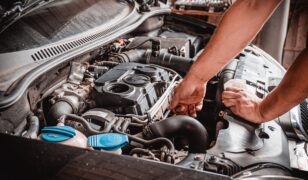
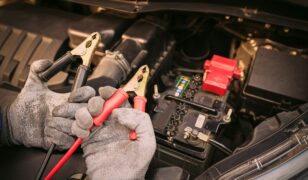
Pop the hood and check for leaks, cracked belts, crusty battery connections, and worn hoses. The oil should be a clean golden or brownish color, not dark. Transmission fluid should be red or pink, never dark or burnt smelling. Check the coolant level. Also look for parts that seem freshly painted or replaced. Sellers sometimes cover up problems with quick fixes.
4. Check the Interior
Get inside and test everything. Air conditioning, heater, windows, radio, all of it. Smell anything weird? Musty or moldy smells can mean flood damage. Look at the seats and carpet for rips, stains, and wear. If the driver’s seat looks really worn but the odometer shows low miles, something’s off. Compare the odometer reading with service records and the history report.
5. Take a Real Test Drive
This is where problems show up. Drive on different roads. Highway, side streets, and bumpy roads too. Listen for strange noises from the engine or transmission. Hit the brakes hard. They should stop smoothly without grinding or shaking. Does the steering pull to one side? Speed up and slow down to check if the transmission shifts right.
6. Get a Mechanic to Check It
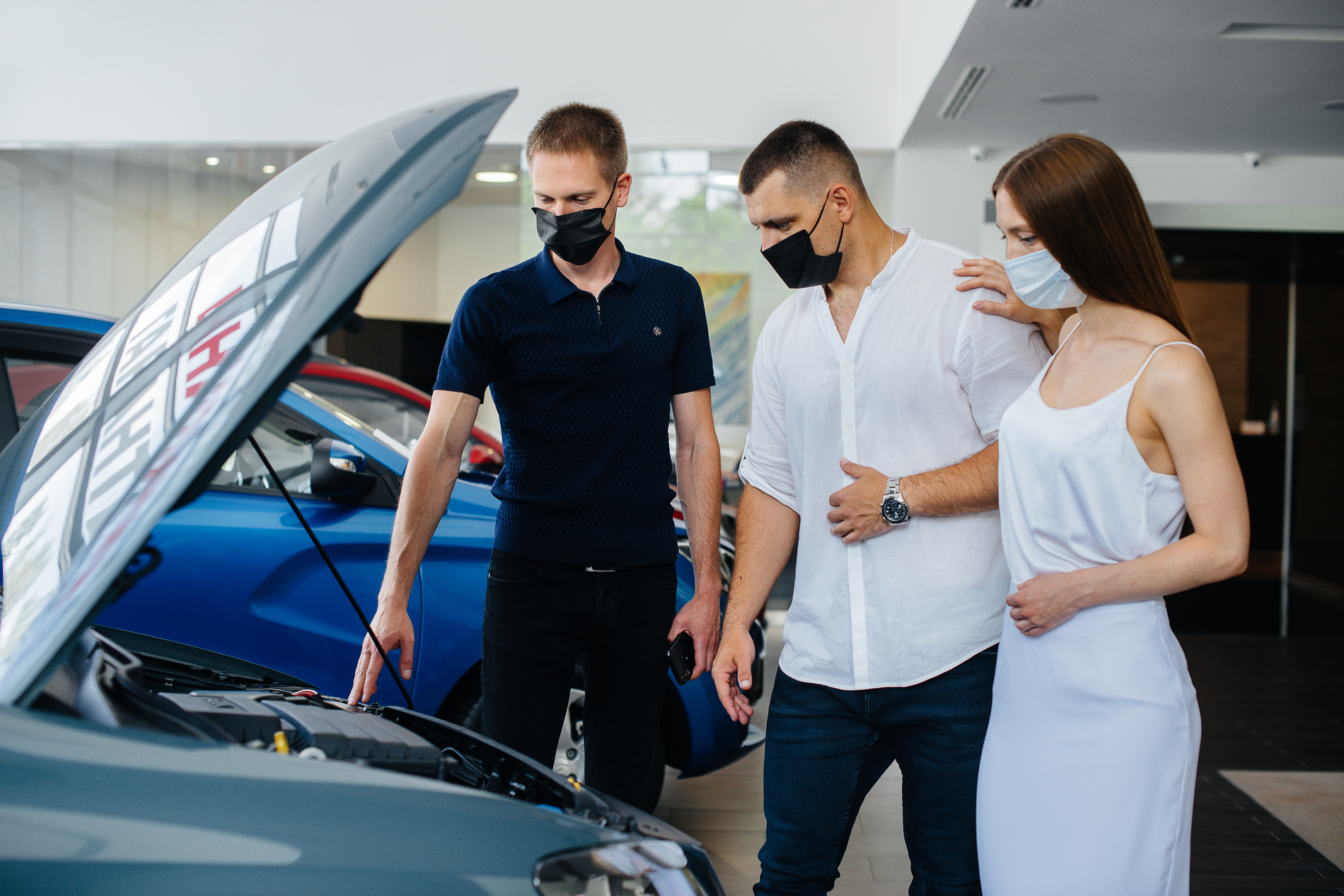
Even if everything seems fine, pay a mechanic $100 to $200 for an inspection. This is the best money you’ll spend. Mechanics can lift the car and check things you can’t see, like the frame and suspension. They run tests that find hidden problems. This little expense can prevent huge repair bills down the road.
Before You Buy
Make sure the title is clean with no salvage stamps. Check that there are no liens on the car. Get copies of maintenance records if you can. Understand any warranty that comes with it. If repairs are needed, the price should be lower.
How to Negotiate
Use your inspection findings to get a better price. Found worn brakes or a leak? Get repair estimates and show the seller. Ask them to fix it or lower the price. Stay calm and factual. And don’t be afraid to walk away if something feels wrong.
Final Remarks
Buying a used car is easy when you follow these steps. Take your time. Do the checks. Never skip the mechanic’s inspection, even if the car looks perfect. Sometimes walking away from a bad deal is the smartest choice. With this checklist, you’re ready to find a reliable car that won’t give you headaches or empty your wallet.