How to Diagnose Car Battery Problems vs. Alternator Issues
There’s nothing worse than turning your key and hearing… nothing. Maybe you get a weak clicking sound. Maybe just silence. Either way, you’re not going anywhere, and you need to figure out what’s wrong.
Here’s the thing. Most people immediately blame the battery. And sometimes they’re right. But other times, the alternator is actually the problem. If you replace the wrong part, you’re wasting money and you’ll be stuck again soon.
Let’s figure out which one is causing your headache.
How Your Battery and Alternator Work
Think of your battery like the kick that gets your car going. When you turn the key, the battery sends a big jolt of electricity to fire up the engine. It also keeps your radio, lights, and other electronics running when the engine is off.
Once your car is running, the alternator takes over the heavy lifting. It recharges your battery while also powering everything in your car. Your headlights, heating, power windows, dashboard, all of it. The alternator keeps everything running smoothly while you drive.
Here’s where it gets tricky. When one of these parts fails, they can show really similar symptoms. That’s why people get confused.
Your Battery Might Be Dead If You Notice These Things
Let’s start with battery problems. They’re usually easier to spot.
Slow cranking engine: You turn the key and the engine turns over really slowly. It sounds like “rurr… rurr… rurr” instead of the normal quick start. Or you might just hear clicking sounds.
Dim lights: Your headlights look weak. Dashboard lights seem dimmer than usual. Interior lights barely glow. This happens because the battery can’t supply enough power anymore.
It’s old: Most batteries only last about 3 to 5 years. Check when yours was last replaced. If it’s been 4 or 5 years, age is probably catching up with it.
Crusty terminals: Pop your hood and look at the battery. See white, blue, or greenish powder around the metal connections? That’s corrosion, and it stops electricity from flowing properly.
Weird shape or smell: If your battery case looks swollen or bulging, that’s bad news. And if you smell rotten eggs near it, the battery is leaking acid. Get it replaced right away.
Signs Your Alternator Is Failing
Alternator problems can look like battery problems at first. But there are some key differences.
Battery light comes on: See that little red battery icon on your dashboard? If it lights up while you’re driving, your alternator probably isn’t charging the battery properly.
Car starts then dies immediately: This is a big clue. Your battery has enough juice to start the engine, but without the alternator working, the engine can’t keep running. It just dies right away.
Electrical weirdness: Your power windows move super slowly. The radio cuts out randomly. Heated seats don’t warm up. Your headlights dim and brighten as you drive. All of this points to the alternator not supplying steady power.
You keep replacing batteries: You put in a new battery, but it dies again in a week or two. That’s classic alternator failure. The alternator isn’t recharging the battery, so it keeps draining.
Strange noises: Hear squealing, whining, or grinding sounds from under the hood? The alternator belt might be worn out or the alternator itself is failing.
Burning smell: Smells like burning rubber near the engine? Your alternator belt is probably slipping or overheating.
Easy Tests You Can Do Yourself
You don’t need to be a mechanic to diagnose these problems. Here are some simple tests that anyone can do at home with basic tools.
The Jump Start Test
This is the quickest way to figure out what’s wrong.
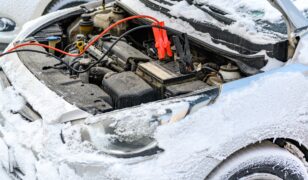
First, jump start your car using another vehicle. Let it run for a couple minutes. Then disconnect the jumper cables while your engine is still running.
What happens next tells you everything. If your engine dies immediately, your alternator is shot. It can’t keep the car running on its own. But if the engine keeps running fine, your battery is probably the problem.
Check the Voltage
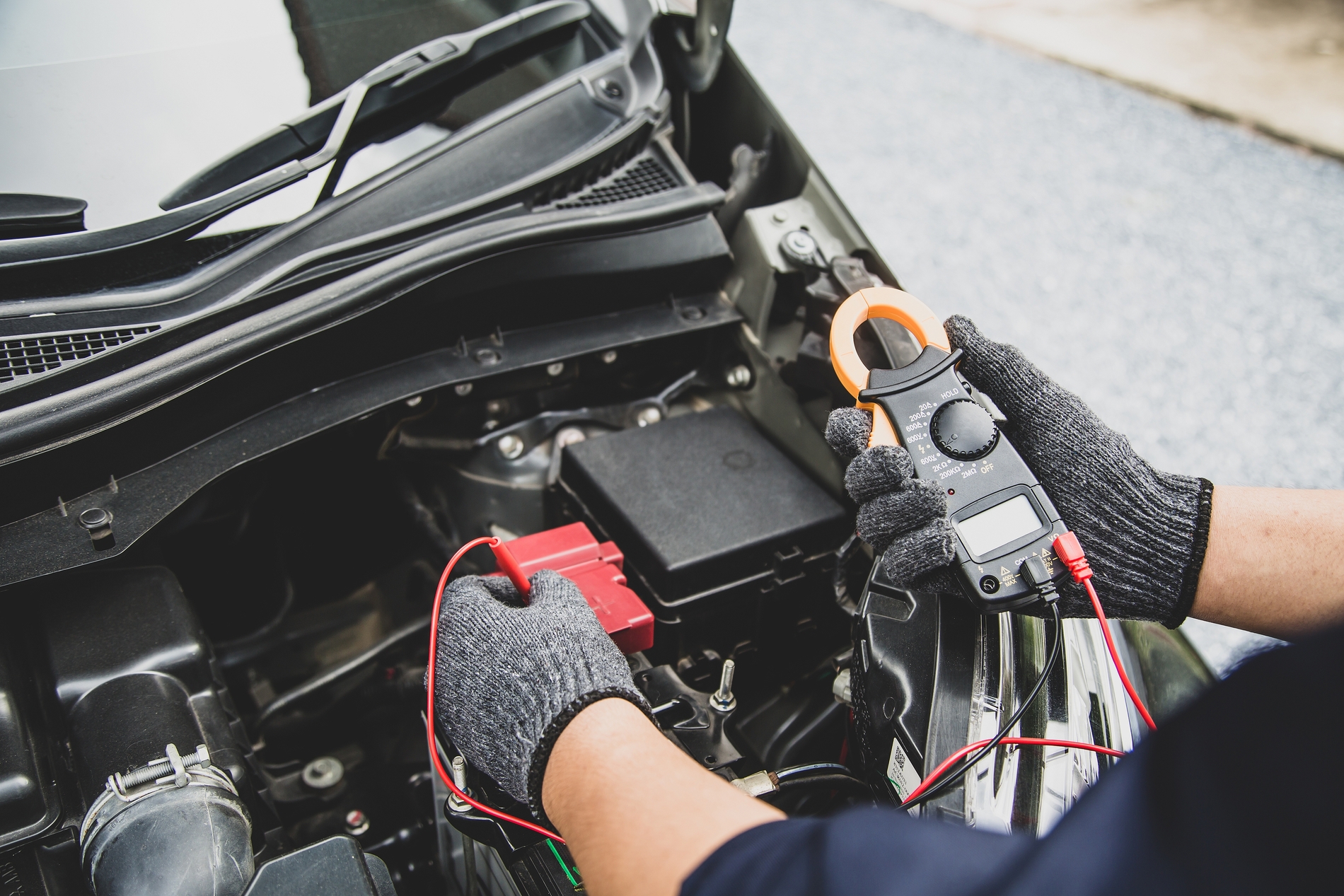
You can buy a cheap multimeter at any auto parts store for around ten bucks. It’s super easy to use.
With the engine off, touch the multimeter probes to your battery terminals. A healthy battery should show about 12.6 volts. Anything below 12 volts means your battery is weak.
Now start your engine and check again. The reading should jump up to somewhere between 13.8 and 14.5 volts. That shows your alternator is working and charging the battery. If the voltage stays around 12 volts or doesn’t go up much, your alternator isn’t doing its job.
Look Around
Sometimes you can spot problems just by looking.
Check your battery terminals. Are they loose? Covered in crusty buildup? Clean or tighten them if needed.
Look at the alternator belt. You’ll see it running from your engine to the alternator. Does it have cracks? Look worn or frayed? A bad belt can cause alternator problems.
Check the battery case itself. Any cracks, bulging, or leaks mean you need a new battery ASAP.
Wait, Could It Be Something Else?
Sometimes it’s neither the battery nor the alternator. Something else might be draining your battery when the car is off. This is called parasitic drain.
Common causes include interior lights that won’t turn off because of a bad door switch. Or aftermarket stereos and alarms that draw too much power. Sometimes there’s an electrical short somewhere in the wiring.
If you’ve tested both the battery and alternator and they seem fine, but your battery keeps dying overnight, you might have a parasitic drain problem. A mechanic can test for this.
So When Should You Replace What?
Replace your battery if it’s more than 4 years old, fails the voltage test, looks damaged, or keeps dying even after you recharge it.
Replace your alternator if the voltage test shows it’s not charging (staying at 12 volts or less when running), if a brand new battery keeps dying, or if you hear grinding noises from the alternator area.
Don’t Ignore the Warning Signs
The key is catching problems early. Don’t wait until you’re completely stranded. If your lights are dimming, your engine is cranking slowly, or that battery light comes on, get it checked out.
Most auto parts stores will test your battery and alternator for free. It takes about ten minutes. Way better than guessing and buying the wrong part.
A little prevention goes a long way too. Keep those battery terminals clean. Check your belts once in a while. And if your battery is getting old, consider replacing it before it leaves you stuck somewhere inconvenient.
Now you know how to tell the difference. No more guessing, no more wasted money on the wrong repairs.