How to Check and Change Your Car’s Engine Oil in 10 Simple Steps
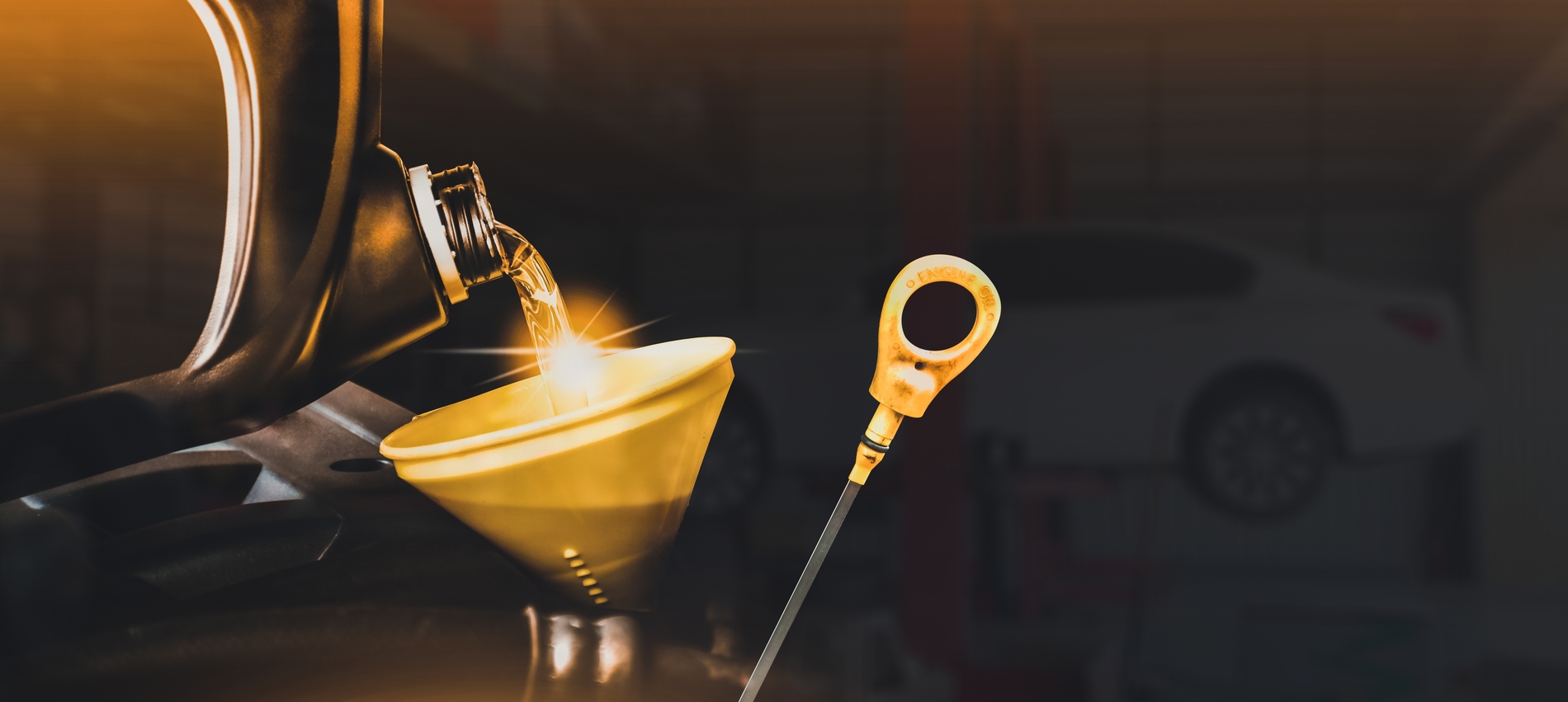
Your car’s engine oil works like its lifeline. It keeps all the moving parts smooth, clean, and cool. But with time, that oil collects dirt and loses its power to protect the engine. If you don’t change it, the engine has to work harder, which means poor performance and more fuel use. Changing the oil regularly keeps your engine healthy and helps your car last longer. It’s one of the simplest and cheapest ways to avoid major repairs.
What Happens If You Don’t Change Your Engine Oil
If you keep driving with old oil, your car will eventually let you know, and not in a good way. Dirty oil becomes thick and sticky, which makes it hard for the engine parts to move freely. This creates more heat and friction. Over time, the engine can get damaged or even stop working completely. You might also notice poor mileage, strange noises, or your “check engine” light turning on. Skipping an oil change might save you a few minutes today, but it can cost you a lot later.
How Often You Should Change the Oil
There isn’t one rule for everyone. It depends on your car, how much you drive, and the oil you use. Most cars need an oil change every 5,000 to 10,000 kilometers. If you drive in heavy traffic, hot weather, or dusty roads, change it sooner. Newer cars with synthetic oil can go a bit longer. The best way to know for sure is to check your car’s manual.
Time Gap between Oil Changes
If your car uses synthetic oil, you can usually go up to 10,000 or even 15,000 kilometers between changes. But if your car uses regular oil, it’s better to stick to around 5,000 kilometers. A safe rule is to change the oil every six months if you don’t drive much. Staying regular with oil changes will keep your car running smoothly and quietly.
Signs that Your Car Needs an Oil Change
Your car gives hints when it’s time for fresh oil. Watch out for these signs:
- The oil looks dark, dirty, or sticky when you check it.
- You hear strange ticking or knocking sounds from the engine.
- There’s more smoke than usual coming from the exhaust.
- The engine feels weak or rough while driving.
- You smell something burning under the hood.
If any of these happen, don’t wait too long to change the oil.
How to Check Your Engine Oil
Checking the oil is super easy. Here’s how:
- Park the car on level ground and turn off the engine.
- Wait 10 to 15 minutes for the engine to cool.
- Open the hood and find the dipstick. It usually has a yellow or red handle.
- Pull it out, wipe it clean, and put it back in.
- Pull it out again and see the oil level. It should be between the “min” and “max” marks.
- Look at the color. Clean oil is golden. If it’s dark or gritty, change the oil.
How to Change Your Engine Oil in 10 Simple Steps
- Park the car on flat ground and let it cool.
- Open the hood and remove the oil filler cap.
- Lift the car safely with a jack or ramps.
- Place a pan under the drain plug.
- Unscrew the plug and let the old oil drain out completely.
- Remove the old oil filter and replace it with a new one.
- Tighten the drain plug again.
- Pour new oil into the engine using the right type and amount. Check your manual for details.
- Start the car for a minute to let the oil settle, then turn it off.
- Recheck the oil level and top up if needed.
Changing your own oil is simple once you learn it. It saves you money and keeps your car performing at its best.