How to Tell If Your Brakes Need Replacing: 7 Warning Signs
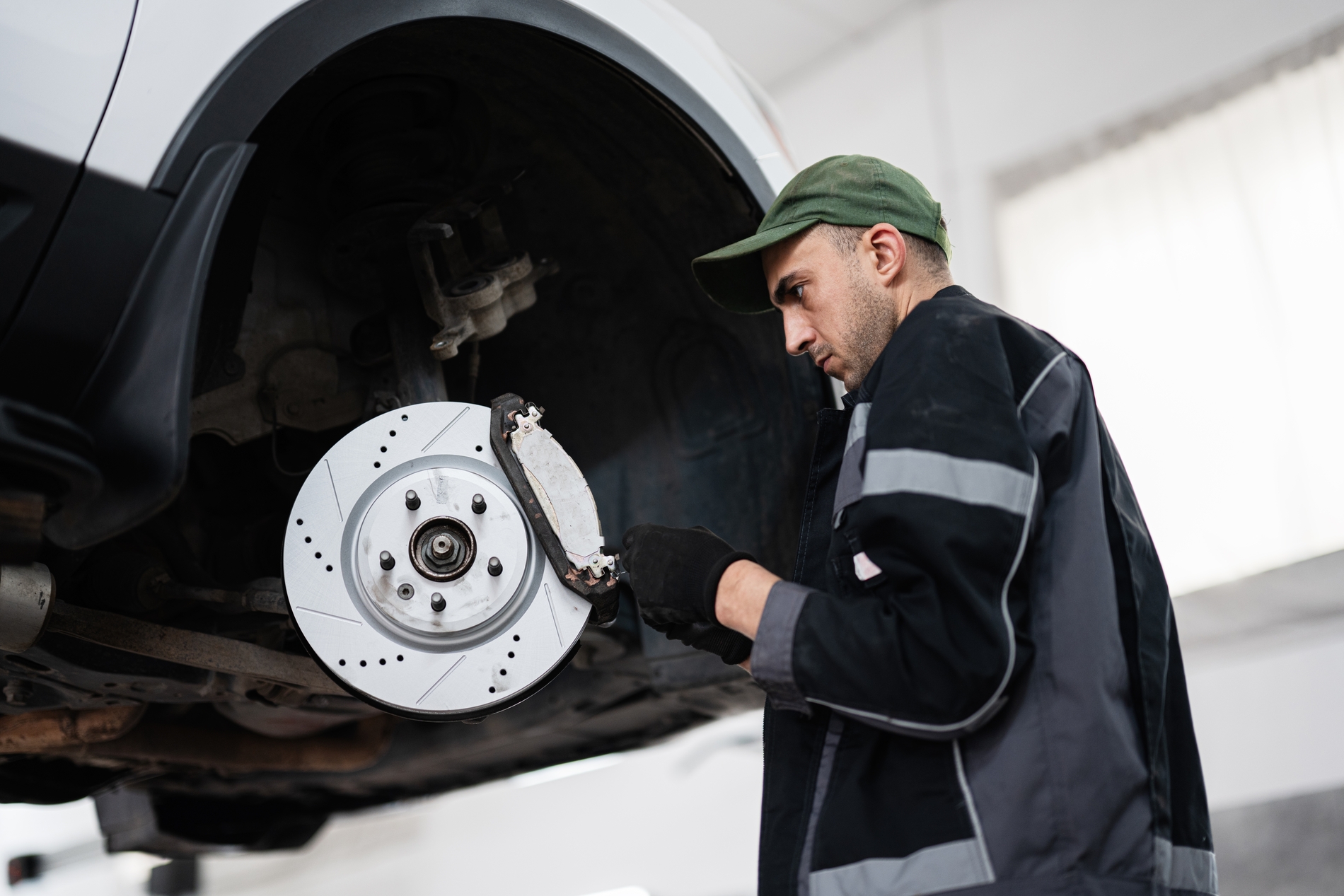
Your brakes keep you safe every single day. But they don’t last forever, and waiting too long to replace them can put you and your family at risk. The good news is that your car will usually give you plenty of warnings before things get dangerous. Here are seven clear signs that tell you it’s time for new brakes.
1. Squealing or Screeching Sounds
Hear a sharp, high-pitched squeal when you press the brake pedal? That’s actually by design. Brake pads have a small metal tab that starts scraping the rotor once the pad gets too thin. It’s your vehicle’s way of giving you an early heads-up that something needs checking
2. Grinding Noise
A grinding sound is much more serious. This means your brake pads have worn down completely, and now metal is rubbing directly on metal. Every time you brake, you’re damaging the rotors. What could have been a simple fix now becomes an expensive repair job.
3. Longer Stopping Distance
Notice your car takes longer to stop than it used to? Your brake pads might be worn out or glazed over from heat. This is dangerous because those extra few feet could mean the difference between stopping safely and hitting something.
4. Vibrating Brake Pedal
When you feel a pulsing or shaking through the brake pedal, something’s wrong. Usually, this means your rotors have warped or your pads are wearing unevenly. If you leave it unaddressed, the issue won’t fix itself and will likely become more serious over time.
5. Dashboard Warning Light
Many newer cars have sensors built into the brake pads. When they get too thin, a warning light pops up on your dashboard. Don’t brush it off. That light is there for a reason.
6. Thin Brake Pads
You can actually see your brake pads through the wheel spokes. Take a quick look. If the pad looks thinner than a quarter inch, it’s time to replace them.
7. Car Pulls to One Side
Does your car drift left or right when you brake? This usually means one side is wearing faster than the other, or you have a stuck caliper. Either way, get it checked immediately.
How Often Should You Replace Brakes?
Most brake pads last between 25,000 and 65,000 miles, depending on how and where you drive. City driving with lots of stops wears them faster than highway driving. Your rotors typically last a bit longer, around 30,000 to 70,000 miles. But these are just general guidelines. The best approach is to have your brakes inspected every 10,000 miles or whenever you notice any of the warning signs above.