Toyota Driving Data Lawsuit Takes a Major Twist
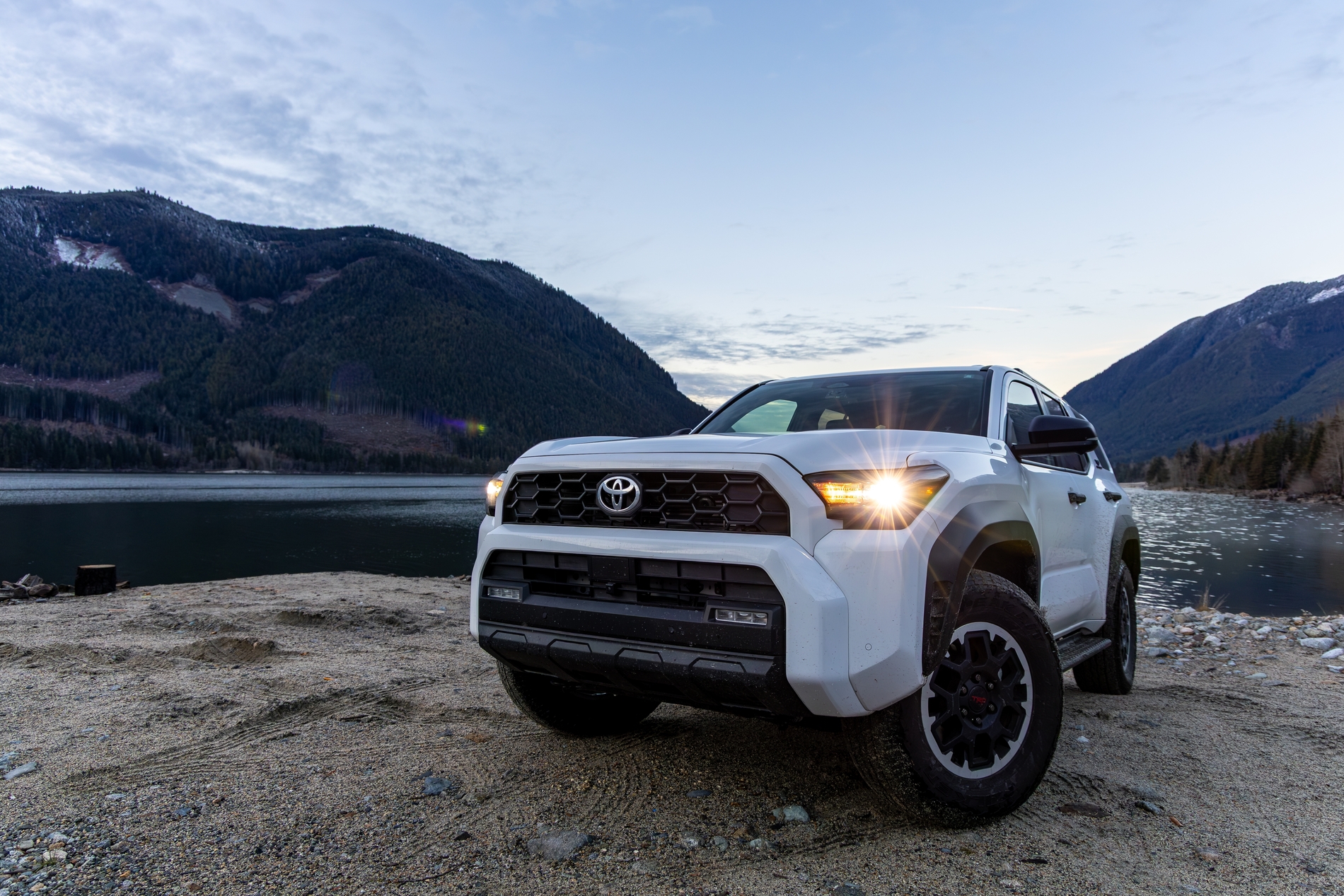
A Toyota driver says his car tracked his behavior and shared it with others without him clearly realizing it
If you drive a modern car, there’s a good chance it’s collecting more data than you think. That’s exactly what has landed Toyota in legal trouble, and now the case has taken a new turn.
It all started when a Toyota owner noticed something strange. While applying for insurance, he found out the company already had a detailed picture of his driving habits. We’re talking about things like how fast he drives, how hard he brakes, and how often he’s on the road. Naturally, that raised a big question. How did they get this information?
That moment led to a lawsuit. The driver claims Toyota collected and shared his data without properly making it clear. The case also involves Progressive Corporation and Connected Analytic Services, which are accused of using that data.
But here’s where things get interesting. Instead of moving forward in a regular courtroom, a judge decided the case should go to arbitration. In simple words, this means the dispute will be handled privately, not in open court.
Why did that happen? It comes down to something most of us don’t pay attention to. The terms and conditions. When customers sign up for Toyota’s connected services, they agree to certain rules. These include how their data can be collected and used. The court found that the driver had agreed to those terms, even if he didn’t fully realize what they meant at the time.
Toyota’s position is pretty clear. The company says it only collects data from users who give consent. It also points out that these connected features, like remote access, navigation, and live updates, depend on that data to work properly.
Still, not everyone is convinced. Many people feel that these agreements are too long and confusing. Let’s be honest, most of us just tap “agree” and move on. That’s where the real concern begins. Are users truly giving informed consent, or just clicking through to use their car’s features?
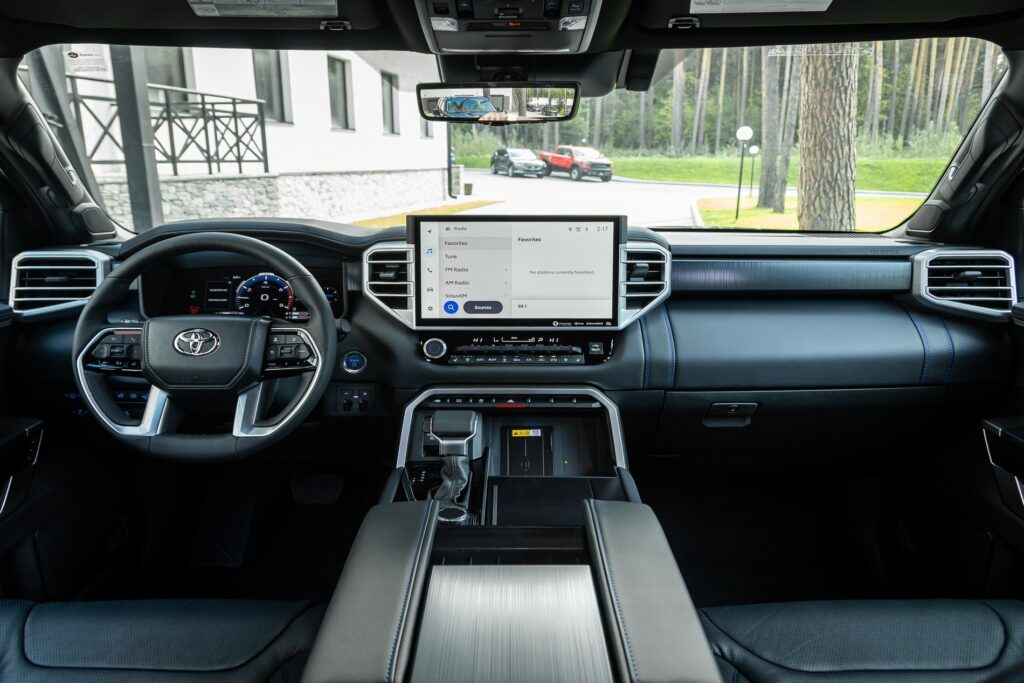
The judge also agreed with requests from Progressive and Connected Analytic Services to move their parts of the case into arbitration. So now, the entire matter will likely be discussed behind closed doors.
This case is bigger than just one driver. It reflects a growing concern in today’s world of smart vehicles. Today’s cars do much more than simply take you from one place to another. They are constantly collecting and sharing data in the background.
And as cars become even more advanced, especially with future self-driving technology, this issue will only grow. More data will be needed, and that means more responsibility for companies to handle it carefully.
For now, all eyes are on how this case unfolds. It could shape how automakers deal with user data in the years ahead. More importantly, it might finally push companies to be clearer about what they collect and why.