How to Check a Car’s History Report Before Buying
Okay, so you found a used car you like. Maybe it’s that sleek Camry down the street or a pickup truck listed online. Before you get too excited and hand over your money, you need to do one thing. Check its history report.
I know it sounds boring. But trust me, this simple step could save you from buying a complete lemon. We’re talking thousands of dollars in hidden problems. Let us show you exactly how to do this.
Step 1: Find the Vehicle Identification Number (VIN)
Every car has a VIN. It’s a 17-character code that’s totally unique to that vehicle. Kind of like a fingerprint, but for cars.
Finding it is actually super easy:
- Driver’s side dashboard: Go stand outside the car. Look through the windshield at the bottom corner where the dash meets the glass. See that little plate with numbers? That’s your VIN.
- Driver’s side door jamb: Pop open the driver’s door. There’s usually a sticker on the door frame with the VIN printed right there.
- Vehicle paperwork: Check the title, registration, or insurance papers. The VIN is always listed.
Now here’s what you do next. Make sure that VIN matches everywhere you find it. Dashboard says one thing, door jamb says another? Something’s not right. That’s your sign to bail.
Step 2: Pick a History Report Service
You’ve got the VIN. Great. Now you need to run it through one of these services. There are three big ones.
CarFax is the name most people know. They’ve got connections to over 151,000 sources. Insurance companies, DMVs, repair shops, you name it. A single report runs about $45. But here’s a tip: lots of dealerships will give you the CarFax for free. Just ask them before you pay for it yourself.
AutoCheck costs less, usually around $25. It’s owned by Experian, same folks who do credit scores. What makes AutoCheck cool is they give each car a score between 1 and 100. So if you’re comparing two similar cars, you can see right away which one has fewer issues. They’re also really good at catching cars that used to be rentals.
NMVTIS is the government one. Costs just a couple bucks. You won’t get all the fancy details, but it tells you the important stuff. Like if the car has a salvage title or if someone messed with the odometer. Honestly, if you’re on a budget, start here. It weeds out the really bad ones fast.
Step 3: Know What You’re Looking At
This is where people mess up. They get the report but don’t really know what matters. Let me break down the big red flags.
Title Brands: If you see words like salvage, flood, fire, or rebuilt, stop right there. These cars got wrecked so bad that the insurance company said forget it, not worth fixing. Sure, someone might’ve fixed it up later. But you’re gambling. Problems from that kind of damage can show up way later when you least expect it.
Odometer Stuff: Check how the miles add up over time. It should always go up, right? If the car had 75,000 miles last year but now it’s showing 55,000, someone rolled it back. That’s illegal, by the way. And it means they’re hiding how worn out the car really is.
Accident History: A little parking lot bump? Not a huge deal. But if you see the same car in multiple accidents, or if words like “structural damage” or “airbag deployed” pop up, that’s bad news. Those kinds of crashes mess up a car in ways that never really get fixed right.
Too Many Owners: When a car bounces between five different people in just a few years, ask yourself why. Good cars don’t get passed around like that. Usually it means there’s something wrong that nobody wants to deal with.
Step 4: Get It Checked by a Real Mechanic
Here’s what a lot of people don’t realize. A clean report doesn’t mean the car is actually clean.
These reports only show stuff that got recorded somewhere official. What about the guy who backed into his garage door and had his neighbor fix the dent for 200 bucks cash? Never gonna show up. What about DIY oil changes in the driveway? Nope, not on there either.
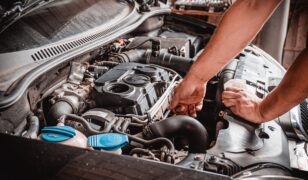
That’s why you absolutely need to take the car to a mechanic before you buy it. Yeah, it’ll cost you maybe $150 to $250. But think about it this way. That inspection could find a cracked engine block or a transmission that’s about to die. Problems that would cost you five grand to fix.
Find someone who really knows the brand you’re looking at. Buying a Subaru? Get a mechanic who works on Subarus every single day. They know all the common issues inside and out.
Final Remarks
Don’t skip the history report. It’s cheap insurance against making a massive mistake. For like 50 bucks or less, you get to see if that “perfect” car was actually in three accidents and has a rebuilt title.
One more thing. If the seller won’t give you the VIN when you ask, walk away. I don’t care what excuse they give you. Someone with nothing to hide doesn’t play games like that.
Get the report. Get the inspection. Then decide. That’s how you buy a used car without getting burned.