US Automakers Lose Over $35 Billion Due to Trump Tariffs Since Last Year
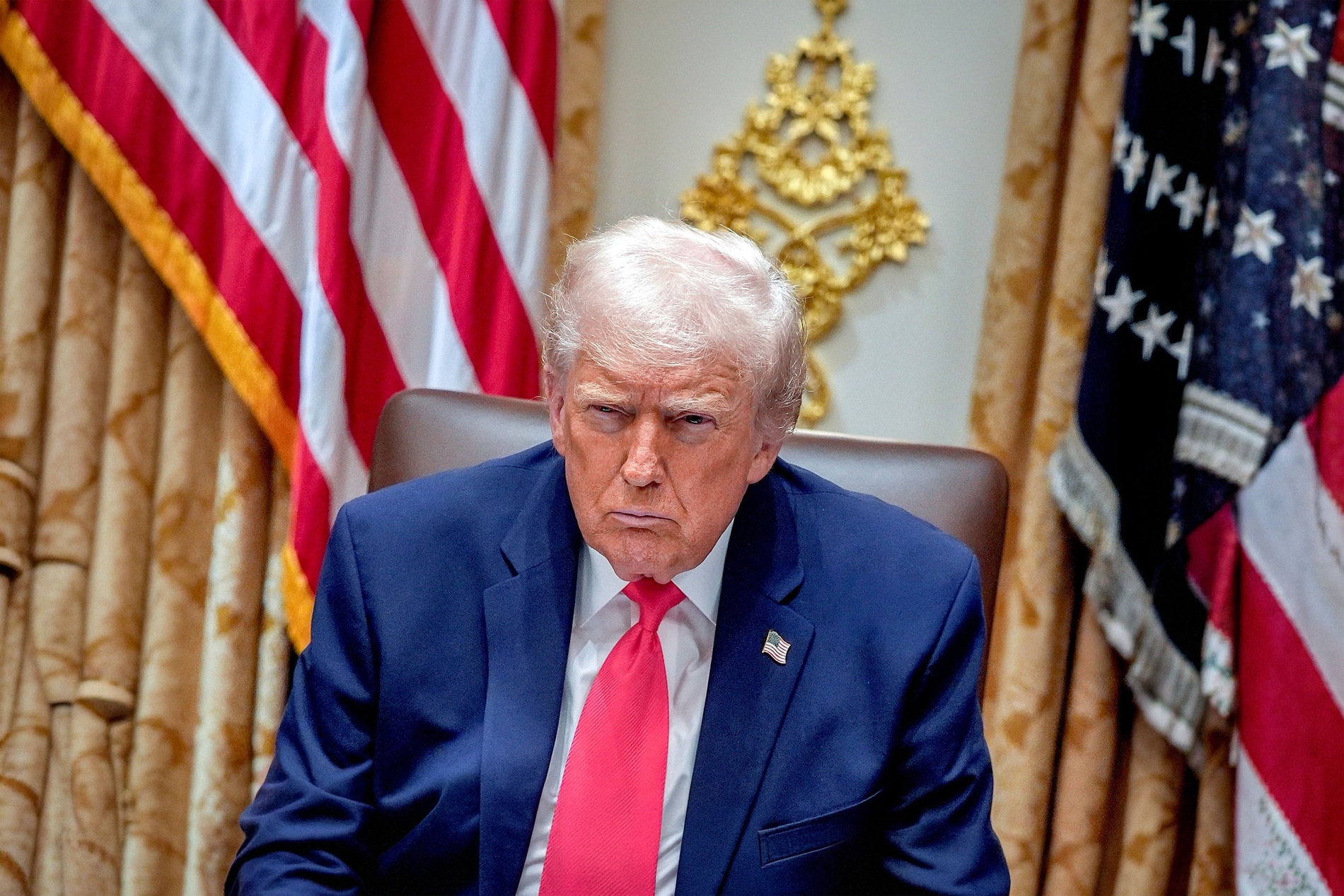
The billions lost by automakers may soon show up in the price of the next car you buy
The global auto industry has been dealing with a costly challenge since tariffs introduced during the administration of Donald Trump took effect. Over the past year, these trade policies have forced automakers to absorb more than $35 billion in extra costs, putting pressure on companies that already operate in a highly competitive market.
For many manufacturers, the situation has created a difficult balancing act. They must manage rising costs while trying to keep vehicles affordable for customers.
Global Automakers Feeling the Pressure
Car companies from around the world are feeling the financial impact. Japanese giant Toyota is expected to carry one of the largest tariff burdens. The company has estimated about $9.1 billion in tariff-related costs for its fiscal year ending in March 2026.
Other major automakers are also dealing with significant expenses. Brands such as BMW, Honda, Hyundai, Mercedes-Benz, Nissan, Subaru, and Volkswagen have each reported or projected tariff bills that exceed $1 billion.
For these companies, the tariffs are not just numbers on a financial report. They directly affect manufacturing decisions, supply chains, and future investments.
Detroit’s Big Three Also Take a Hit
American manufacturers are also facing serious losses. The Detroit-based automakers Ford Motor Company, General Motors, and Stellantis together lost around $6.5 billion in 2025 because of tariffs.
Even though these companies build many vehicles in the United States, their production still depends heavily on parts imported from other countries. When those components become more expensive, the final cost of building a vehicle rises quickly.
Tariffs Affect Both Cars and Key Materials
The tariffs do not apply only to imported cars. They also cover important materials used to build vehicles.
For example, imported steel and aluminum now face tariffs of about 50 percent. Cars arriving from regions like Europe, Japan, and South Korea also carry additional duties.
Vehicles built in Canada or Mexico can still face tariffs depending on how much of their parts come from outside the United States. On top of that, uncertainty around future trade agreements is making it harder for automakers to plan ahead.
Car Buyers May End Up Paying More
If you are planning to buy a new car, these tariffs could eventually affect you as well.
Automakers rarely absorb large costs forever. Many companies are expected to pass at least some of these expenses on to customers. In fact, some manufacturers have already started adjusting extra charges like destination and delivery fees. In certain cases, those fees have climbed above $3,000.
Automakers Rethink Their Strategies
Faced with rising costs and policy uncertainty, car companies are now reconsidering how and where they build vehicles. Some are thinking about expanding production in the United States to avoid tariffs on imported vehicles and parts.
Others are focusing on producing higher-priced models that bring better profit margins. This shift could mean fewer affordable cars available in the future.
For now, one thing is clear. The financial impact of tariffs is reshaping the auto industry, and the effects may be felt by both automakers and car buyers for years to come.