How to Read Your Car’s Check Engine Light Codes Without a Scanner
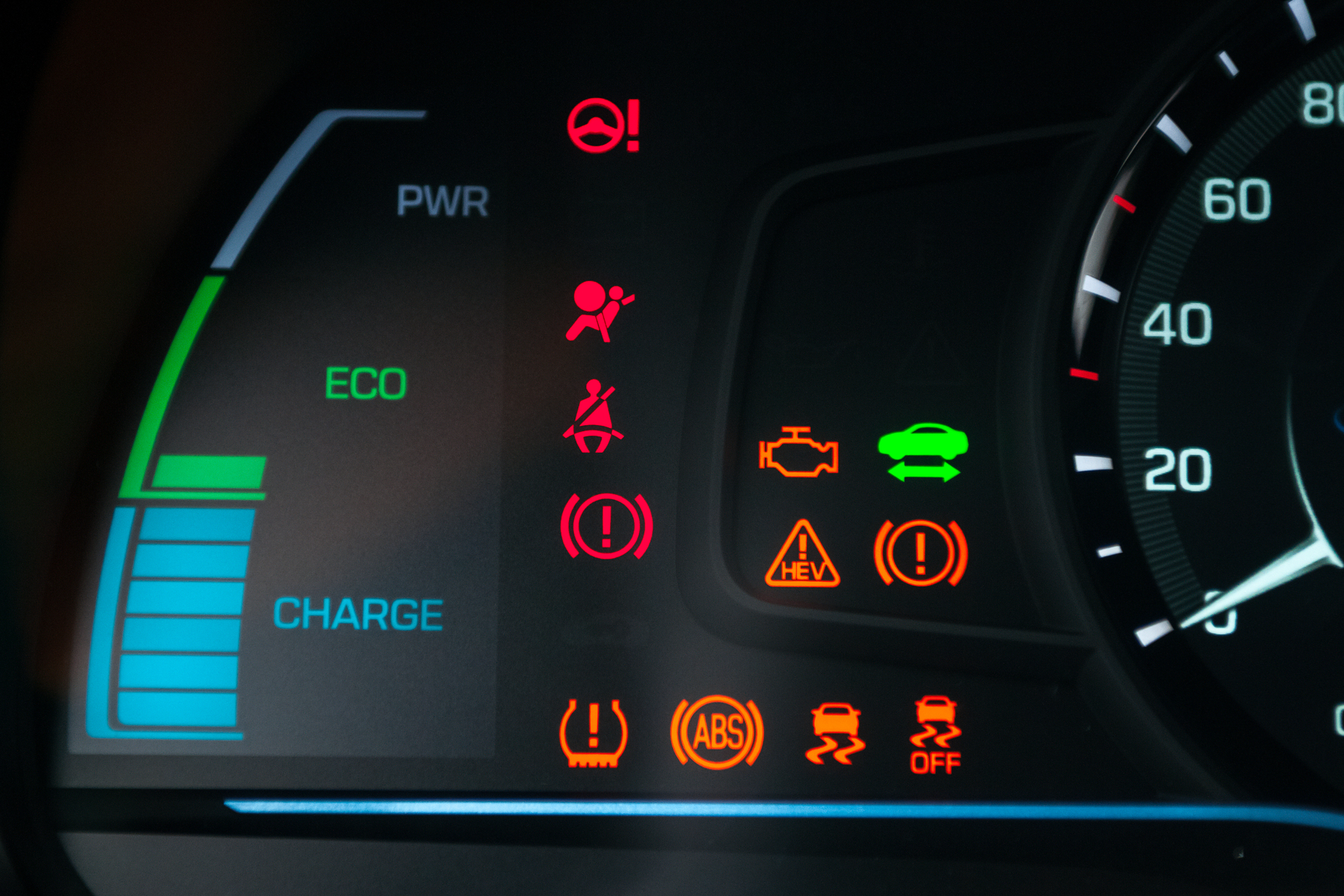
That check engine light just came on, didn’t it? I know the feeling. Your heart sinks a little, and you start wondering how much this is going to cost you. But here’s some good news: you don’t need to rush to a mechanic or buy an expensive scanner to figure out what’s wrong. You can actually read those error codes yourself, right from your driveway.
Let me walk you through it.
What’s Your Check Engine Light Really Telling You?
First, take a breath and look at how the light is behaving. This matters more than you think.
If it’s a steady yellow or orange glow, you’ve got time. The problem isn’t urgent, but don’t ignore it for too long. You can probably make it through the week before getting it checked.
Now, if that light is flashing or blinking? That’s your car screaming for help. Pull over safely and call for a tow. A flashing light usually means your engine is misfiring, and driving could cause serious damage.
The Easy Way: Using Your Odometer (Newer Cars)
Got a car made after 1996? You’re in luck. Most modern vehicles will display the error code right on your odometer screen. Here’s how:
- Find your odometer reset button and trip button
- Press and hold both buttons at the same time
- Keep holding them while you turn the ignition to “on” (but don’t start the car)
- Let go of both buttons
- Watch your odometer display. The error code should pop up there
Grab a pen and write it down. You’ll need that code to look up what’s actually wrong.
If That Didn’t Work, Try This
Some cars are a bit pickier. They need you to cycle the ignition a couple times. Don’t worry, it’s still simple:
- Hold down both odometer buttons (reset and trip)
- Turn your key to “on,” then back to “off,” then to “on” again. Do this while still holding the buttons
- Once you’re back in the “on” position, release the buttons
- The code should show up on your odometer
The Classic Method: Reading Flashing Lights
This one works on almost any car, especially older models from before 1996. It takes a bit more patience, but it works.
Turn your ignition key on and off about 3 to 5 times. Don’t start the engine, just turn the key. End with the key in the “on” position. You’ll know you did it right when all your dashboard lights come on at once.
Wait a moment. Most lights will turn off, but your check engine light will stay on. Now here’s where it gets interesting.
If you’ve got a newer car, the error code will show on your odometer. Easy enough. But if you’ve got an older car, your check engine light is about to communicate with you through flashes.
Watch the light carefully. It’s going to flash in a pattern. Long blinks mean “10” and short blinks mean “1.” You need to add them up.
Let’s say you see one long blink, pause, then two quick flashes. That’s 10 plus 1 plus 1, which equals code 12. Write it down as you go because it’s easy to lose count. The pauses between number groups help you separate the digits.
The Old School Trick: Paperclip Method
If your car is from the early 90s or older, you might need to get a little creative. Grab a paperclip and look under your dashboard on the passenger side for a small diagnostic plug. It’s usually not connected to anything.
Once you find it, straighten your paperclip and stick each end into the two holes in the plug. Make sure it’s making good contact. Turn your ignition to “on” without starting the car, and watch that check engine light. It’ll flash your error code just like I described above.
What Do You Do With the Code?
Okay, you’ve got your code. Now what? Jump online and search for your code along with your car’s make and model. You’ll find tons of information about what it means.
Common culprits are things like a loose gas cap (seriously, that can trigger the light), bad oxygen sensors, or worn spark plugs. Some fixes are simple. Others, not so much.
Here’s my honest advice: if the fix sounds complicated or you’re not confident about it, take your car to a mechanic. At least now you’ll walk in knowing what’s wrong, which means you won’t get taken for a ride. Many auto parts stores will also scan your car for free if you want a second opinion.
Your car is trying to help you by turning on that light. Now you know how to listen to what it’s saying.