How to Protect Your Car’s Engine From Excessive Wear
Protecting your engine isn’t difficult. It’s a collection of small habits done right, over and over again.
Car engines are sensitive. Every mile you drive harshly, every wrong cold start, every ignored oil change steals your engine’s life. Normal wear and tear is okay, but you can save it from excessive wear with a few simple practices. Let’s get into this and explore more.
Why Engine Wear Happens in the First Place
Engine wear doesn’t begin after 100,000 miles. It starts the very first time you turn the key. From day one, metal parts are rubbing against each other, heat is building up, and oil is doing its best to keep everything from grinding itself to dust.
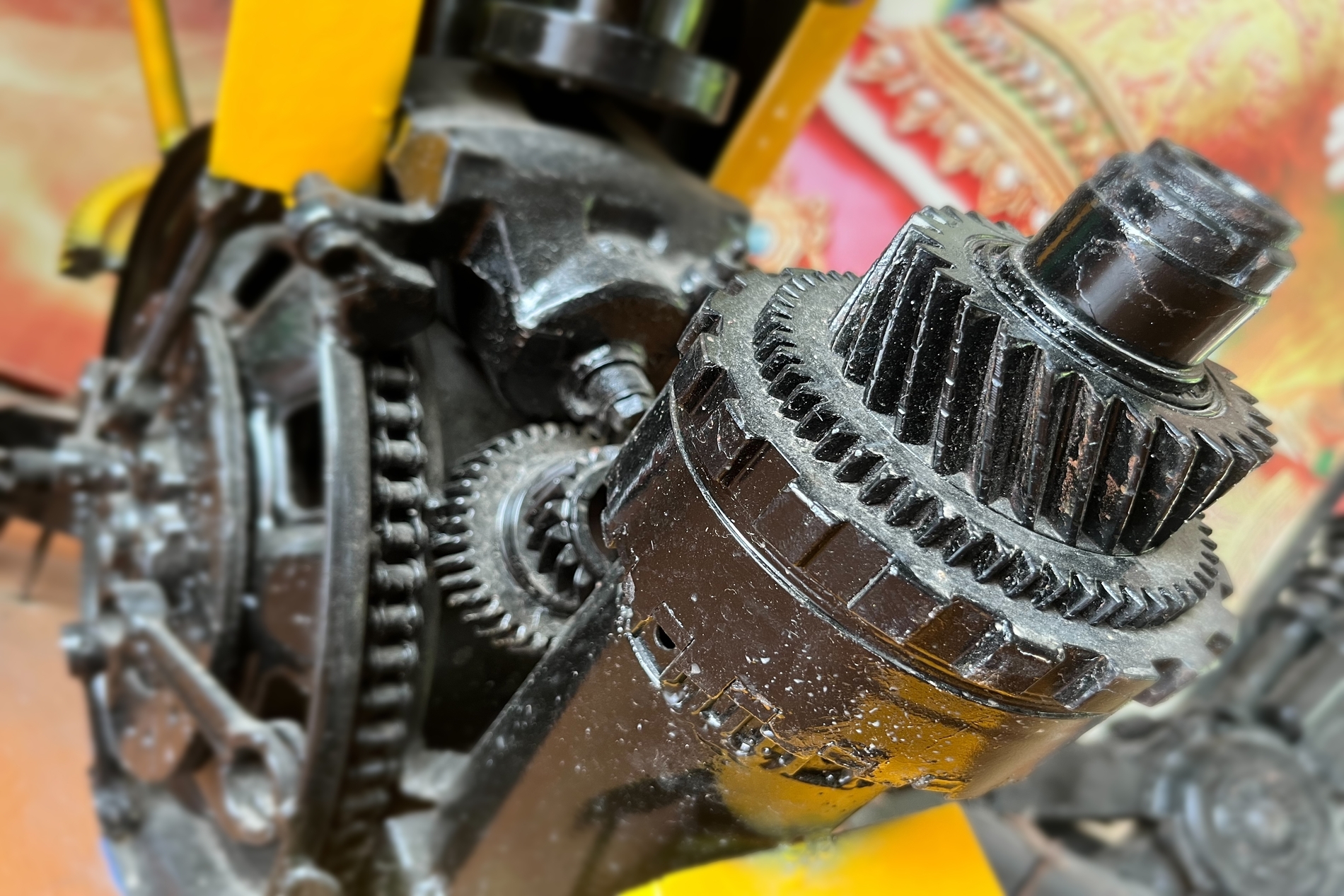
Inside the engine, components like pistons, cylinder walls, crankshafts, and camshafts are in constant motion. They depend on a thin film of oil to stay separated. The moment that film breaks down, whether from burned oil, a cold start, or heat, metal touches metal. And that’s where the trouble begins.
Understanding this is the first step to actually doing something about it.
Why Oil Is the Engine’s Best Friend
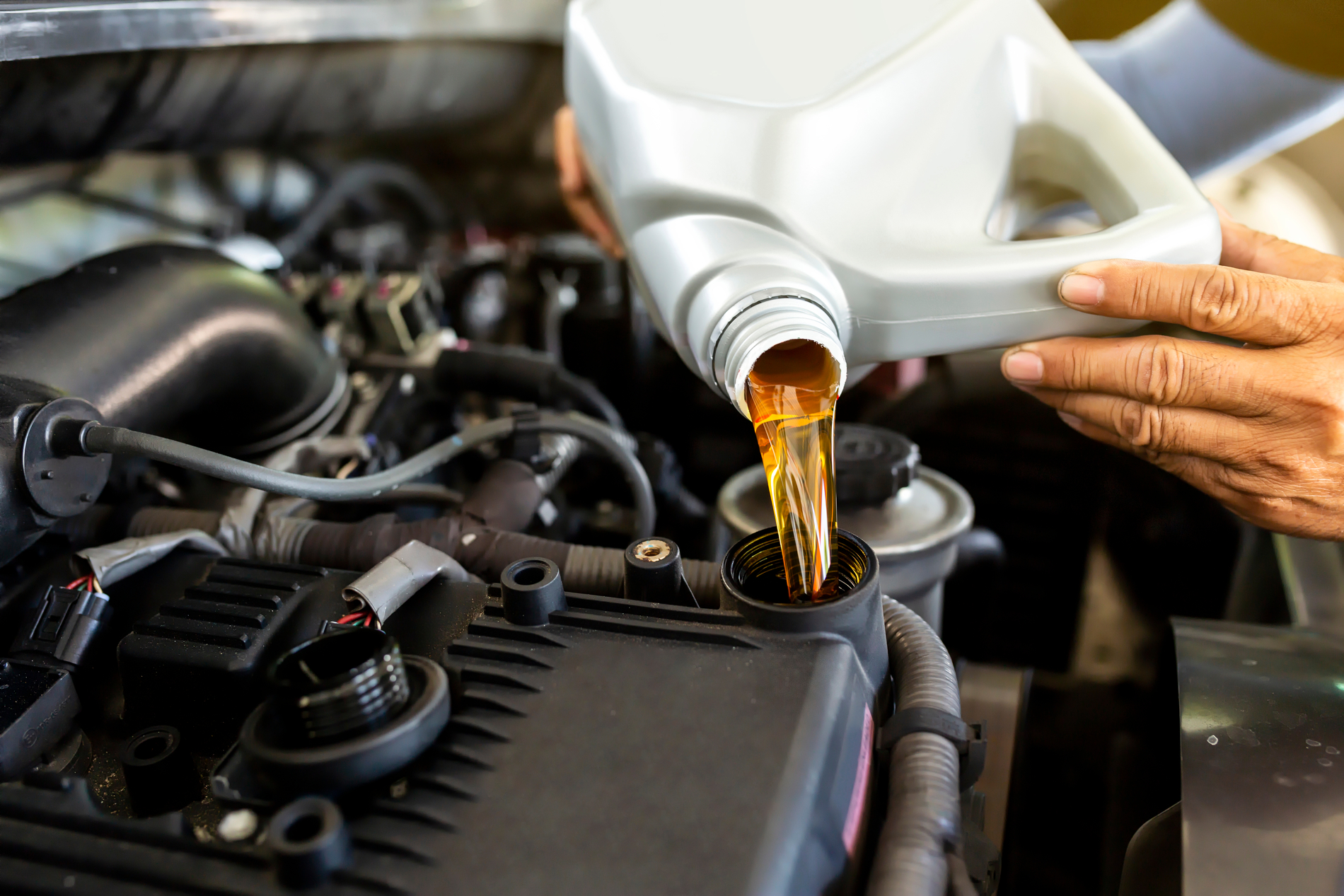
Motor oil is like the bloodstream of the engine. It lubricates, cools, cleans, and protects. But oil degrades over time. It breaks down into a thick, sludgy mess that does more harm than good.
What You Should Actually Do
- Stick to the manufacturer’s recommended oil change interval. Don’t guess. Check your owner’s manual. Modern engines often go 5,000 to 10,000 miles between changes depending on the oil type and driving conditions.
- Use the right oil grade. Your engine was built with a specific oil viscosity in mind. Using the wrong grade can affect how well it lubricates under heat and cold.
- Consider synthetic oil. Full synthetic engine oil holds up better at extreme temperatures, resists breakdown longer, and provides superior protection at startup. It costs more upfront, but it’s worth every cent.
- Don’t neglect the oil filter. A clogged filter will keep dirty oil circulating. Replace it every time you change the oil, with no exceptions.
How To Survive Cold Starts Without Wrecking Your Engine

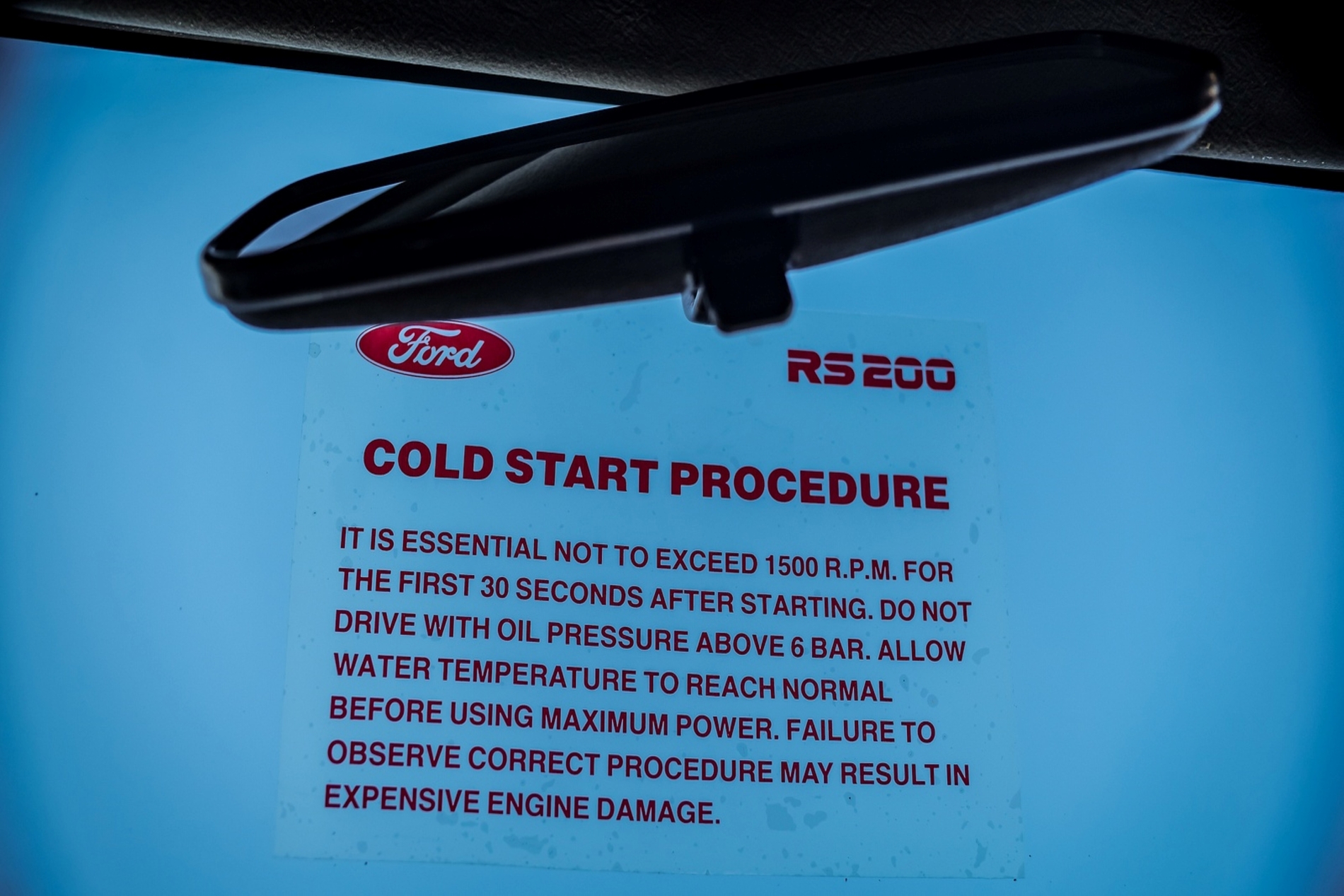
When a car sits overnight, oil drains down into the oil pan. For the first few seconds after startup, the engine runs without any lubrication at all. That brief window causes a disproportionate amount of total engine wear.
What You Should Actually Do
- Don’t rev your engine right after starting it. Let it idle for 30 to 60 seconds. Give the oil time to circulate.
- Drive gently for one mile at least. Avoid aggressive acceleration until the engine reaches operating temperature.
- Park in a garage during winter if you can. A warmer engine at startup means thinner oil that circulates faster, giving less metal-to-metal contact right out of the gate.
- Use an engine block heater in extreme cold. It keeps the engine warm overnight, dramatically reducing cold-start wear in freezing climates.
How To Change Driving Habits To Protect Your Engine
Two people with the same car and the same oil can have completely different engine lifespans based purely on how they drive the vehicle.

City driving is rough on an engine. The engine never fully warms up, fuel and moisture don’t burn off properly, and sludge builds up in the oil faster. It’s genuinely tough on your engine.
What You Should Do
- Accelerate smoothly. Hard acceleration from a standstill spikes RPMs and puts stress on pistons, rings, and bearings.
- Maintain steady speeds on the highway. Consistent cruising is far easier on the engine than constant speed changes. Use cruise control on long drives.
- Shift into neutral at long red lights. If you’re stopped for more than 30 seconds, putting an automatic transmission in neutral takes some load off the engine and transmission.
How To Prevent Your Engine from Overheating
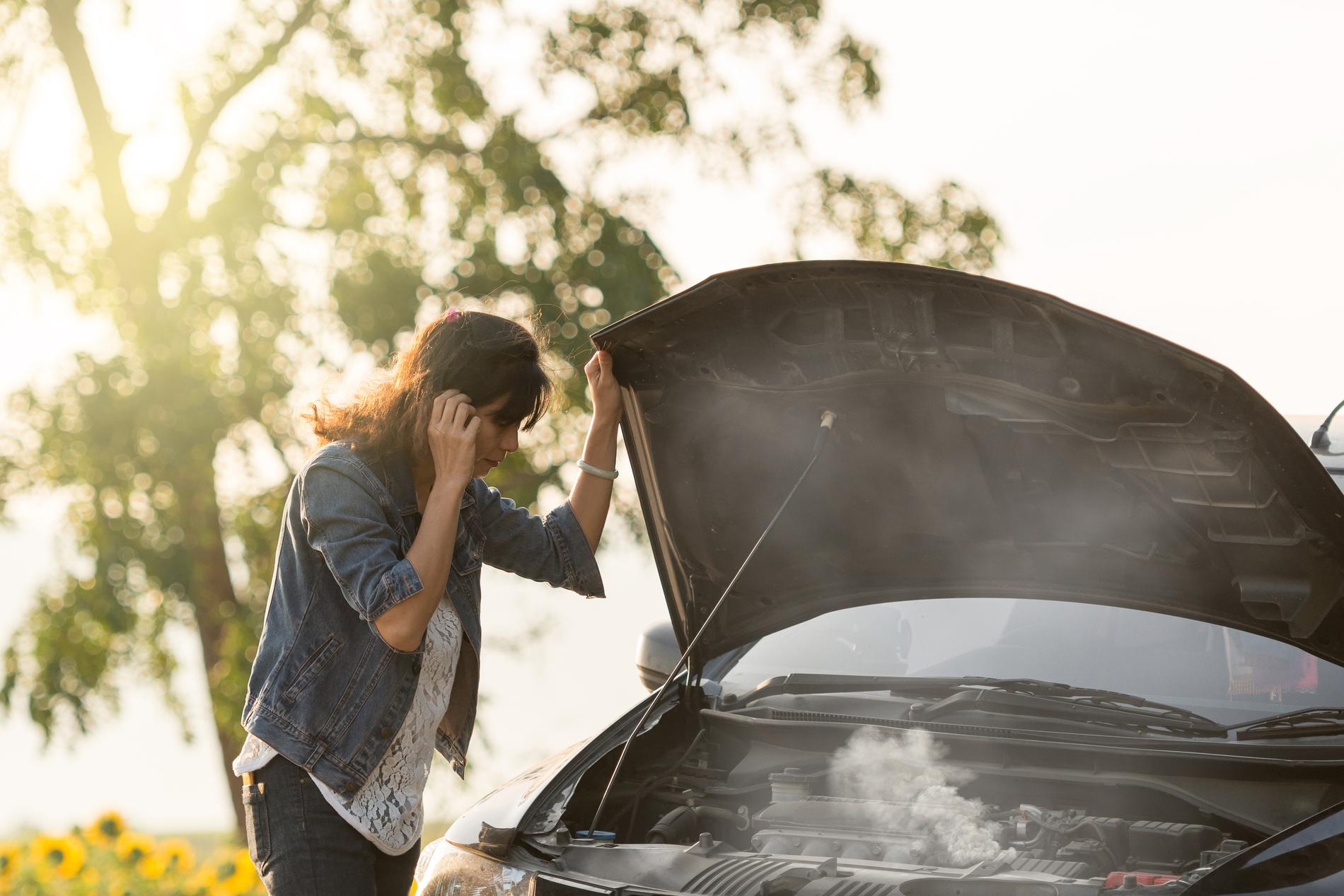
When an engine runs too hot, oil breaks down faster, seals fail, and metal components expand beyond their tolerances. Left unchecked, overheating can cause catastrophic engine damage in a matter of minutes.
What You Should Actually Do
- Check the coolant level regularly. Do this when the engine is cold. Low coolant is one of the most common causes of overheating and one of the easiest to prevent.
- Flush the cooling system from time to time. Old coolant loses its ability to transfer heat and can become corrosive. Check the owner’s manual for the recommended flush interval.
- Inspect hoses and the radiator cap. A cracked hose or a failing radiator cap can cause the cooling system to lose pressure and boil over. These are cheap fixes that can save you from an expensive engine repair.
- Never ignore the temperature gauge. If it creeps toward the red, pull over. Driving an overheating engine for even a few minutes can warp cylinder heads or blow a gasket.
How To Keep Your Engine Breathing Easy
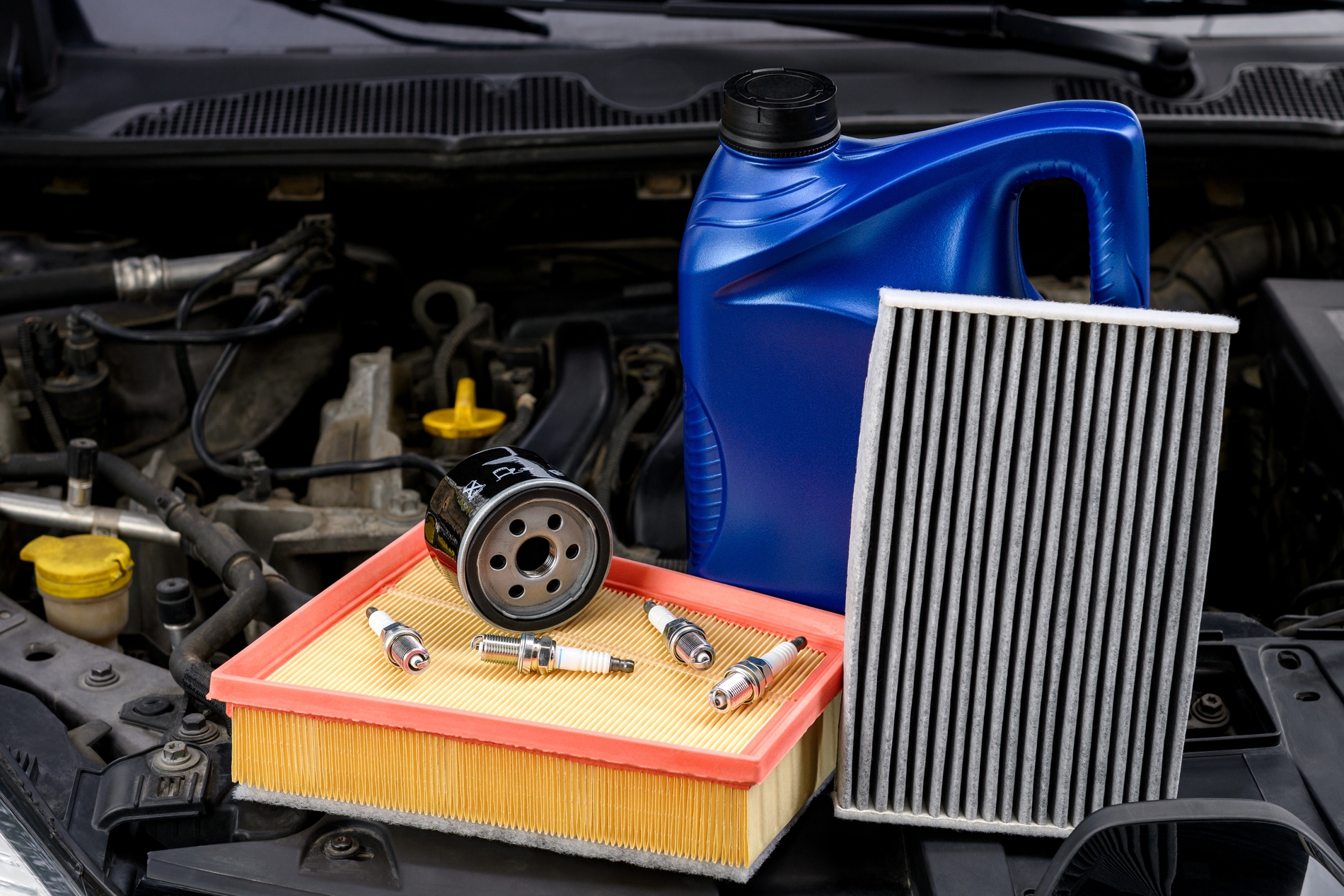
An engine needs two things to run: fuel and air. Dirty filters choke off both, and the consequences go beyond just reduced performance.
1. The Air Filter
A clogged air filter makes it harder for the engine to draw in air. That extra strain increases wear and drops fuel efficiency.
2. The Oil Filter
As mentioned earlier, an oil filter traps metal particles, dirt, and combustion byproducts. When it’s clogged, unfiltered oil circulates through the engine and damages it.
What You Should Do
- Replace your air filter every 15,000 to 30,000 miles, or sooner if you drive on dusty or unpaved roads.
- Replace your oil filter with every oil change. It’s inexpensive and non-negotiable.
How To Use Fuel Quality to Your Advantage
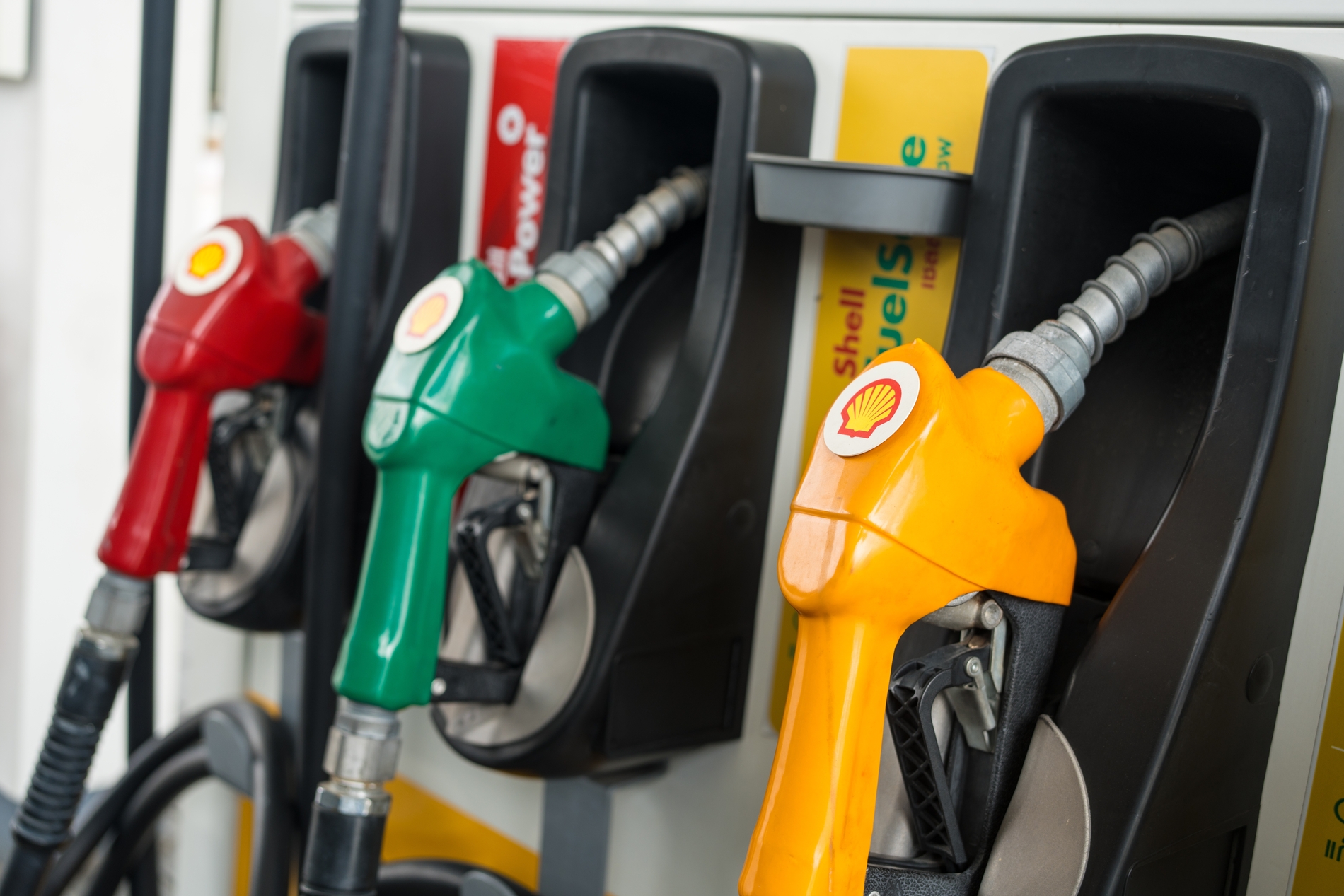
Most people grab the cheapest fuel at the nearest gas station without a second thought. But the quality of the fuel you run matters more than you might think.
Low-quality or contaminated fuel can clog injectors, leave deposits on engine valves, and cause incomplete combustion. Over time, these deposits build up and affect how quickly the engine wears out.
What You Should Do
- Use the octane rating your car requires. If the manual mentions premium, use premium. Running lower octane than specified can cause engine knock and damage internal components.
- Buy fuel from reputable stations. High-traffic stations turn their fuel over faster, meaning it’s less likely to be contaminated or degraded.
- Clean the fuel pump and injectors periodically. A quality fuel injector cleaner run through the tank every 10,000 to 15,000 miles can help clear deposits and keep injectors spraying properly.
Bottom Line
The drivers whose engines last 200,000, 300,000 miles are not doing anything magic. They’re just not cutting corners.
Change the oil on time. Drive with a little care. Keep the cooling system healthy. Pay attention to what your car is telling you. Stay on top of filters and fluids. That’s it. There’s no secret formula. Just respect your engine, and it will go the distance with you.