How to Parallel Park Your Car Like a Pro
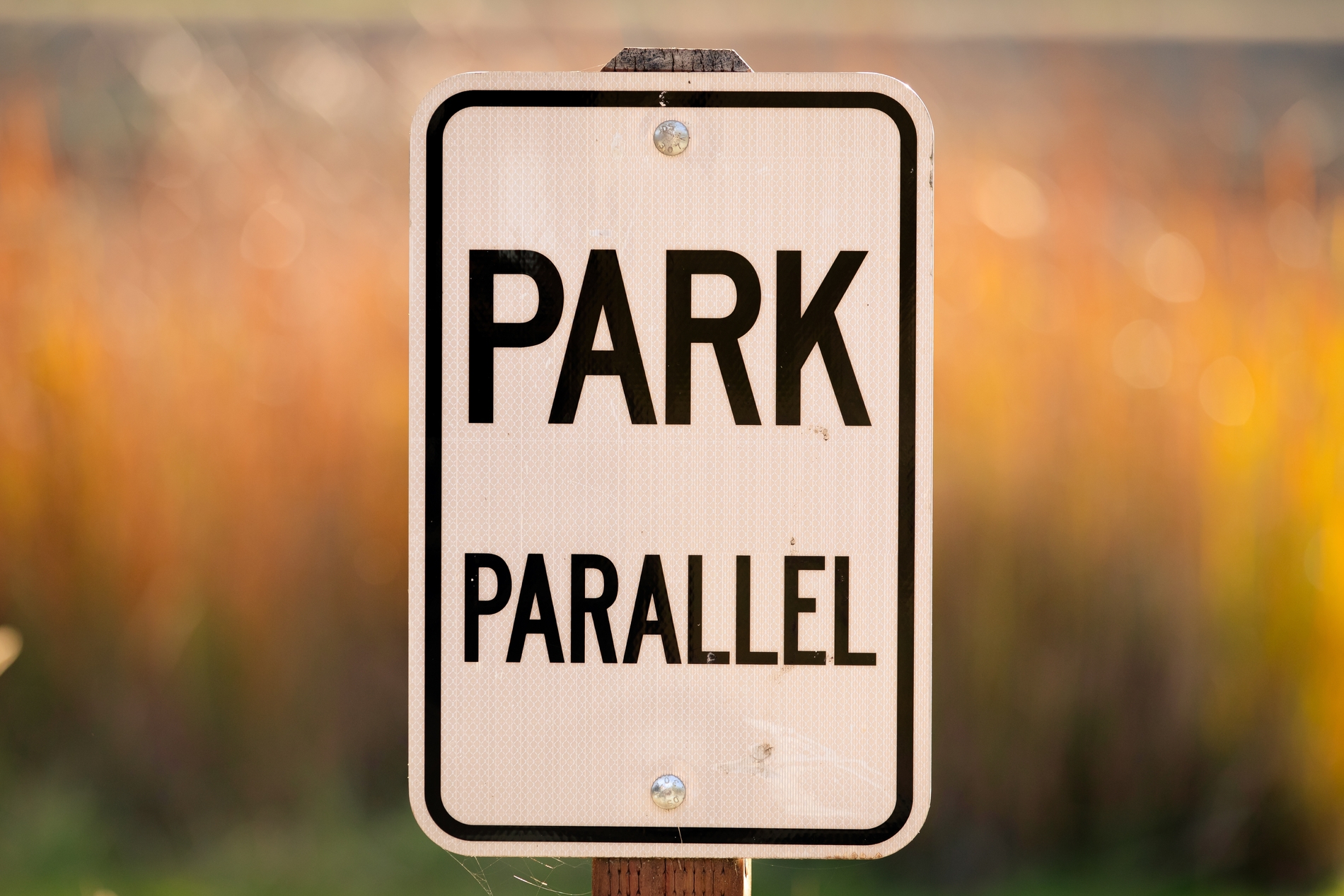
You’ve probably circled the block ten times just to avoid parallel parking. It costs you time, fuel, and a little bit of your dignity.
The truth is, parallel parking isn’t hard. It just looks hard. Once you break it down into simple moves and understand exactly when to turn the wheel, it clicks.
Let’s get into learning it.
First, What Even Is Parallel Parking?
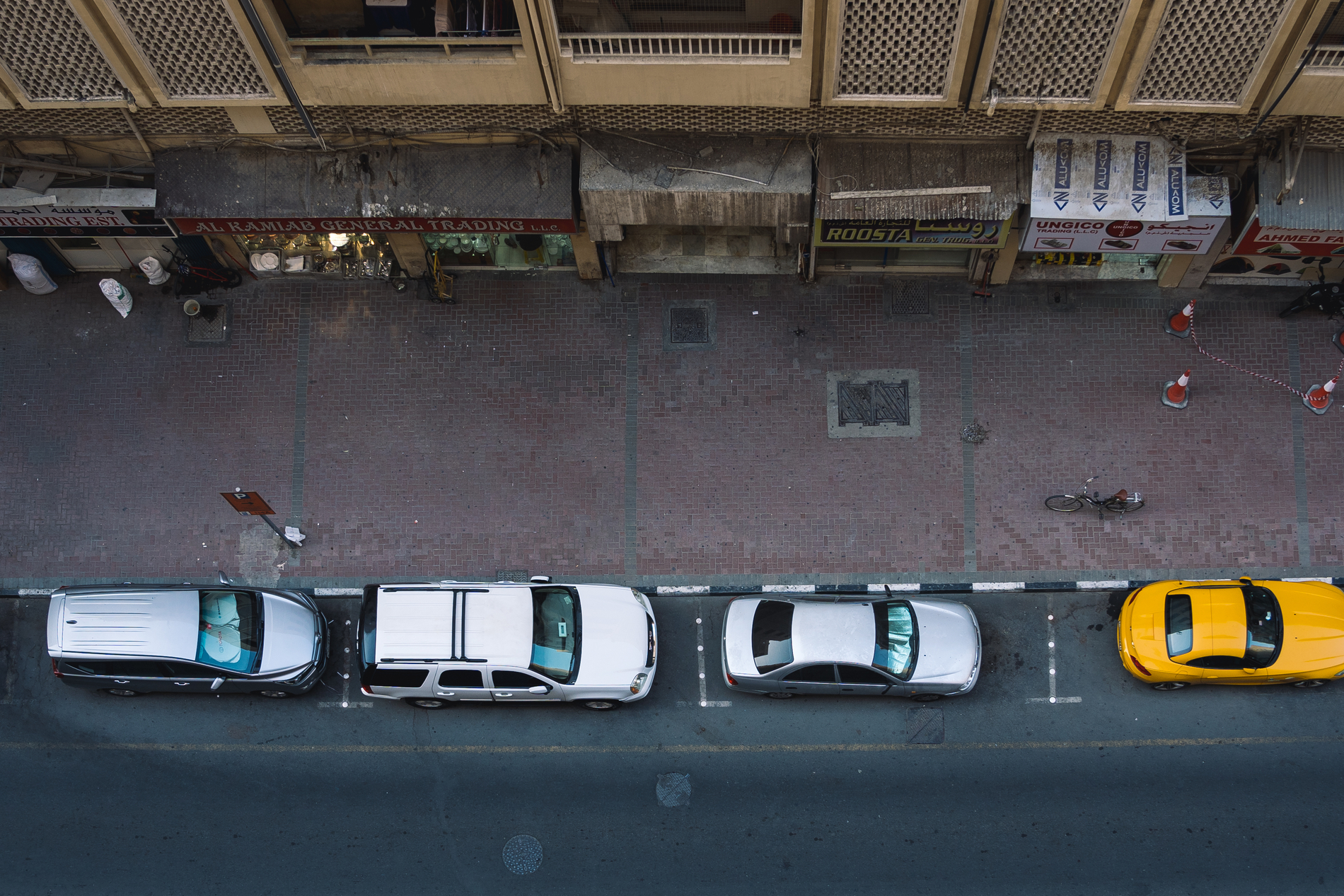
It’s when you park your car parallel to the curb, meaning it’s lined up straight alongside the curb, usually sandwiched between two other parked vehicles. You can’t just park straight in. You have to reverse into the space at an angle. That’s the part that messes people up.
Before You Start, Pick the Right Space
This is where most beginners go wrong before they even begin.
Select a space that’s about 1.5 times the length of your car. If the gap looks tight, skip it. Move on. There’s no shame in that. As your confidence grows, you can start parking in tighter spots.
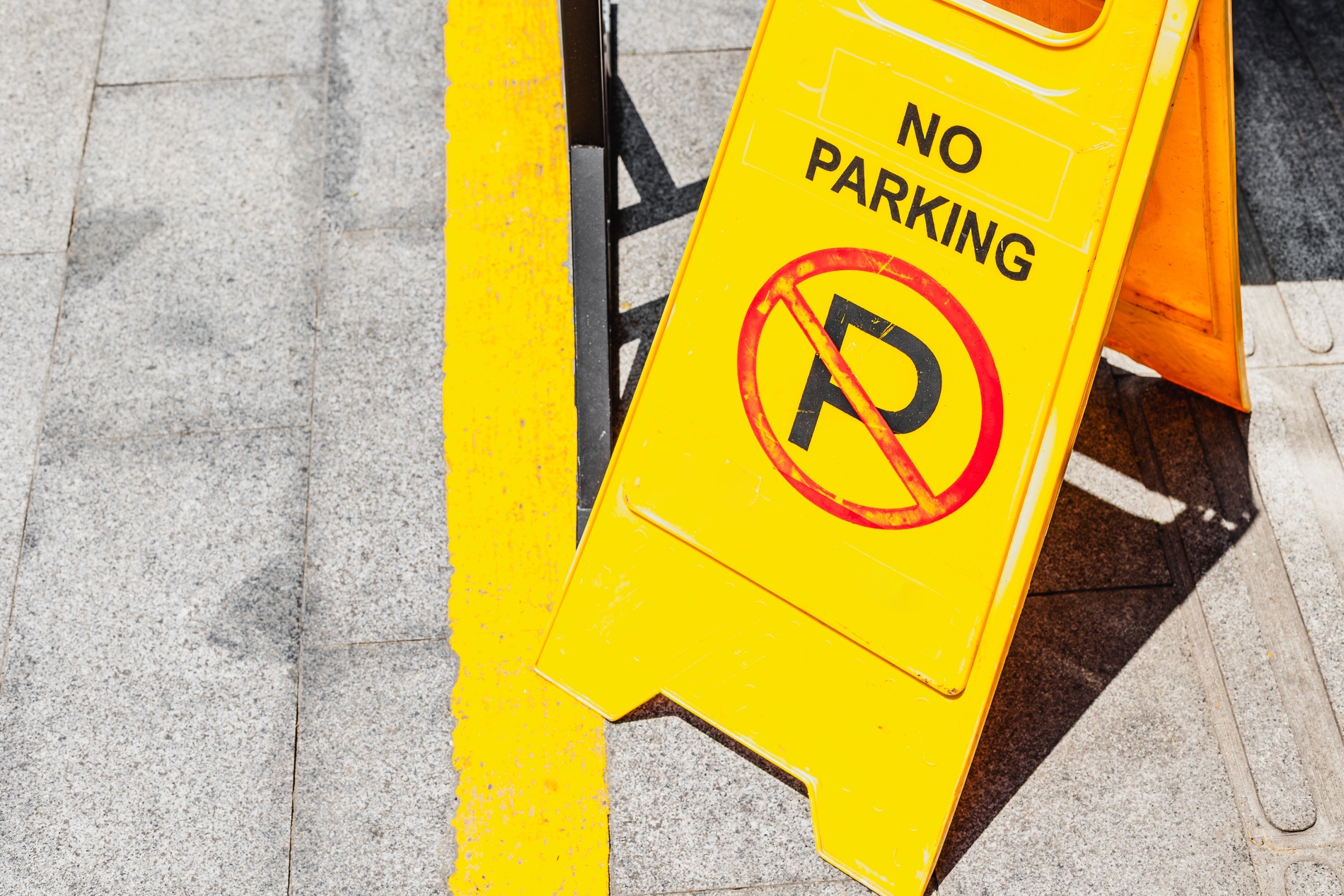
Also, once you select a space, do a quick scan. Look for signs, meters, or curb markings painted red, yellow, or white. Some areas restrict parking during certain hours, for deliveries, or for emergency vehicles. Avoid parking too close to driveways, fire hydrants, or crosswalks, as those spots can earn you a ticket.
Step 1: Signal and Pull Up Alongside the Car in Front
Once you’ve found your spot, don’t rush. Turn on your right signal. This tells other drivers what you’re about to do and gives you room to work.
Pull up next to the car you’re going to parallel park behind, keeping a safe distance of 2 to 3 feet from its side. You should be parallel to that car, not angled away from it.
Stop when your car’s rear wheels are even with the other car’s rear bumper. This position gives you the right angle to enter the parking space smoothly.
Step 2: Reverse and Turn the Wheel Hard Right
Now put the car in reverse. Before you move, sit up tall and turn your shoulders 90 degrees from the back of your seat so you can see clearly behind you. Don’t hunch or rely only on your mirrors.

Start reversing slowly. Turn your steering wheel all the way to the right and begin to back up into your chosen spot slowly. Stop when your car lines up with the other car’s rear bumper.
Step 3: Straighten the Wheel, Then Turn Hard Left

Once your car is at that 45-degree angle and your rear end is pointing toward the curb, straighten your wheel for a second, then turn it all the way to the left. This trick, called the “S-Curve” method, helps you visualize your car’s movement. When viewed from above, your car’s path forms an “S” shape.
Keep reversing slowly as you do this. Your front end will swing into the lane, and your rear will tuck neatly toward the curb. Watch your side mirrors constantly during this move.
Pro tip: If your car has power-adjustable mirrors, tilt them slightly downward while parking to get a better view of your tires for judging how close you are to the curb.
Step 4: Straighten Up and Center the Car

Once your car is roughly parallel to the curb, straighten the wheel and ease in until you’re fully inside the space. Always center your car between the other two vehicles, as this allows both cars to exit the parking lot.
Now check your distance from the curb. Though the proper distance from the curb varies by state, typically your car should be between 12 and 18 inches from the curb.
It’s common to need a few adjustments to make sure your vehicle is positioned perfectly. Make sure your vehicle is fully inside the lines of the parking space and that the wheels are not touching the curb.
And if your rear wheel does lightly tap the curb, don’t panic. Most of the time, you can put the vehicle in drive, turn the wheels all the way to the right, and move forward until the vehicle is parallel. Then recheck your distance.
Step 5: Final Check and Park

You’re in. Now do a quick final sweep before you call it done.
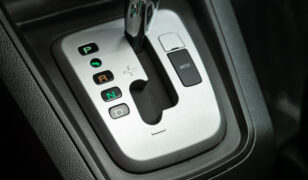
Make sure you have enough room in front and behind so both neighboring cars can pull out. Put the car in Park (P). If you’re on a hill, facing uphill, turn the steering wheel all the way to the left before putting it in park. This prevents your car from rolling into traffic if the brake fails.
Turn off the engine. Take a breath. You did it.
The Bottom Line
Practice without pressure first. Use an empty curb on a quiet street. Practice between two driveways, where there is no traffic pressure. Ask a friend to spot you, as they can give feedback and help guide you as you practice your angles.
You can even use two trash bins or cones to simulate a space. Do it ten times in an empty lot, and you’ll feel like a completely different driver the next time you’re on a street.