Driving the First-Gen Toyota Prius 25 Years Later Hit Me With Nostalgia
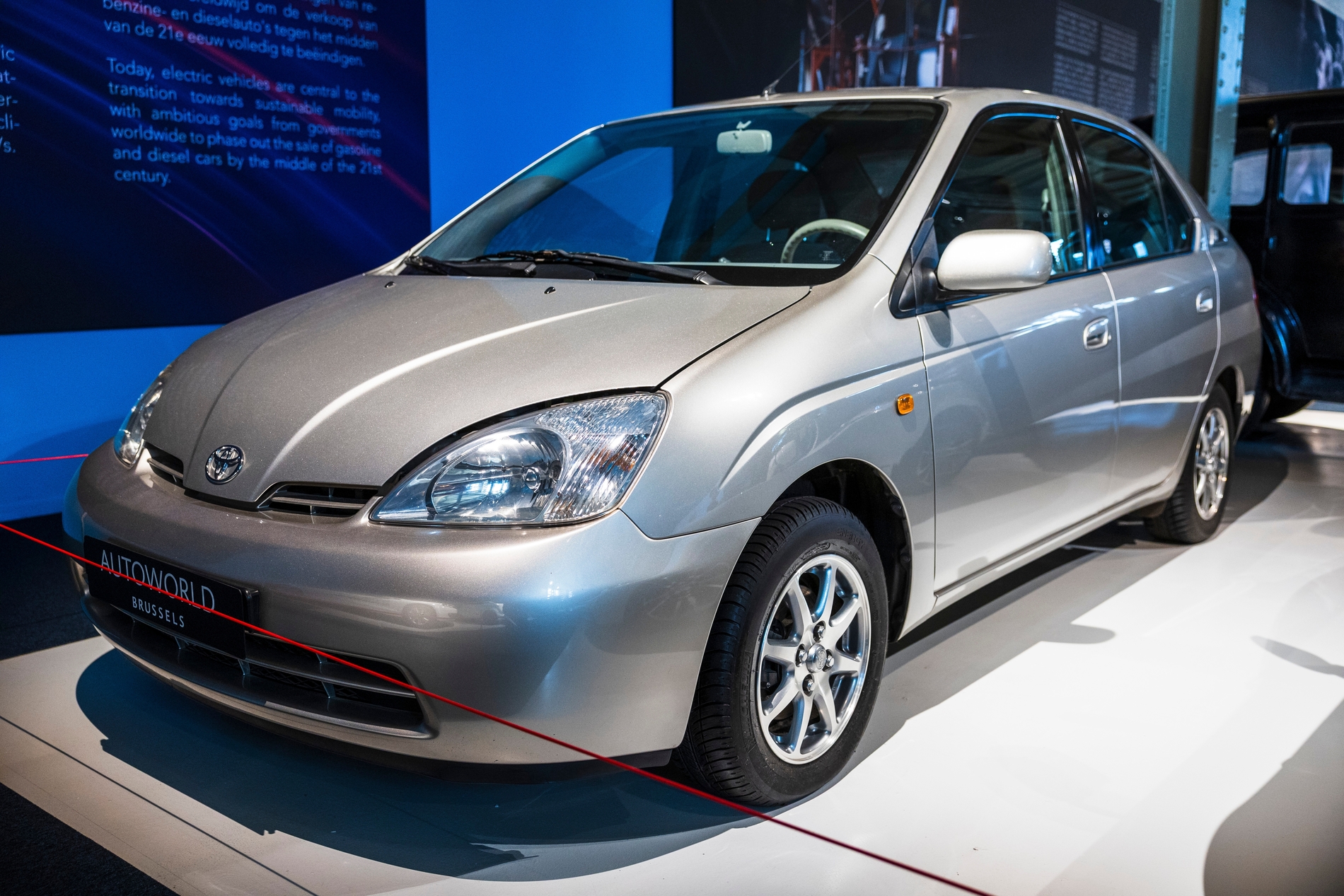
The car that started the hybrid movement is now old enough to be considered a classic.
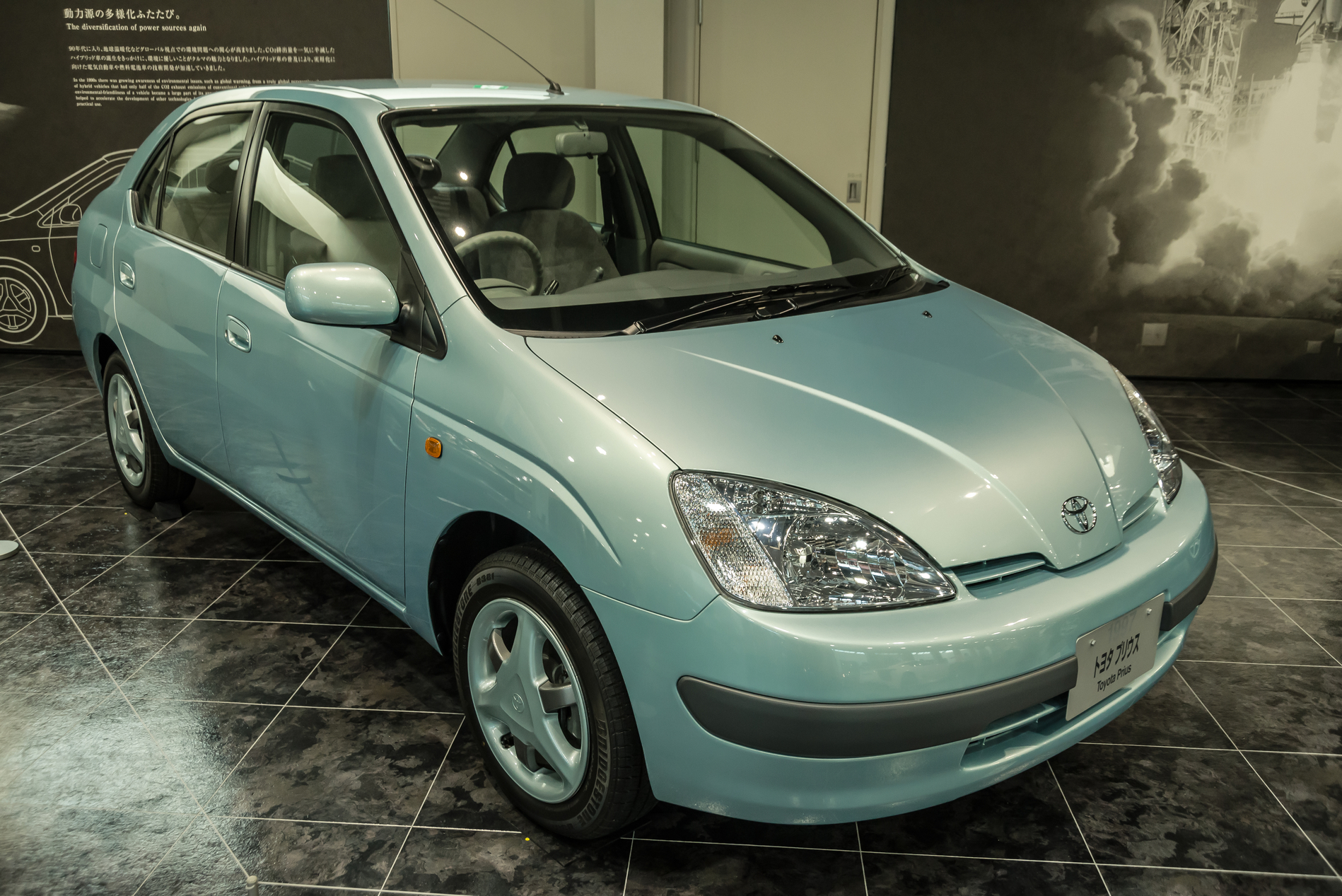
I spent six weeks driving a 2001 Toyota Prius as my only car, and it left me thinking about how much has changed in 25 years. This car arrived in the United States in 2000, sold as a 2001 model, priced around $20,000 at a time when almost nobody except Toyota believed a hybrid could sell in America. It had already been on sale in Japan since 1997, but the U.S. market was a different bet, and Toyota was taking a risk bringing it here.
I want to clear something up before I get into how it drives. The first-generation Prius is not the shape most people picture when they hear the word Prius. That wedge-shaped hatchback everyone remembers is the second generation, which arrived in 2004.
Getting In and Getting Used To It
The first-gen Prius interior was unique. The instrument cluster sits in the center of the dashboard instead of behind the steering wheel, showing your speed along with real-time information on whether the gas engine or the electric motor is powering the car.
Many owners love how easy it is to glance at without looking down. Others find it awkward, since your eyes have to travel sideways to monitor the speed. My own opinion fell somewhere between those two. It took me about a week to stop reaching for a speedometer behind the steering wheel, and after that it became my muscle memory.
My first-gen Prius has the optional touchscreen navigation system, which was genuinely ahead of its time for a car built in 2000. Almost nothing else in this price range offered anything like it back then. The seats and interior materials have also held up better than I expected for a car this old. Several other owners mentioned the same thing, saying their original upholstery still looked new after many years of daily use.
What It’s Like to Drive
This is where the Prius asks for patience. The regenerative brakes demand time to adjust to, since the pedal feel isn’t like a normal hydraulic brake. For the first few days, I kept misjudging my stopping distance. Once I adjusted my timing, it became second nature.
Acceleration is modest at best, and this is the most common complaint across owner reviews I found, especially when merging onto a fast highway or climbing a steep grade with a 4 passengers. Around town, in stop-and-go traffic, the car feels perfectly adequate, and the electric motor smooths out much of the low-speed hesitation you would expect from a small four-cylinder engine working alone. On my longer highway runs, I found myself planning lane changes a little earlier than I would in a modern car.
The Number Everyone Actually Cares About
Fuel economy is still the reason this car matters. My tank-to-tank average over six weeks of mixed city and highway driving came out to 46 miles per gallon. However, it depends on driving style and terrain. The original window sticker actually claimed higher numbers, since the EPA changed its testing method in 2008 and revised ratings downward across the board, including for older cars like mine. Either way, for a car built in 2000, these are numbers that plenty of new economy cars still cannot match today.
Twenty-Five Years and Still Running
Reliability of this model is exceptional. These cars keep running with very little drama.
The hybrid battery is the component people worry about most. Some owners needed a replacement well before the eight-year warranty ran out. Others got fifteen years or more out of the original pack before it needed replacement.
When a replacement is needed, it costs a few thousand dollars, which isn’t a small amount but is far less than what a lot of people assume going in. I did also come across one owner who described a run of expensive repairs, including the charging system and steering rack. However, she noted that even Toyota’s own service team told her that was unusual for this generation and not the norm.
Toyota issued very few recalls for this generation, with a 2011 fix for a steering linkage part as the most notable.
Why It Got to Me
I didn’t expect a sedan from 2000 to make me feel this confident. But spending six weeks with a car this old, I came to know the romance between engine and electric is actually great. It made me appreciate how much thought went into it before most drivers even understood what a hybrid was.
Driving it now, after so many modern hybrids and electric cars followed, gave me a much deeper appreciation for where all of this actually started. It is not fast. It is not flashy. But it is the reason the rest of the industry started taking fuel economy seriously, and living with one for a while left me with a lot more respect for it than I had going in.