Honda Calls 50% U.S. Tariff on Canadian Autos “Catastrophic”
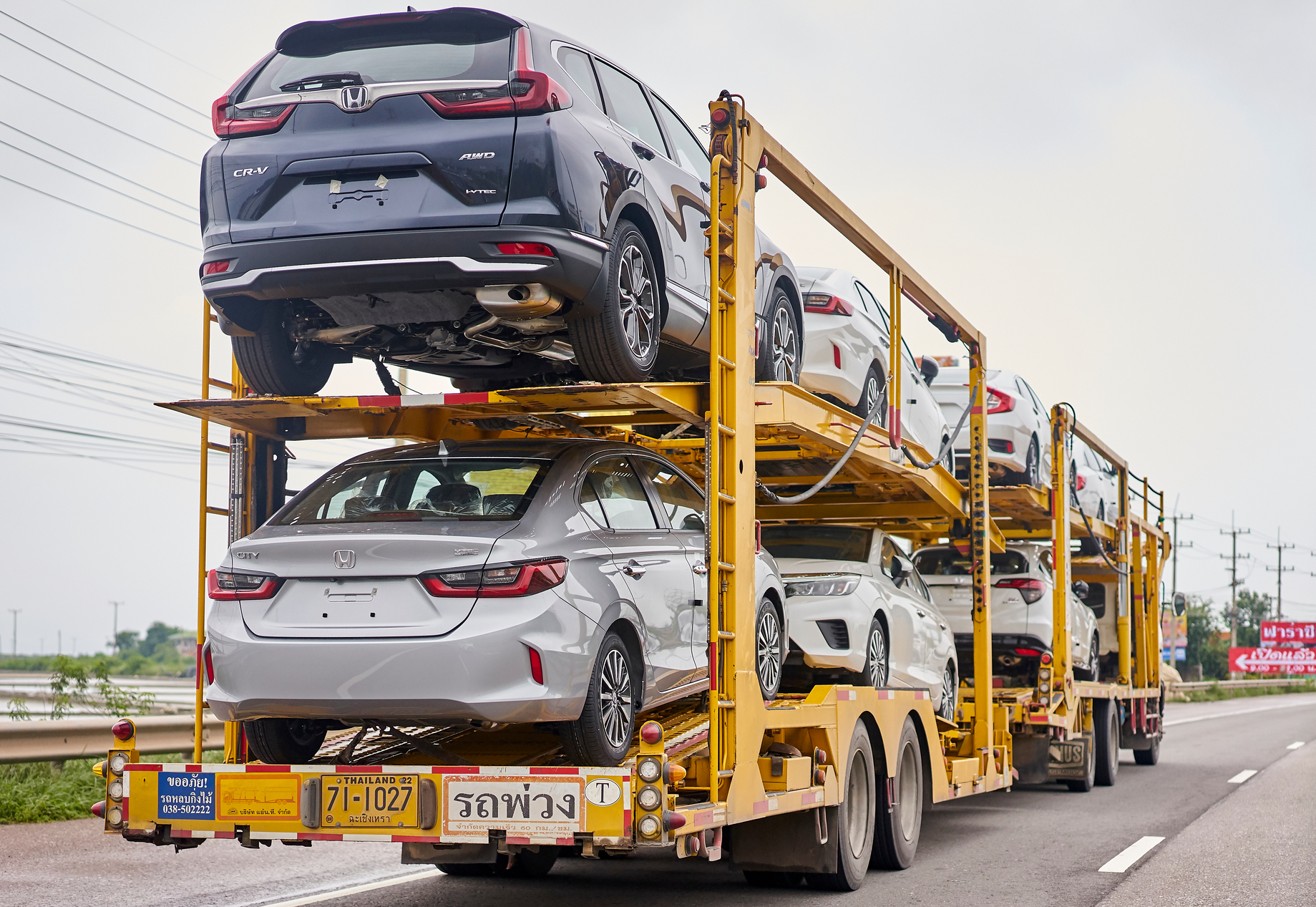
Honda warns that doubling U.S. tariffs on Canadian-built vehicles would be catastrophic for the entire auto industry.
Jennifer Thomas, senior vice president of corporate affairs at American Honda Motor Co., said a planned U.S. tariff increase on Canadian autos and steel would be “Catastrophic” for the industry. She spoke on Tuesday, October 27, at the Reuters Automotive USA conference in Detroit.
The increase is due on January 1, 2027. It would raise the U.S. tariff on Canadian autos from 25% to 50%. President Donald Trump announced the plan on August 24 in a Truth Social post, and it also covers auto parts and steel. The current 25% rate applies to the non-U.S. content of imported autos, and Canadian steel already faces a tariff of up to 50%.
Thomas said she is cautiously optimistic that the increase will be avoided. The U.S. and Canada are working on a deal to ease tariffs on Canadian steel and autos. However, earlier talks between the two countries collapsed in August 2026.
Honda wants the three-country North American trade agreement to stay in place. Thomas said the U.S. industry needs it to remain competitive. The auto industries of the three countries are closely linked, and higher tariffs could raise costs and change where automakers such as Honda build new plants.
Toyota and Honda build more vehicles in Canada than any other automakers, and the figures show how exposed they are:
- Together they build about 76% of the vehicles assembled in Canada and employ more than 60% of the country’s auto assembly workers.
- A Barclays analysis found that about 25% of the vehicles Honda sold in the U.S. in 2025 were built in Canada. Toyota’s figure was 17%. These were the highest shares among major global automakers.
- Honda’s complex in Alliston, Ontario, employs more than 4,000 people and assembles the Civic and CR-V. About three-quarters of the roughly 400,000 vehicles it builds each year are exported to the U.S.
Analysts expect the tariff to fall heavily on the two Japanese automakers. They both may end up bearing the cost.
The trade agreement includes rules of origin, which set North American content requirements for vehicles to qualify for benefits. Thomas and other executives said other U.S. trade deals have no such rules, and Thomas said North America is at an unfair disadvantage.
In talks with Mexico, the U.S. has asked that North American-built vehicles carry 50% U.S.-specific content. Sources told Reuters this would raise the required regional content to 82%.
In August, Honda said it may not build an eighth assembly plant in North America unless the agreement is extended. Thomas said Honda is at capacity, is exploring all options, and will keep investing in the U.S.
As of October 29, the January 1 increase had not taken effect, and the two governments were still negotiating.