How to Use Regenerative Braking to Maximize EV Range
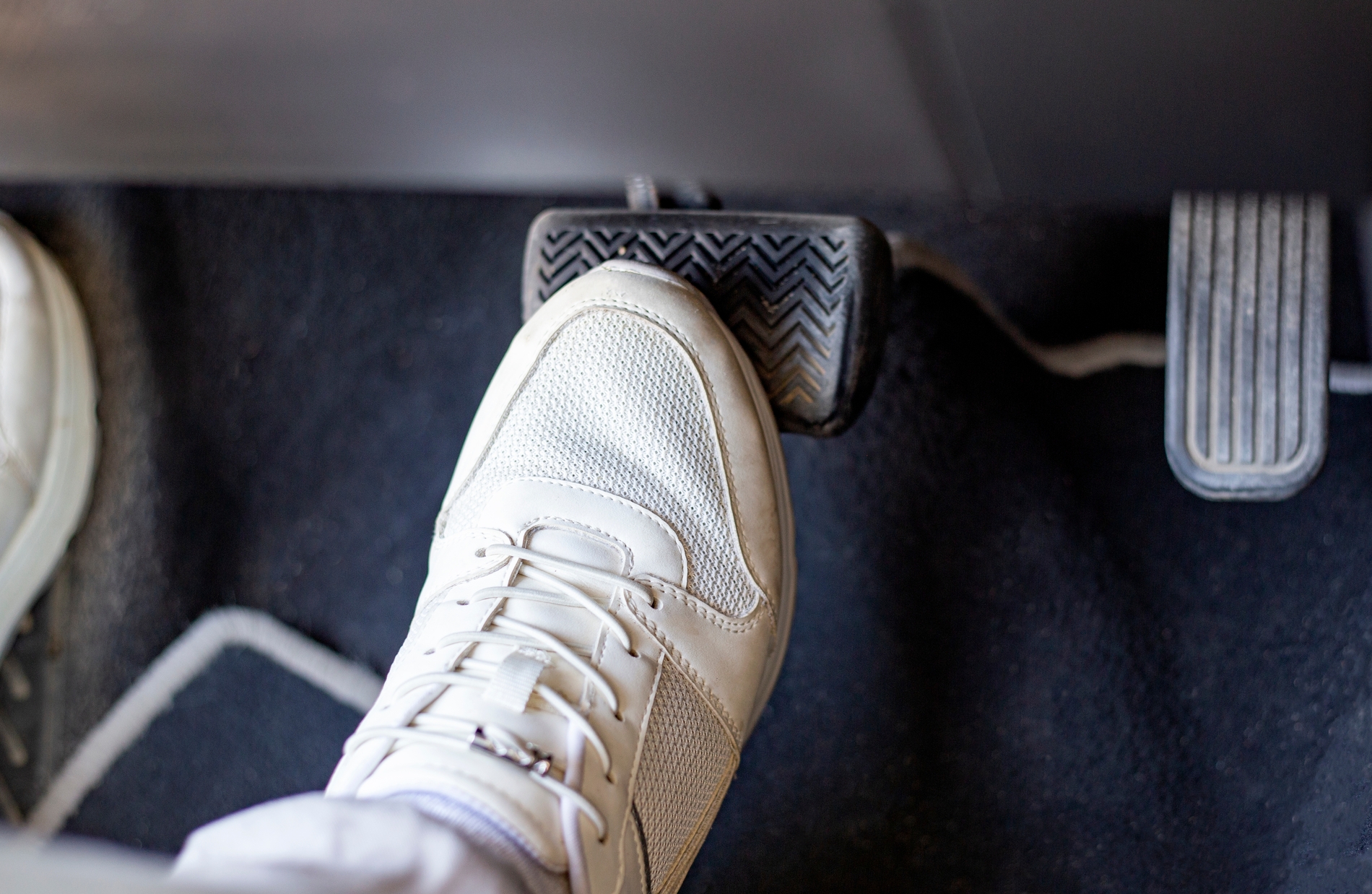
The way you press the brake pedal to slow down your EV determines whether that energy recharges the battery or is lost as heat.
Regenerative braking is a process used in electric and hybrid vehicles that converts a moving vehicle’s kinetic energy into electrical energy when you apply the brakes or release the accelerator. This energy is stored in the battery and reused to power the vehicle. However, only 45 to 70% of that energy is recovered, and the rest is wasted as heat.
You can maximize the recovery by avoiding unnecessary braking and using regenerative braking whenever you must slow down. The following five tips explain how to do this.
Tip #1: Choose the Right Regen Level for the Road
Many electric vehicles (EVs) allow you to adjust the strength of regenerative braking. Some also offer one-pedal driving, which lets you slow down or stop by releasing the accelerator.
The best regen level depends on where you are driving.
1. City Driving (Frequent Stops)
Use a high regen level.
In city traffic, you often need to slow down or stop because of traffic lights, traffic jams, and other vehicles. A high regen level helps recover more energy while slowing down, instead of wasting it as heat in the brakes.
2. Highway Driving (Wide Roads)
Use a low regen level.
On highways, you usually want to maintain a steady speed. A low regen level lets the car coast farther when you release the accelerator, helping you avoid unnecessary speed ups and downs.
Point to Ponder: Is One-Pedal Driving More Efficient?
It depends on the driving conditions. If you need to slow down, regenerative braking is usually better than using the regular brakes. But if you don’t need to slow down, coasting to maintain speed is often better than braking and then accelerating again.
Tip #2: Slow Down Early and Gradually
- Lift your foot off the accelerator as soon as you see a reason to slow down. Planning early to slow down lets regen braking recover max energy instead of you relying on the brake pedal.
- Brake smoothly because road slope, vehicle speed, and braking intensity affect regen braking efficiency, and friction brakes take over when regen braking isn’t enough.
- When going downhill, use a high regen level to recover energy, including some of what you spent driving uphill, as long as the battery has room to store it.
- Accelerate gently. Regen braking returns only part of the energy, so hard acceleration followed by late braking costs more than steady driving.
Tip #3: Check Battery Level and Temperature Before You Drive
Regen braking may not work when the battery is fully charged, or the weather is too cold.
- Avoid charging to 100% for daily driving; keep it at 80%. Only charge fully when you need to drive a long route.
- Be careful if your route starts with constant downhill stretches. Regen will not work on a fully charged battery, so the friction brakes must handle that first descent.
- Precondition your vehicle while plugged in 20 to 30 minutes before driving, using charger power, to warm the battery and cabin and improve range and regen braking performance.
- In cold weather, regen braking is usually weakest during the first minutes of a trip, until the battery warms up. If a low regen power message appears, slow down earlier and leave more distance between you and the vehicle in front.
Tip #4: Reduce Regen Braking Level When Traction Is Poor
On slippery roads, releasing the accelerator can apply regen braking before you touch the brake pedal, causing the vehicle to skid. So, turn off regen braking or set it to level 1 on slippery or snowy roads. Use the brake pedal for emergency stops.
Tip #5: Keep the Friction Brakes in Working Order
Because regen braking handles most of the work in Hybrids and EVs, friction brakes are used rarely. Over time, rotors can rust, brake fluid can leak, and the hydraulic system may fail. Moreover, pads and calipers may never get hot enough to clear moisture and corrosion.
Therefore, when it is safe, press the brake pedal firmly from moderate speed now and then to clean the pads and rotors.
How Much Extra Range Can You Expect?
The amount of extra range you gain from regenerative braking depends on your driving conditions, battery temperature, route, and driving style. Stop-and-go traffic and hilly roads offer more opportunities to recover energy, while highway driving provides fewer chances to use regenerative braking.
To get the most out of your EV’s battery, use regenerative braking when you need to slow down and, whenever possible, maintain a steady speed. Remember, regenerative braking helps improve efficiency, but the amount of energy recovered and the extra distance you can travel will vary from trip to trip.