What Makes the 2026 Equinox EV the Best Affordable Electric SUV?
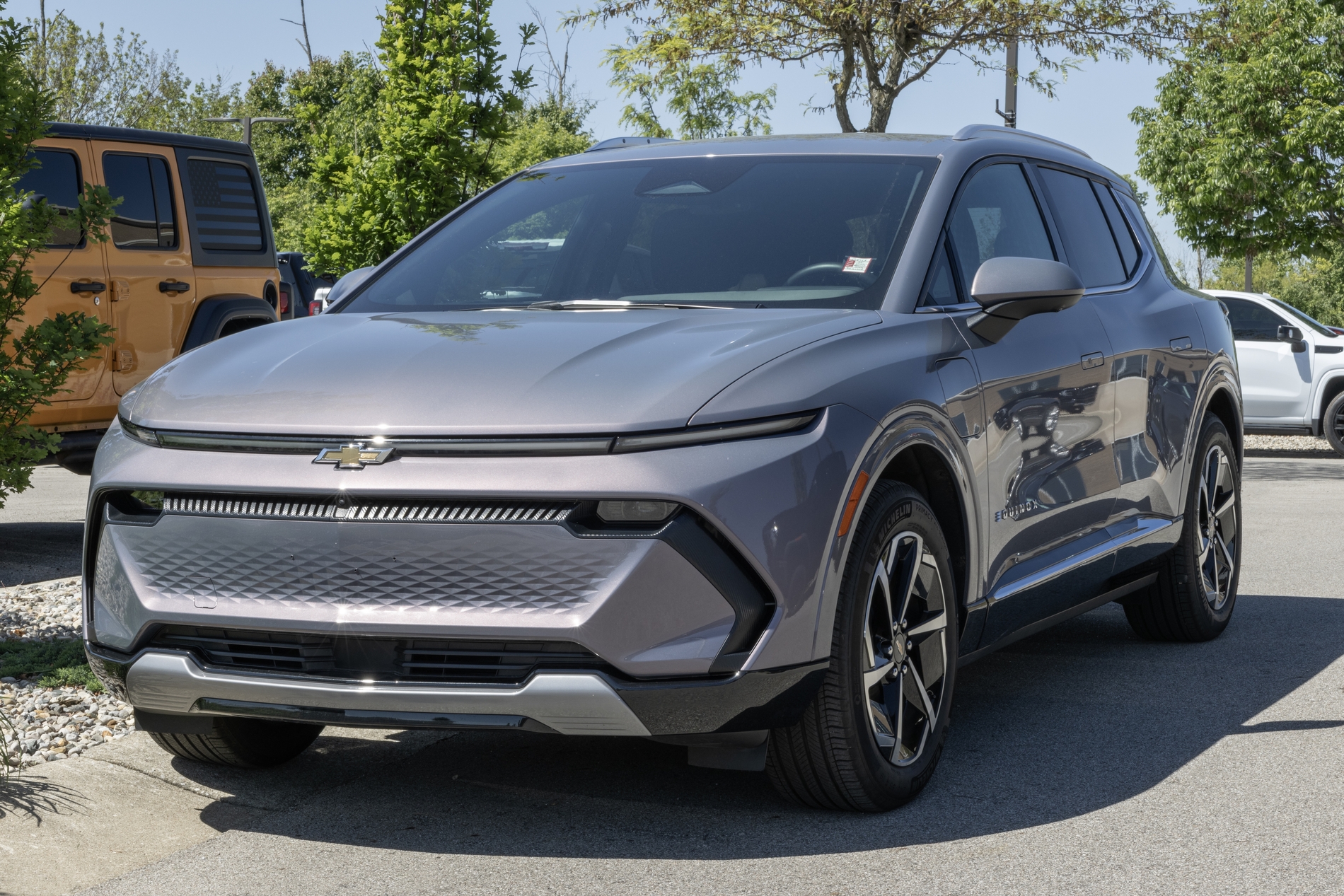
My Chevy Equinox EV proved that “affordable” and “electric” don’t have to be opposites.
I’ve been driving the 2026 Equinox EV for several months now, and I still catch myself checking the price tag in disbelief. Electric SUVs usually cost a small fortune, but mine came in under $37,000, and it does almost everything I expect from a family SUV.
After all this time behind the wheel, I understand why so many owners in Equinox EV social forums and Facebook groups say the same thing I do: “This is the EV that finally makes zero-emission driving realistic for a budget.”
The Price Makes Sense
My Equinox EV is the LT1 trim, and here’s how the full lineup breaks down:
| Trim | Starting Price | EPA Range |
| LT1 (FWD) | $36,795 | 319 miles |
| LT2 (FWD) | $42,595 | 319 miles |
| RS (FWD) | $44,895 | 319 miles |
I went with the LT1. It’s the one most owners seem to be choosing, and it’s also the one that keeps this SUV genuinely affordable instead of creeping toward $40,000.
I have to be honest about one thing here. The federal $7,500 EV tax credit expired at the end of September 2025, so I did not get that discount, and buyers shopping now shouldn’t expect it either. Even without it, the 2026 Equinox EV still undercuts most of its electric SUV competition.
Tesla Model Y starts above $41,000. Honda Prologue starts near $47,000. The Hyundai Ioniq 5 starts around $35,000, but that base version has a smaller battery and less range than the Equinox EV. When I compare what I paid to what I get in range and space, the Chevy Equinox EV still comes out ahead on value, even without the tax credit.
Range Has Impressed Me
My Equinox EV LT1 is rated for 319 miles, and in mixed daily driving I generally see numbers close to that. On a highway trip earlier this year, I left home at 86% charge and made it over 350 miles before I needed to plug in again. That matched what I’d read from other owners before I bought the car, and it’s held up in my own experience.
Winter is the exception. Like almost every EV owner I’ve talked to, I’ve noticed a range drop of 20 to 30% on the coldest days. I’ve learned to plan around it rather than fight it, but if you live somewhere with harsh winters, expect shorter range between November and March.
Charging at Home Is Simple, Charging on the Road Takes Patience
Charging at home overnight on a Level 2 charger is the best part of owning this car. I plug in when I get home, wake up to a full battery, and rarely think about gas stations anymore.
Public fast charging is where the Equinox EV shows its limits. It peaks at 150 kW, which is slower than what you’d get from a Hyundai Ioniq 5 or a Tesla Model Y. In practice, a 10 to 80% fast charge takes me about 40 to 50 minutes, depending on the charger and the weather. The upside is that GM’s NACS adapter lets me use Tesla Superchargers along with every other major network, so I’ve never struggled to find a place to charge, even on longer trips.
Comfortable to Drive, Not Built for Excitement
This isn’t a performance SUV, and I didn’t buy it expecting one. The LT1 (FWD) comes with a single-motor that makes 213 horsepower, which is enough for merging onto highways and everyday driving but nothing that will surprise you.
And I like the one-pedal driving this car offers. Once I got used to lifting my foot off the accelerator to slow down instead of braking, I started using it almost all the time. It’s smooth, predictable, and it extends my range a little further on top of everything else.
The ride is quiet and comfortable most of the time. I will say the suspension can feel stiff over rough pavement and potholes, which is the one part of the driving experience I’d change if I could. If you want to try GM’s Super Cruise hands-free driving system, know that it isn’t standard. It requires a safety package that costs around $2,700, and after an initial free trial period, it becomes a paid subscription. I added it, and on long highway drives it genuinely reduces fatigue.
As a family SUV, the Equinox EV holds up well day to day. The cargo space is generous, 27 cubic feet with the rear seats up and double that with them folded flat, so groceries, strollers, and weekend gear all fit without a fight. The one tradeoff of sharing an EV platform with other GM models is that there’s no frunk, so all the storage lives in the back.
The Big Screen Has One Big Gap
The 17.7-inch touchscreen is one of the first things people notice when they get in my car. It runs Android, so Google Maps and Google Assistant are baked into the system, and the built-in route planner has never let me down on a road trip.
To my surprise, there’s no Apple CarPlay or Android Auto. GM removed them from this generation of EVs, and I won’t pretend it wasn’t an adjustment. I’ve gotten used to the built-in apps, but if you rely heavily on CarPlay for messaging or specific apps, test-drive it and think it through before you buy. I’d also add that the standard audio system is fine for daily listening, but it’s nothing special, and you can’t upgrade it even on the top trim.
Software Glitches Are the Real Complaint, Not Reliability
After talking with other owners and reading owner forums, I’ve noticed a consistent pattern that matches my experience. The 2026 Chevy Equinox EV hasn’t given me any major mechanical problems. What it has given me is the occasional software hiccup, such as:
- A screen that freezes for a few seconds
- An over-the-air update that needs a second attempt to install
- A reboot that happens at an inconvenient moment
None of it has left me stranded, but it’s a part of ownership that I think buyers deserve to know about upfront. There have also been a few recalls worth checking on a used or new car, including a Pedestrian Alert Software fix and a tire defect on some 2025 and 2026 models, so I’d recommend confirming any recall work is done before you buy.
Where It Lands Against the Competition
I’ve driven a friend’s Ioniq 5 and sat in a Model Y at a dealership, so I don’t think my opinion is based on a single test drive. Here’s how the numbers actually stack up:
| Vehicle | Starting Price | EPA Range |
| Chevrolet Equinox EV LT1 | $36,795 | 319 miles |
| Hyundai Ioniq 5 SE Standard Range | $35,000 | 245 miles |
| Tesla Model Y Standard | $41,630 | 321 miles |
| Honda Prologue EX | $47,400 | 308 miles |
The Model Y rides a little better, and the Ioniq 5 charges faster and has a nicer interior, but both cost more than my Equinox EV when you compare similar range. The Honda Prologue looks great, but it starts more than $10,000 above mine. For the money, nothing else gets you this much usable range in this much space.
My Honest Verdict
I didn’t buy the Chevy Equinox EV because it’s flashy or fast. I bought it because it does the job of a family SUV, runs on electricity instead of gas, and didn’t require me to stretch my budget. The missing CarPlay and Android Auto support is a downside, and the occasional software bug is annoying enough that I understand why some owners complain about it. But after months of daily driving, road trips, and winter mornings, I still think this is the most sensible affordable electric SUV you can buy right now. It gets the fundamentals right, and for most people shopping in this price range, that matters more than anything else on the options list.