Is the 2026 Toyota bZ Toyota’s Best Electric Car Yet?
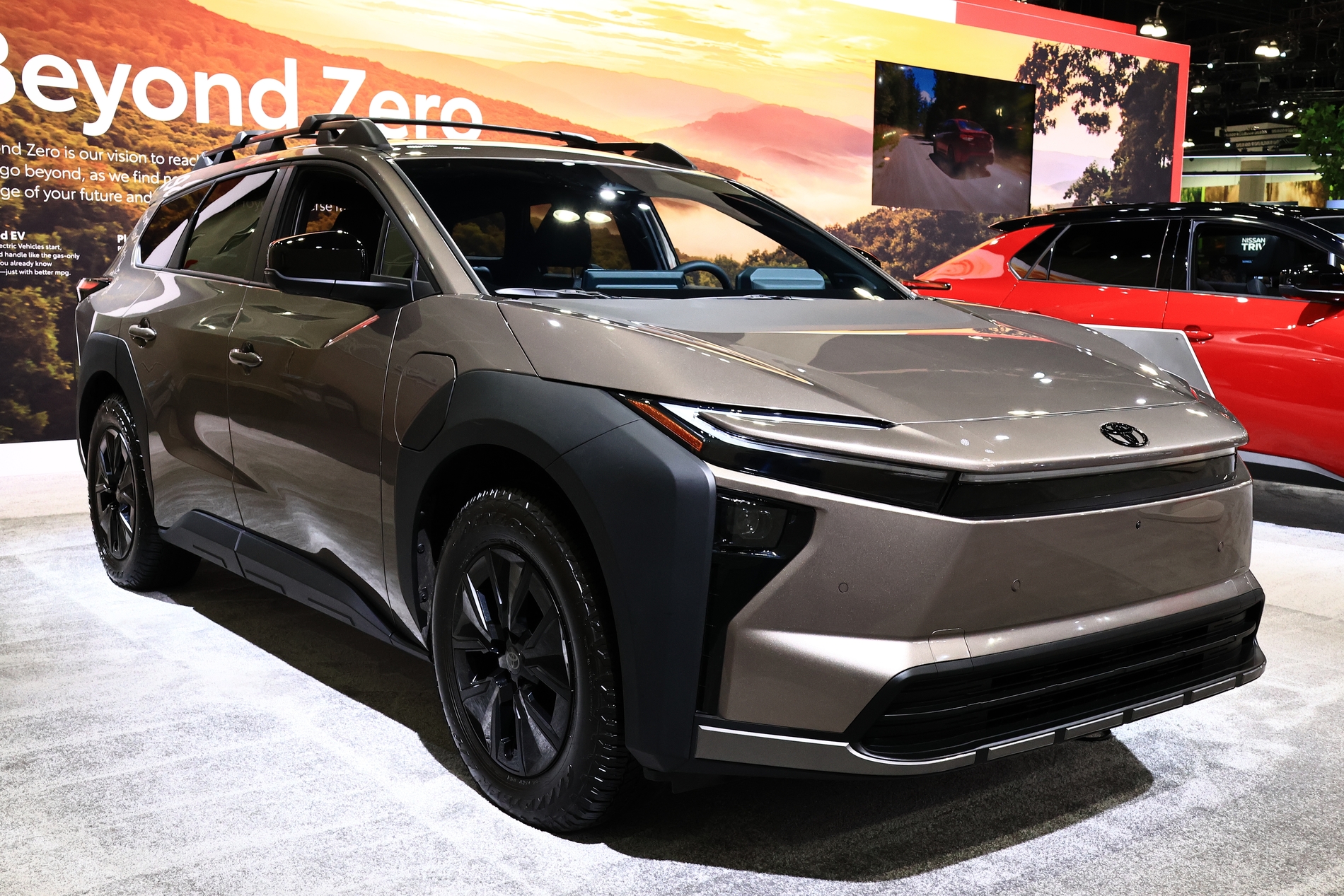
Toyota finally built an electric SUV I would actually recommend to a friend.
I have spent the last several months driving a 2026 Toyota bZ, and I still catch myself surprised by how normal it feels. Not normal in a boring way. Normal in the way a good Toyota is supposed to feel. It is predictable, comfortable, and easy to trust every time I get behind the wheel.
But there is a question I kept asking myself while driving it. Is this actually Toyota’s best electric car, or just its least disappointing one? After enough miles, I think I have the answer.
What Actually Changed For 2026
My bZ is an XLE Plus, front-wheel drive, with the larger 74.7-kWh battery pack. Toyota rates it at 314 miles of range, which is the longest of any bZ configuration. I chose this trim on purpose. It sits in the sweet spot between the base car and the Limited trim, and it is the version most reviewers and owners point to as the one to get.
For the 2026 bZ, Toyota swapped the old CCS charging port for a native NACS plug, the same one Tesla uses, so I can now pull up to a Supercharger without an adapter hanging off the front of my car. The motors got a power boost too. All-wheel-drive models now make 338 horsepower, up from 214 in the old bZ4X. Inside, the dashboard is also redesigned and has a larger 14-inch touchscreen. The cluttered look of the bZ4X cabin is also gone.
Driving It Every Day
This is not a sporty SUV, and I do not think Toyota was trying to make one. The ride is soft and controlled, the cabin is quiet at highway speed, and power delivery is smooth without any drama. I tested the AWD variant at the dealership, and it was genuinely quick. Toyota’s claimed 4.9-second 0-60 for the AWD felt believable. My own FWD car is more relaxed. Toyota quotes an 8-second 0-60 miles for the FWD models, and that matches how it feels in daily driving.
One thing I noticed early on is torque steer under hard acceleration in the front-wheel-drive car, a slight tug through the steering wheel when you get on the throttle from a stop. It is not dangerous, just a reminder that all that torque is going through the front tires alone. If I were considering again, I would look harder at the AWD version for that reason alone, even with the range penalty.
What I appreciate most day-to-day is how normal the controls are. There are buttons for climate control and volume. The gear selector is a dial you push and turn, and it has a tactile, mechanical feel that I did not expect to like as much as I do. After driving a few other EVs with touch-only controls, getting back into something this straightforward feels like a relief rather than a step backward.
Living With The Interior and Tech
The seats are comfortable enough for long drives, and rear-seat space is reasonable for a compact SUV. The cabin materials are a mixed bag. There is a lot of hard black plastic in the doors and dash, and I’ve come across complaints of rattles and small panel gaps on early-build cars. Mine has been quiet so far, but I would not call that guaranteed based on what other owners describe.
The bigger issue is software. Toyota’s newer Arene infotainment system, the one that debuted on the redesigned RAV4, is not in the bZ yet. I am stuck with the older system, and the biggest gap is the lack of built-in EV route planning. If I type in a long trip, the car gives me an arrival time as if I were driving a gas vehicle, with no automatic stops for charging along the way. I have to plan charging stops myself using Toyota’s phone app, which works fine but feels unnecessary for a basic task on a modern EV. Toyota has not said whether or when this car will get the updated software, which is frustrating given that its own gas-powered sibling already has it.
Toyota Safety Sense 3.0 comes standard, and most of the driver-assist features work well. The exception is the automatic emergency braking, which some owners, myself included on many occasions, have found overly cautious. It is the kind of thing you can learn to work around, but it caught me off guard the first time it happened.
Range and Prices
Here is how the lineup breaks down by trim, along with current pricing including destination:
- XLE FWD: 236 miles, 168 hp, 57.7-kWh battery, from $36,350
- XLE Plus FWD: 314 miles, 221 hp, 74.7-kWh battery, from $39,350
- XLE AWD: 288 miles, 338 hp, 74.7-kWh battery, from $41,350
- Limited FWD: 299 miles, 221 hp, 74.7-kWh battery, from $44,750
- Limited AWD: 278 miles, 338 hp, 74.7-kWh battery, from $46,750
Those numbers are EPA estimates. In mild conditions, I have come close to the rated number. In cold weather, other owners have reported losing 40 to 70 miles off the top-end estimate, which lines up with what I have seen on the coldest mornings.
Charging Is The Real Fix
This is where the 2026 model is genuinely different from the old bZ4X, not just updated. The native NACS port gives me access to Tesla’s Supercharger network, and Toyota rates peak DC fast-charging at 150 kilowatts, good for a 10 to 80% charge in about 30 minutes. In practice, I have seen charging sessions finish in that range or a little faster, and other owners report similar results.
That is still not the fastest in this class. Hyundai and Kia’s electric SUVs charge quicker. But it is a massive improvement over the old bZ4X, which was infamous for slow charging and could not even fast-charge more than twice in 24 hours.
At home, the bZ now uses an 11-kilowatt onboard charger, up from the old 7-kilowatt unit, which brings a full charge on a Level 2 home charger down to around seven hours. That is fast enough that I plug in overnight and never think about it.
Build Quality and Reliability
The previous bZ4X did not have a clean record. It was recalled for an HVAC and defroster software defect, and it built a reputation among owners for occasional dead 12-volt batteries and finicky charging behavior, on top of the earlier wheel-hub recall that made headlines. The 2026 bZ is a substantially reworked car underneath, and Toyota clearly used owner feedback to fix the biggest complaints. Still, there isn’t yet enough time and mileage on this generation to know whether the deeper reliability issues are behind it.
What I can say is that Toyota backs the bZ with coverage:
- 3-year/36,000-mile basic warranty
- 5-year/60,000-mile powertrain warranty
- 8-year/100,000-mile battery warranty, guaranteeing at least 70 percent capacity
- 2-year/25,000-mile complimentary scheduled maintenance through ToyotaCare
That warranty is reassuring, especially the battery coverage, but it is also a reminder that Toyota expects some of these components to need attention over time, same as any EV maker.
Pricing and Value
The 2026 bZ costs less than the outgoing model, and it is priced close to a well-equipped gas-powered RAV4, which is a smart way to position an EV for someone cross-shopping both. One thing to know before you shop is that the federal $7,500 EV tax credit ended for vehicles acquired after September 30, 2025, so it is no longer part of the math for most buyers in 2026.
Depending on where you live, state or local incentives may still apply, and Toyota has been running its own cash rebates and low-APR financing offers on the bZ, so it is worth asking your dealer what is currently available. It is also worth remembering that many states charge extra annual registration fees for EVs, which quietly eats into some of the fuel savings.
My Verdict
Is the 2026 bZ Toyota’s best electric car yet? Without question, yes. It fixes nearly everything that made the bZ4X hard to recommend. Whether it is the best electric SUV you can buy for the money depends on what you value most. If you want a comfortable, no-drama EV backed by a brand you already trust, with a payment close to what you would pay for a gas RAV4, this is an easy car to recommend. If you want the fastest charging, the most cargo room, or the sharpest infotainment, some competitors still do those things better right now.
Would I buy one again? Probably yes. It is finally the kind of Toyota EV I hoped for the first time around, even if a few rough edges remind me it is still a first-generation product wearing a second-generation name.