How to Stop a Windshield Crack from Spreading

A tiny chip can quickly turn into a crack across your entire windshield.
Windshield cracks rarely stay the same size. Once the outer layer of the glass is broken, temperature fluctuations, road vibration, and moisture can make the crack spread. You can slow down this process and, in many cases, stop it before the damage grows too large to repair.
This guide explains why windshield cracks spread, how to keep them from getting worse, and when a repair is enough instead of replacing the whole windshield.
Why Windshield Cracks Spread
A windshield is made of laminated glass. It consists of two sheets of glass bonded to a thin plastic layer in between, called PVB (Polyvinyl Butyral). When a rock or piece of road debris hits the glass, it usually only breaks the outer sheet, leaving a chip or short crack. That crack becomes a weak point in an otherwise strong pane, and normal impacts that the glass would absorb start to concentrate there instead.
1. Temperature Changes Are the Biggest Cause

Glass expands slightly when it heats up and contracts when it cools down. Because a windshield is exposed to sun, shade, and airflow at the same time, different parts of the glass often sit at different temperatures within the same few inches. That uneven expansion pulls at the edges of a crack and can widen it, sometimes in seconds. For example, using a hot defroster on a cold frozen windshield or blasting cold AC on hot glass can make the damage worse.
2. Driving Adds Physical Stress

Bumps, air pressure, and moisture buildup can make the crack spread as well:
- Potholes and rough pavement jolt the car’s frame, and the windshield flexes slightly along with it.
- Closing a door or trunk firmly can flex the body enough to put pressure on the glass.
- Dirt and water that settle into an open crack keep it from sitting flush, and they expand and contract with temperature just like the glass does, adding another source of stress.
How to Slow Down Windshield Cracks Spread
None of the following stop a crack from spreading permanently, but they reduce the everyday stress that makes it worse while you arrange a repair.
- Park in a garage or shaded spot when you can.
- Let the defroster and air conditioner warm or cool the cabin gradually.
- Skip automatic car washes, especially ones with hot wax or high-pressure rinse.
- Avoid potholes and rough roads where you can, and close doors and the trunk gently.
Temporary DIY Fixes You Can Apply
If you cannot get to a repair shop right away, a few store-bought products can slow a windshield crack down. None of them are a permanent solution, and one of them can make a professional repair harder later, so it helps to know the tradeoffs before you reach for anything.
1. Clear Tape as a Barrier
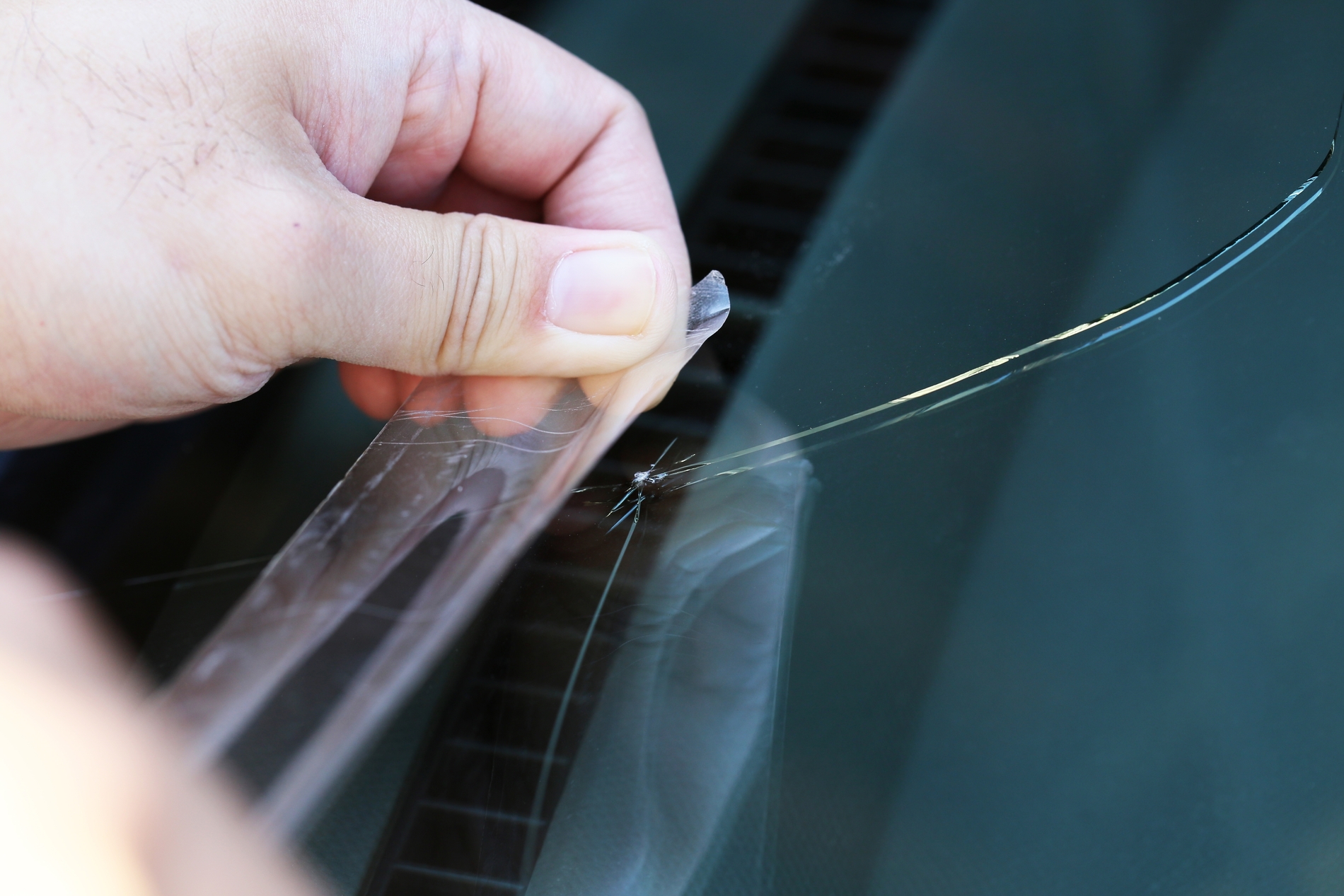
Placing a strip of clear packing tape or a purpose-made windshield seal over the crack keeps dirt and moisture from settling into it.
Clean and dry the glass first, then press the tape down firmly so no air pockets remain. Apply tape to the inside of the windshield too if you can reach it.
Tape will not relieve the temperature and vibration stress that actually spreads a crack, so treat it as a way to keep the crack from collecting more dirt, not as a fix. If the crack already has debris or moisture inside it, taping over it can trap that material rather than keep it out, so clean the area thoroughly before covering it.
2. Clear Nail Polish or Super Glue

Both products can fill a thin crack and hold it together for a week or two.
Clean the glass with soap and water or an alcohol wipe and let it dry fully. Then apply a thin, even layer of clear nail polish, or a small drop of super glue, directly into the crack using the brush or a dropper. Wipe away any excess before it dries, and avoid pressing on the glass while it cures.
Caution: Use this option only as a last resort. Once nail polish or super glue hardens inside a crack, it is very difficult for a technician to remove. That can prevent a shop from doing a proper resin repair afterward, which means a small crack that could have been repaired cheaply may end up needing a full replacement instead.
3. DIY Windshield Repair Kits

A repair kit is a better option than nail polish or super glue because it is built specifically for this job and, on small damage, can hold up about as well as a professional repair. Most kits follow the same basic process:
- Clean the damaged area with glass cleaner and a microfiber cloth, then use the pick or pin included in the kit to remove any loose glass fragments.
- Center the adhesive pedestal or applicator over the chip or crack and press it down firmly to form a seal.
- Attach the injector and add a few drops of resin as the instructions describe.
- Use the plunger to cycle vacuum and pressure. This step pulls trapped air out of the crack and draws resin in to fill it.
- Park the car in direct sunlight, or use a UV lamp if it is cloudy, and let the resin cure. This usually takes fifteen to thirty minutes, longer without direct sun.
- Peel off the curing strip, then scrape away any hardened excess resin with a razor blade held flat against the glass, and buff the area with a clean cloth.
These kits work best on chips smaller than a quarter and cracks under about three inches. Damage larger than that, or damage that reaches the inner layer of the glass, is beyond what a store-bought kit is built to handle.
How to Know if a Windshield Crack Can Be Repaired
Whether a crack can be repaired or needs a full windshield replacement usually comes down to 4 factors:
- Size: Cracks longer than six inches, roughly the length of a dollar bill, usually need to be replaced, though it is worth getting an assessment.
- Location: A crack that reaches the edge of the windshield weakens the seal that holds the glass in its frame, so these are usually replaced even when they are short.
- Depth: A windshield has two layers of glass bonded to a plastic interlayer. Damage limited to the outer layer can often be repaired. Damage that reaches the inner layer cannot.
- Line of sight: Even a well-done repair leaves a small blemish. In the driver’s direct line of sight, that blemish can cause glare or slight distortion, so many shops recommend replacement in this area regardless of size.
On newer vehicles with a forward-facing camera mounted near the windshield for lane-keeping assist or automatic emergency braking, a replacement usually needs to be followed by a recalibration of that camera so the safety systems continue to work correctly.
Why You Shouldn’t Wait
A windshield does not only block wind and rain. It contributes to the strength of the vehicle’s roof in a rollover, and on most vehicles it acts as a backstop that helps direct the passenger airbag toward the passenger during a crash. A long or spreading crack weakens both of these functions. It can also create glare at night and, in many states, a crack in the driver’s direct view can fail a vehicle inspection or draw a citation.
There is a cost argument for acting quickly as well. A repair that costs comparatively little today can turn into a full replacement if the crack is left to spread past the point a shop is willing to repair. Most repairs also take less than an hour, while a replacement takes considerably longer and, on newer vehicles, may include camera recalibration.
If you notice a new chip or crack, treat it as something to handle this week, not something to put off.