My 5,000-Mile Experience With the 2025 Honda CR-V Hybrid
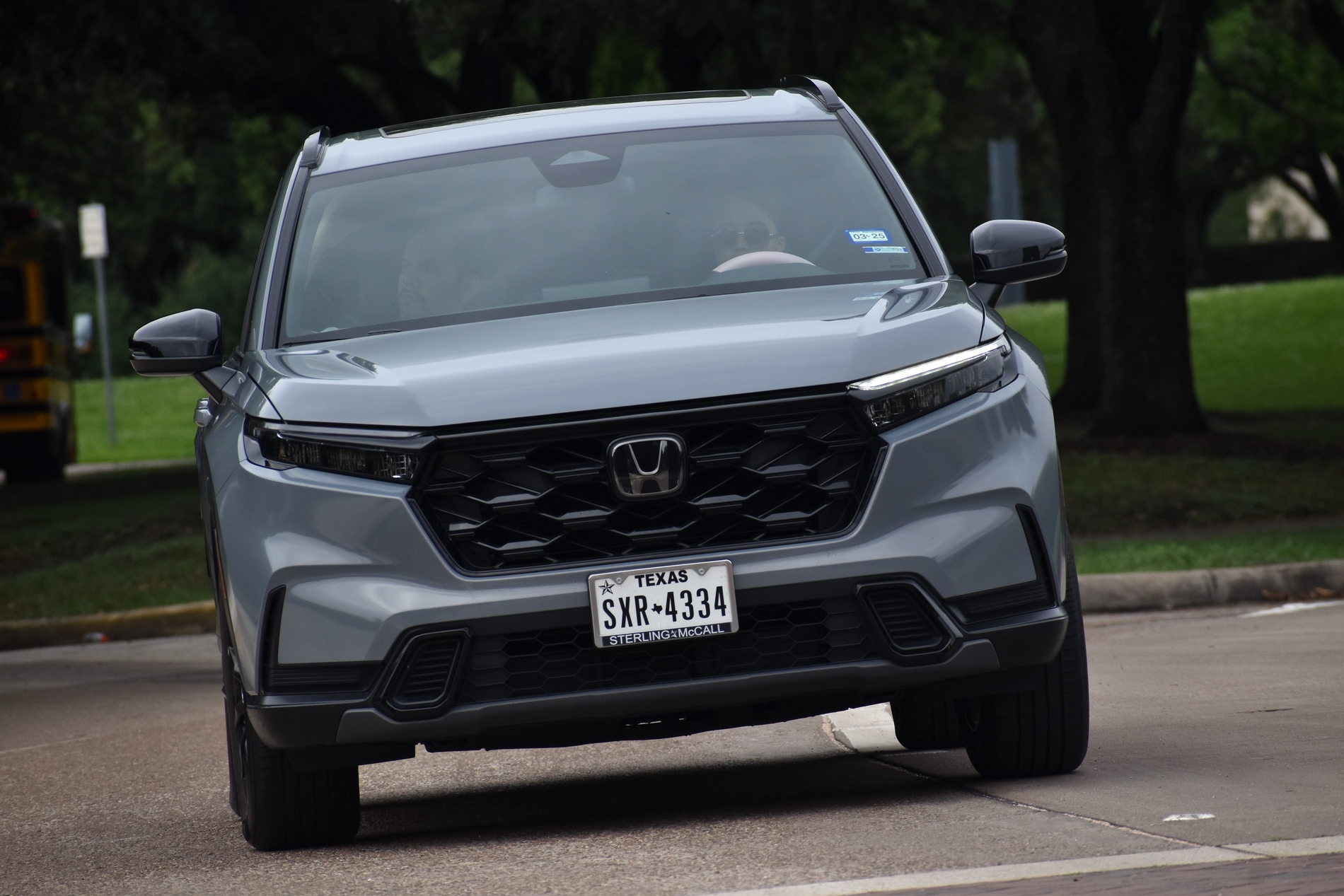
After four months and 5,000 miles, I’m here to tell you whether the 2025 Honda CR-V Hybrid is worth your money.
I did not buy this car brand new. By the time I started looking for a car, I had read enough owner forums to know that buying lightly used would save money. So I found a 2025 CR-V Hybrid Sport-L with all-wheel drive that had about 600 miles on the odometer, a clean title, and no accident history. I paid $32,800 for it. A new Sport-L with AWD starts at $37,500 before tax, so I felt good about the deal.
Why I picked the Hybrid over the gas model
The 2025 Honda CR-V is offered in two different powertrains. The regular version has a 1.5-liter turbo engine producing 190 horsepower. The Hybrid comes with a 2.0-liter engine paired with two electric motors, putting out 204 horsepower. The all-wheel-drive Hybrid gets 40 mpg in the city, 34 mpg on the highway, and 37 mpg combined. The front-wheel-drive model does even better, with 43 mpg in the city and 36 mpg on the highway. Since approx 60% of my driving is in the city, choosing the Hybrid made sense, even though it costs more upfront.
What 5,000 miles of driving actually gets you
After 4 months of driving, I’m averaging 37.4 mpg. Fuel economy dropped to the low 30s on cold mornings, but during a long highway trip, it improved to over 39 mpg. City driving is where this car gives its best. Around town, the engine shuts off completely below 25 mph, and you ride along on electric power with almost no noise. The transition between electric motors and the engine is smooth enough that most passengers do not notice it happening.
On the highway, the advantage shrinks. Once you are cruising at 70 mph, the gas engine is doing most of the work, and the mpg comes closer to what a good non-hybrid compact SUV would get.
Driving feel
The car is comfortable and easy to drive every day. The steering has a bit of weight to it, which I like, and the suspension is tuned firm enough to handle bumps well while staying stable in corners. Braking feels natural, not grabby like some hybrids with aggressive regenerative braking. Around town, acceleration is quick and confident, but with max passengers, it feels underpowered when merging onto fast highways. Several owners on the Honda CR-V Owners Club forum reported the same thing, and my experience matches theirs.
The interior
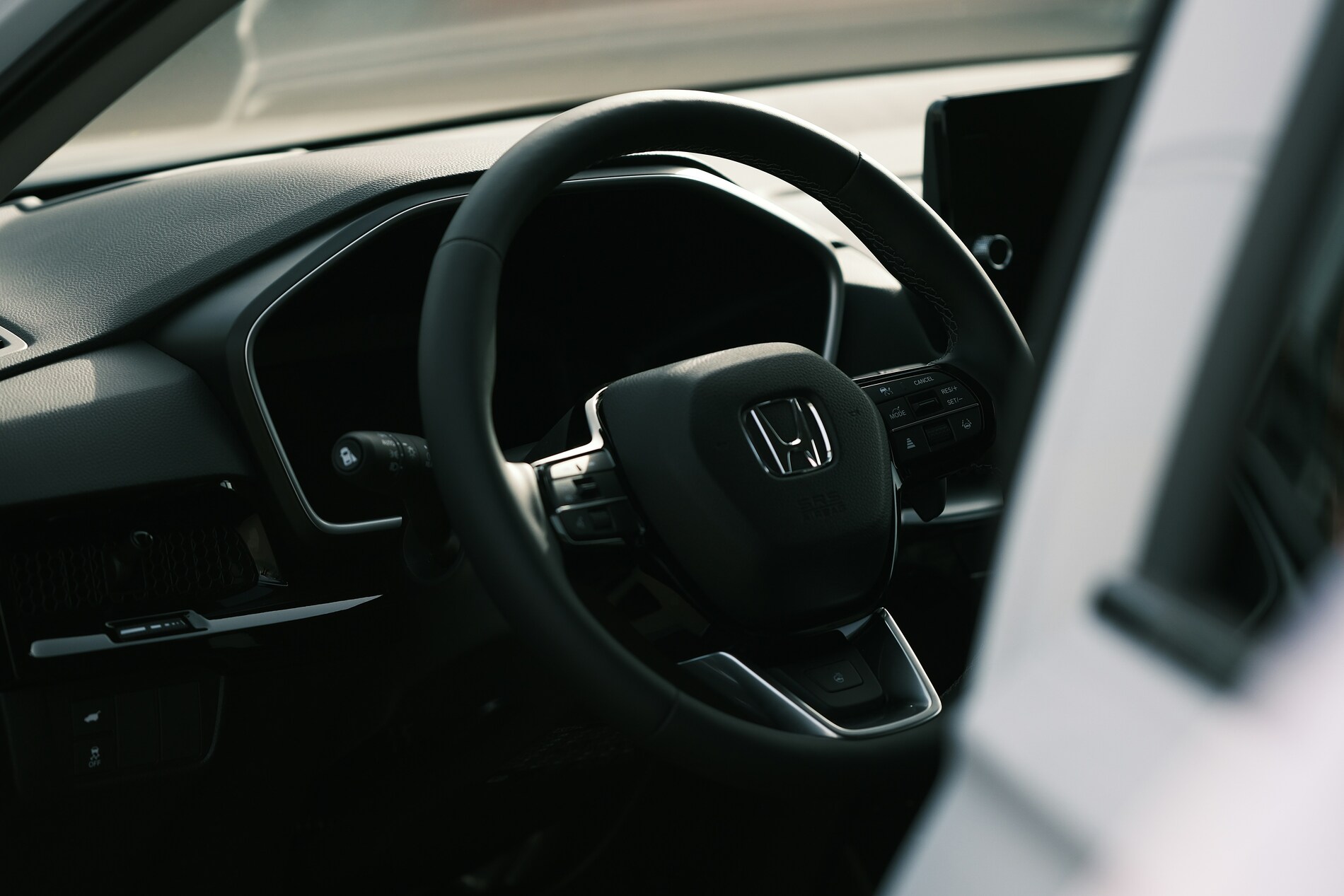
The cabin feels more premium than you’d expect for the price. My Sport-L comes with leather seats, heated front seats, a power tailgate, and a 9-inch touchscreen that’s much better than the 7-inch screen in the base Sport trim. If you’re buying a used CR-V Hybrid, check the trim level carefully because the larger screen makes a noticeable difference in everyday use.
Two things I don’t like:
- The front seats aren’t as comfortable on long drives as I expected. I started noticing it after spending more time behind the wheel.
- The Apple CarPlay information in the driver’s display sometimes freezes, even though the main touchscreen keeps working normally.
Cargo space and the missing spare tire
Cargo space is genuinely good for this class. Honda says 36.3 cubic feet behind the rear seats and 76.5 cubic feet with them folded flat, and in practice I have fit a full set of camping gear plus two duffel bags without needing the roof rails.
But you will not get a spare tire. Like most hybrids in this segment, mine came with a sealant and inflator kit instead. I bought a compact spare wheel and tire separately for about $400 and keep it in the cargo area for road trips, since a sidewall puncture in the middle of nowhere is not something I can fix with sealant.
And if you need to tow anything heavier than a small trailer, this is not the right vehicle for you. The CR-V Hybrid is rated for just 1,000 pounds, well below what many competitors offer. I do not tow, so this has not affected me.
Recalls I had to deal with
Buying a 2025 model means dealing with 2025 problems, and this car has had its share of recalls:
- Steering gearbox recall, addressing incorrectly assembled gearboxes that could cause excessive friction while turning. This one was done at my dealer in about an hour.
- High-pressure fuel pump recall, tied to a possible crack and fuel leak risk.
- Fuel feed hose recall, covering a smaller batch of 2025 Hybrid units where the hose may not have been installed correctly. I checked my VIN on the NHTSA website, and mine was not affected by this one.
None of these issues left me stranded, and Honda’s response was fast each time. Still, it is worth knowing going in that this generation has had more recalls than I expected from a brand with Honda’s reputation. If you are buying used, checking your VIN against open recalls before you sign anything is a smart move.
How it stacks up against the Toyota RAV4 Hybrid
Before buying the CR-V Hybrid, I also considered the Toyota RAV4 Hybrid. The RAV4 Hybrid was a few thousand bucks cheaper and has a slight edge in fuel economy and resale value. Toyota also backs its hybrid battery for 10 years or 150,000 miles, compared to Honda’s 8 years or 100,000 miles. What pulled me toward the CR-V was the driving experience. It feels quieter, smoother, and more composed on rough roads.
Would I recommend it?
Absolutely. Buying a slightly used 2025 Honda CR-V Hybrid saved me money while still getting an almost new vehicle. If you’re looking for one, check the service history, make sure any recalls have been completed, and inspect the overall condition before buying.
After 5,000 miles, I have no regrets. Fuel economy has been consistently good, the ride is comfortable, and the cabin still feels well-built. The front seats could be more comfortable, and the occasional infotainment glitch is a minor annoyance, but neither issue would stop me from recommending it.