We Drove the 2027 Rivian R2 Performance with Launch Package
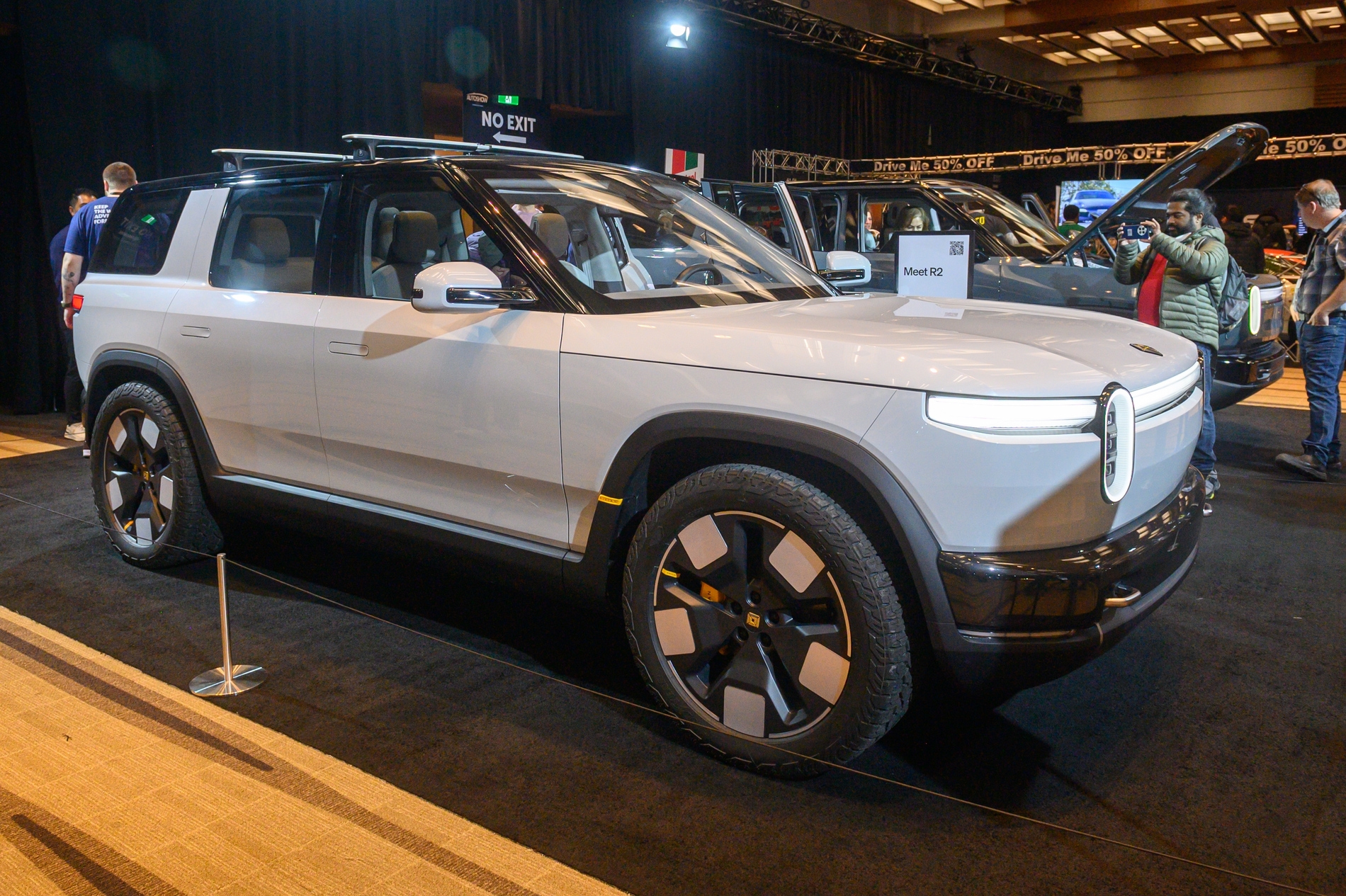
The R2 is the most exciting car Rivian has ever built, and it might also be their best.
Rivian gave us a full day with the R2 Performance in its Launch Package spec on tarmac, in canyons, and on loose-dirt trails in Park City, Utah. And we are here to tell you the truth about this vehicle.
The Rivian R1S is an outstanding electric SUV, but it’s also enormous and expensive. The R2 is Rivian’s attempt to play in the most competitive segment of the car market: compact crossovers. At 185.9 inches long, it goes head-to-head with the Toyota RAV4 and Tesla Model Y.
The R2 comes in three powertrain configurations, with the Performance trim at the top, featuring dual motors producing 656 horsepower and 609 lb-ft of torque, and achieving 60 mph in 3.6 seconds.
Every R2 Performance Launch Package starts at $59,485 and comes with a lifetime subscription to Autonomy+, a unique Rivian Green key fob, and the exclusive Launch Green paint option.
View this post on Instagram
The Look
You will identify this as a Rivian immediately. The resemblance to the R1S is unmistakable, which is intentional. The signature front-and-back lighting is there, but the cuts are more refined, and the vertical headlights are shorter. The front fenders carry Rivian-branded turn signal indicators. There is no trim around the door glass or roof, keeping it seamless and aerodynamic.
The Performance trim comes with 21-inch turbofan-style alloy wheels to echo the look of a rally car. In Launch Green, it looks even more special. This is not a car that is hard to find in a parking lot.
One detail we love is that the rear glass on the hatch drops down into the tailgate, like in a Toyota 4Runner. It makes the cargo area more usable and is one of the best ideas anyone has put into an SUV recently.
The rear wiper for the tailgate is hidden inside the tailgate itself, a design we have never seen on any SUV.
Inside
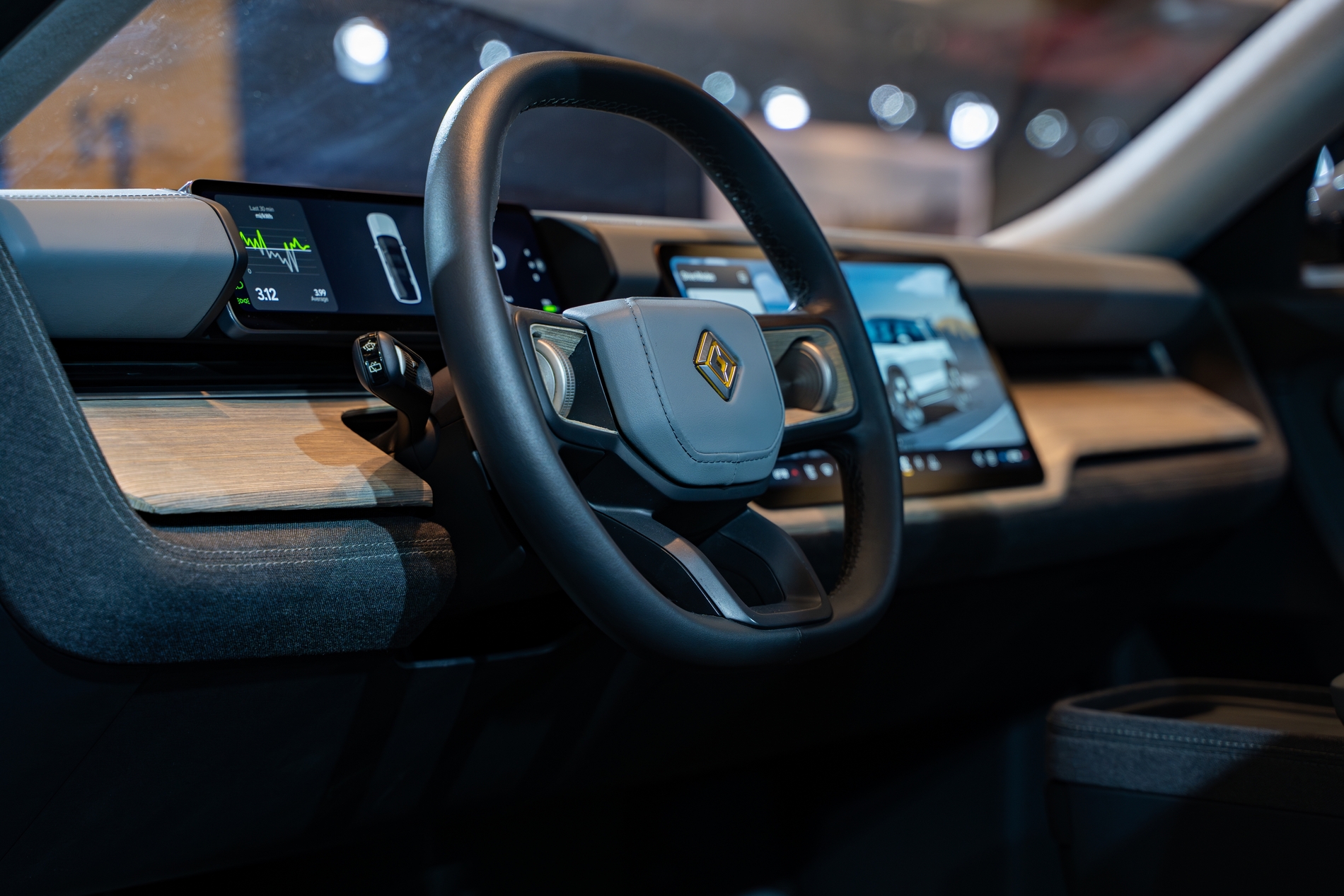
The Rivian R2 Black Crater Signature cabin strikes a nice balance between premium and rugged. The materials feel durable, the design is minimalist, and there is enough warmth to make it feel like a place you want to spend time in.
The dashboard layout is simple. A 12.0-inch digital gauge cluster sits alongside a 15.6-inch touchscreen that handles most controls. There are two stalks packed with physical buttons for wipers, headlights, gear selection, and speed control.
The most interesting new addition is what Rivian calls Halo Wheels on the steering wheel. These are mounted on an axis, enabling them to rotate, move side-to-side, and be pushed or pulled to handle everything from audio volume and drive mode switching to climate control temperature and fan speed. It takes me about ten minutes to get used to it, after which it feels easier than reaching the screen.
Some changes to the interior came directly from R1S owner feedback. Rivian moved the front speakers to the center of the car and out of the door panels, freeing up space for large water bottles in the door pockets. The R2 also gets two glove boxes. The R1S has none.
The rear seats fold in a 40/20/40 configuration, which is a rare feature in this segment. The Performance trim adds a nine-speaker, 975-watt audio system, heated and ventilated front seats, heated rear seats, semi-active dampers, and dynamic Matrix beam adaptive LED headlights.
Still, there are no grab handles mounted on the headliner, which is a strange oversight in an SUV built for off-road use. And the panoramic glass roof has no sunshade.
On the Road
This is where the R2 surprised people most.
The R1S had a hydraulic roll control system that bounced and pranged harshly. The steering was also criticized for being vague and too light for a vehicle of that size.
The R2 fixes this by simplifying. Instead of the hydraulic roll control, they used more traditional sway bars. A new dual-pinion steering setup replaces the R1’s ball-screw electro-hydraulic design.
As a result, the R2 drives far better than its predecessor. Smooth and cushioned with the shock dampers in the softest setting, the suspension firms up just the right amount in Sport mode to allow some body lean, squat, and dive without imbalance.
The 656 horsepower is tangible. Rather than a brutal lunge that peaks immediately, the R2 punches hard and then continues pulling well past highway speeds. Not a single crossover at this price point, whether petrol or hybrid, can keep up.
Off-Road
The R2 Performance brings exclusive drive modes to this trim: Rally, Soft Sand, and Launch Mode, in addition to All-Purpose, Conserve, Snow, and Sport, which all R2 trims share.
Off-road, the R2 drives even better than on pavement. One-pedal driving mimics hill-descent control well, and the new brake-by-wire system provides a firmer pedal response while impressively blending regenerative and friction braking.
In Rally mode with traction control reduced, you can use regen lift-off to load the nose and induce rotation before pressing the throttle into full oversteer.
Ground clearance is 9.6 inches on all R2 variants, with a 25-degree approach angle, a 26-degree departure angle, and a 20.6-degree breakover angle. It gives you confidence in loose dirt, light trails, and snow, which is what most buyers who consider themselves outdoorsy will need.
The Tech
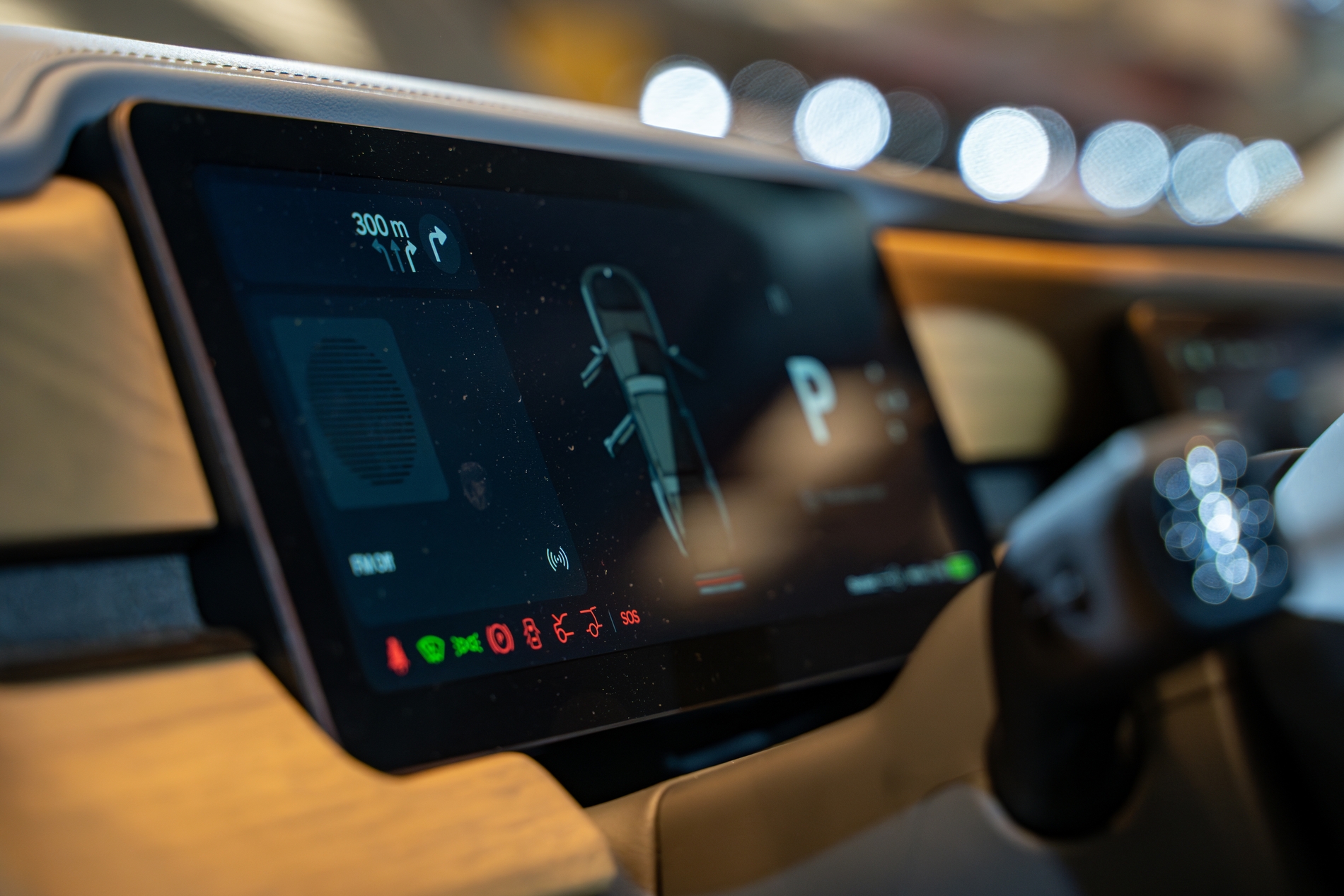
Every R2 comes with the hardware needed for Rivian’s Autonomy+ system: 11 HD cameras and 5 radar sensors. The hands-free driving features cover 3.5 million miles of roads in the US and Canada.
Activation requires a simple tug on the shifter while on the freeway. The system stays well-centered in the lane and does not require you to look straight ahead every few seconds, as some competing cars do.
The system is promising but still maturing. My brief test made me feel more cautious than converted. Autonomy+ is not yet at Tesla FSD’s level of capability, but it is a good highway assistant. If you buy the Launch Package, you will get Autonomy+ free for the life of the vehicle. Without it, you have to pay $49.99 per month or a one-time fee of $2,500.
The Charging Question
This is the one area where the R2 genuinely falls short relative to where the EV market is heading.
The peak charging rate is 210 kW, which lags behind some competitors that now offer 400 kW charging. Rivian’s CEO, RJ Scaringe, says that R2 battery chemistry was optimized for energy density and cost per kilowatt-hour rather than fast-charging speed. Targeting a 20-minute charging time would have raised the cost per kilowatt-hour and, by extension, the car’s price.
In day-to-day usage, the R2 can charge from 10% to 80% in 29 minutes at an adequate DC fast charger, about the same pace as a Toyota bZ4X.
Partly compensating is the native NACS port. The R2 gets access to Tesla’s Supercharger network with no adapter required.
The 330-mile EPA range with the standard 21-inch all-season tires drops to 307 miles if you choose the optional all-terrain tires and 20-inch wheels. For comparison, the Mercedes-Benz GLC EV, the BMW iX3, and the Volvo EX60 are all posting figures around 400 miles, so if maximum range is the priority, there are longer-legged options available.
Our Verdict
The R2 Performance is not a perfect car. The glass roof heat issue, the missing grab handles, the subscription-based Autonomy+, and some functions buried too deep in the touchscreen are all turn-offs.
However, it is faster, more capable, more premium, and more distinctive than the alternatives. Lower-priced competitors like the Hyundai Ioniq 5 XRT and Toyota bZ Woodland offer some outdoor credentials, but each comes with sacrifices in power, capability, premium feel, or overall completeness.
What Rivian did not do here is equally important. It would have been easy to shrink the R1S into something cheaper, softer, and stripped-down, then let the badge do the work. Instead, the R2 inherits enough of the R1’s core identity to justify the diamond logo on its nose.
For the money and at the size, this is among the most complete electric SUVs available right now. The charging limitation is the one thing that could genuinely frustrate buyers who often go on road trips. For everyone else, including those who have never considered a Rivian, the R2 Performance makes a very strong case.