How to Prevent Your Car Battery From Dying in Winter
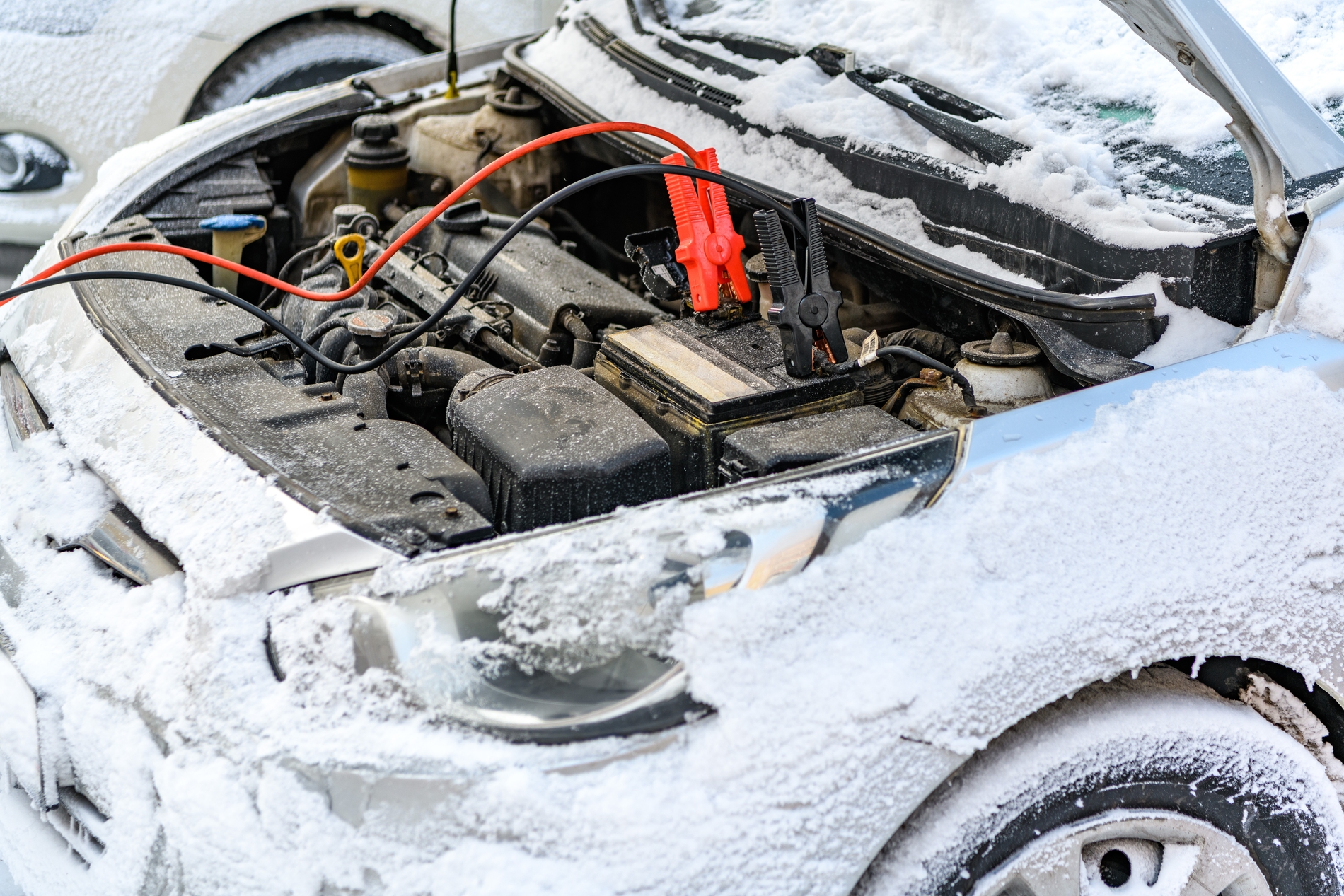
A dead car battery on a freezing morning can turn a routine drive into a stressful delay.
Winter is the toughest season on car batteries, and a weak battery usually fails on the coldest morning. The good news is that you can prevent most battery problems. A little maintenance before winter comes in, plus a few simple habits, can keep you away from the frustration of a car that won’t start.
This guide explains why cold weather is so hard on batteries and walks through exactly what to do about it.
Why Cold Weather Is So Hard on Car Batteries
A car battery makes power through a chemical reaction between lead plates and an acid solution called Electrolyte. That reaction slows down as the temperature drops, so the battery cannot deliver as much current when it’s cold outside. According to AAA’s Automotive Research Center, a car battery loses about 35% of its strength at 32°F. And at 0°F, it loses closer to 60%.
At the very same time, the engine needs more power to start. Cold engine oil is thicker than warm oil, so the starter motor has to work harder to turn the engine on. AAA notes that starting an engine in cold weather can require up to 2x the electrical current needed on a moderate-temperature day.
Winter driving habits add to the strain. Heated seats, the rear defroster, headlights that stay on longer, and the blower motor running on high all pull additional current from a battery that is already working at a disadvantage.
A Weak Battery Can Actually Freeze!
Most people assume a car battery cannot freeze, but that isn’t true. A fully charged battery is very resistant to freezing and typically won’t freeze until temperatures drop to -76°F.
A battery that is only partially charged is a different story. As a battery discharges, the acid in the Electrolyte gets used up, leaving mostly water behind, and water freezes at 32°F. If the Electrolyte freezes, it expands and can crack the battery case or warp the internal plates, which usually ruins the battery for good. This is another reason to keep a battery fully charged through the winter, and it’s also why you should never try to jump-start or charge a battery with a swollen case. Let it warm up and have it inspected first.
Warning Signs Your Battery Might Not Survive the Winter
Catching a weak battery early can save you from getting stranded on the way. Watch for these signs as the weather turns colder:
- The engine cranks noticeably slower before it starts
- Dashboard lights and interior lights look dimmer than usual
- You hear a single click or rapid clicking when you turn the key
- The battery is more than three years old
- White, blue, or greenish buildup appears on the terminals
- The battery case looks swollen, bulging, or deformed
If you notice any of these signs, it’s worth testing the battery right away rather than waiting for it to fail completely.
Test It Yourself With a Multimeter
A basic digital multimeter, available for around $20, gives you a quick read on battery health. With the engine off and the car parked for at least a few hours, touch the red lead to the positive terminal and the black lead to the negative terminal.
A reading of 12.6 to 12.8 volts means the battery is fully charged. A reading around 12.4 volts means it’s still in good shape but a little low. Anything below 12.2 volts means the battery needs a charge, and a reading under 12.0 volts often means it’s struggling. With the engine running, you should see somewhere between 13.7 and 14.7 volts, which shows the alternator is charging the battery properly.
Get a Free Load Test
Voltage alone doesn’t tell the whole story, since a battery can show a normal resting voltage and still fail to deliver enough current under load. Most auto parts stores and repair shops will test a battery and the charging system for free in just a few minutes. It’s worth doing this every fall, especially if the battery is three years old or older, or before any long winter road trip.
Build These Habits Into Your Winter Routine
Little daily habits protect a battery more than any single gadget or product.
1. Drive Long Enough to Recharge the Battery
Short trips around town don’t give the alternator enough time to fully recharge the battery, and this problem gets worse in cold weather because batteries also charge more slowly when they’re cold. If most of your driving is short hops to the store or the school pickup line, try to get in at least 20 to 30 minutes of driving once or twice a week, ideally including some higher-speed driving like a highway stretch. Idling in the driveway is not a substitute, since the alternator charges far more effectively while the engine is actually running at driving speed.
2. Turn Off Everything Before You Shut the Engine Off
Headlights, interior lights, seat heaters, and phone chargers should all be off before you leave the car. Double-check that doors are fully closed, since an unlatched door can keep interior lights running for hours without you noticing. It’s also a good idea to unplug chargers and accessories from the 12-volt outlet, since some devices continue to draw a small amount of power even when the car is off.
3. Skip the Long Warm-Up
Many drivers still let their car idle for 10 or 15 minutes on cold mornings to warm it up. For any vehicle built after 1980, this isn’t necessary and doesn’t help much. Modern fuel-injected engines only need about 30 seconds to circulate oil before it’s safe to drive off gently. Consumer Reports and several automakers point out that extended idling wastes fuel, adds unnecessary emissions, and does little for the engine, which actually warms up faster while being driven than while sitting still. If you want a warm cabin and a clear windshield, starting the car a few minutes before you leave is fine. Just don’t count on idling to protect the battery.
Maintenance Steps That Protect Your Battery
A little hands-on maintenance in the fall goes a long way toward preventing a dead battery in January.
1. Clean the Terminals
Corrosion on the battery terminals blocks the electrical connection and can prevent the car from starting even if the battery itself is fine. To clean it safely:
- Turn off the car and disconnect the negative (black) cable first, followed by the positive (red) cable.
- Mix about one tablespoon of baking soda with a cup of water to make a paste.
- Apply the paste to the corroded areas and scrub gently with an old toothbrush or a wire brush.
- Rinse with a small amount of clean water and dry thoroughly with a cloth.
- Reconnect the positive cable first, then the negative cable, and apply a thin layer of dielectric grease or petroleum jelly to slow future corrosion.
Wear gloves and eye protection while doing this, since the corrosion is acidic residue.
2. Check the Cables and Connections
A loose or cracked battery cable can interrupt the flow of power even from a perfectly healthy battery. Give the cables a visual check for fraying, cracking, or looseness, and have a mechanic tighten or replace anything that looks worn.
3. Park Smart
Parking in a garage, even an unheated one, keeps the battery several degrees warmer overnight than parking outside, which meaningfully improves your odds of a smooth start. If a garage isn’t an option, park facing away from the prevailing wind when you can.
The Bottom Line
Winter doesn’t have to mean a dead battery. Most failures come down to a battery that was already aging, combined with cold weather that exposed the problem sooner. Testing the battery before winter arrives, driving long enough to keep it charged, keeping the terminals clean, and replacing an aging battery before it fails are simple steps that make a real difference. A little attention in the fall is far easier than dealing with a car that won’t start on the coldest morning of the year.