2026 Honda Pilot 2WD EX-L: First Drive Review
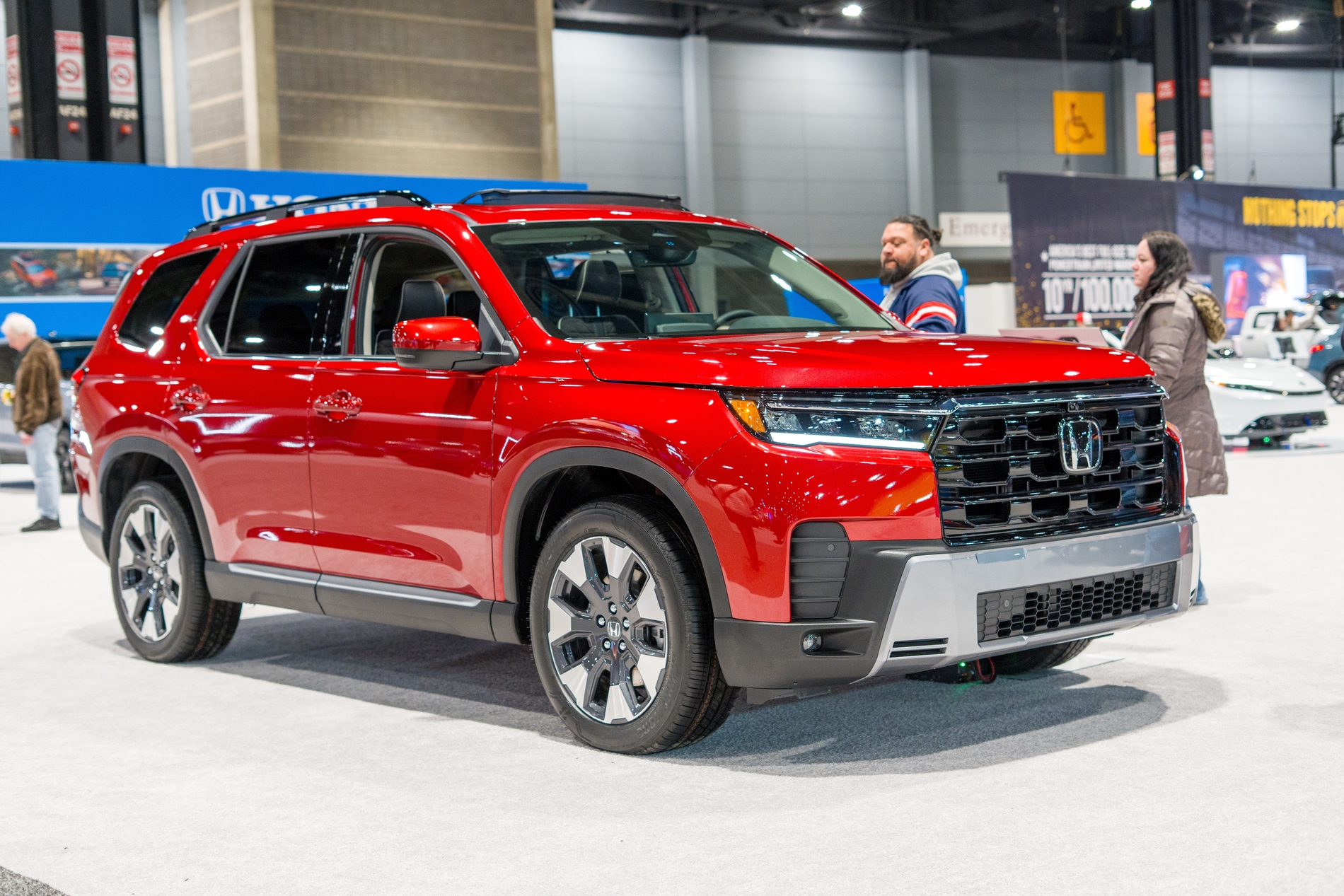
Honda gave its popular family SUV the tech upgrade it needed.
The 2026 Honda Pilot EX-L is the trim I’d recommend to most families. It costs about $2,300 more than the base Sport, but adds leather seats, heated front seats, three-zone climate control, and a wireless phone charger. Front-wheel drive comes standard, and for most people, it’s all they need unless they often drive in snow or on rough roads.
It’s not the most fun SUV to drive, and its fuel economy lags behind that of hybrid competitors. Still, it’s comfortable, practical, and easy to live with, making it a great choice for everyday family use.
Exterior Design
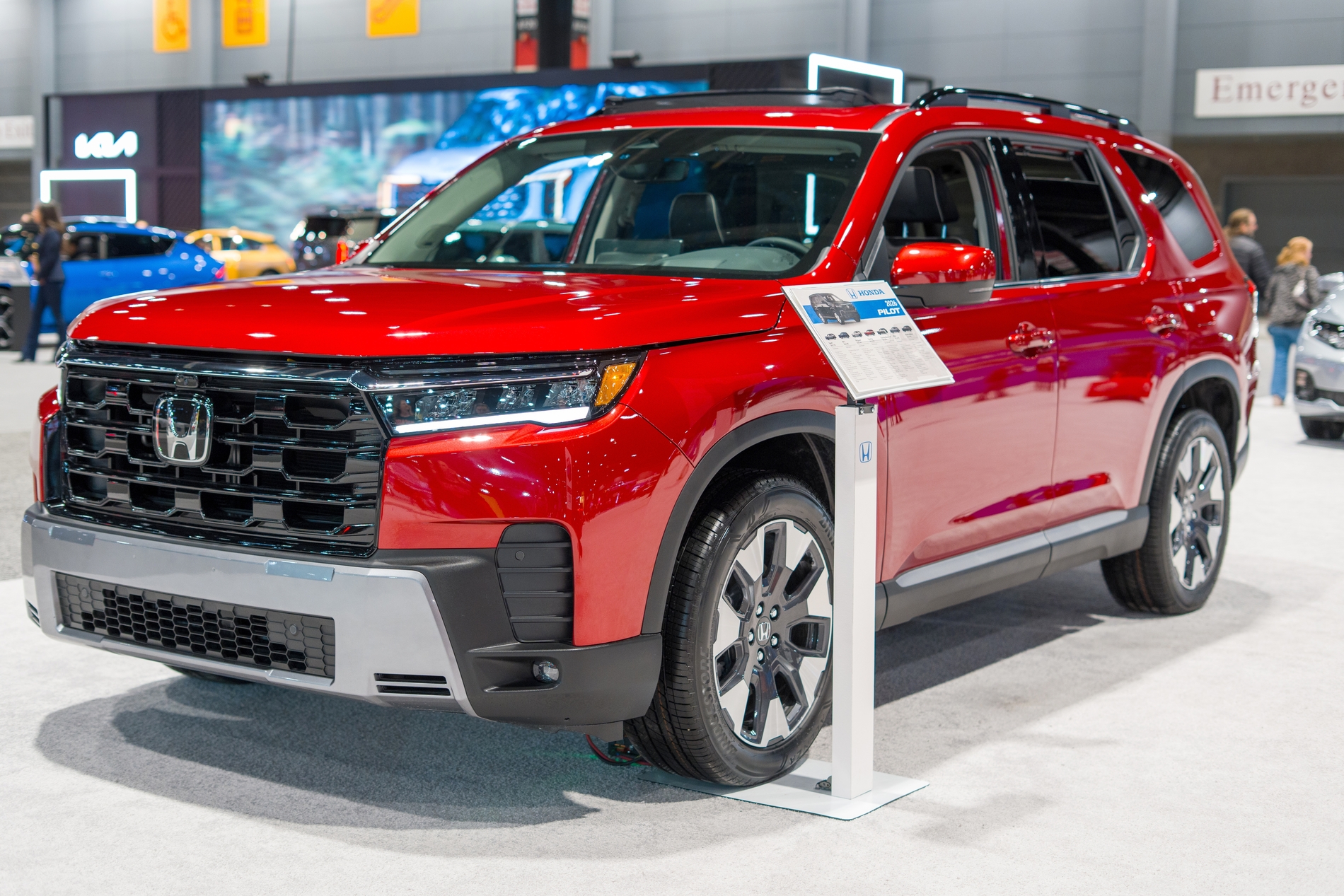
The 2026 Honda Pilot gets a few small styling updates, including a new grille, redesigned bumpers, and standard roof rails. The overall shape stays the same as before.
The EX-L trim comes with body-colored door handles and a cleaner front-end design than the base Sport. It skips the blacked-out styling found on the TrailSport and Black Edition models.
This SUV has a simple, confident look. It doesn’t try to stand out with bold styling, and that’s part of its appeal. I think this clean, practical design will continue to look good for years.
Interior Quality and Comfort
Getting inside, the EX-L cabin feels like classic Honda. It may not look as luxurious as the Kia Telluride or Hyundai Palisade. Still, the materials feel durable and ready for everyday family use, including spilled juice boxes and muddy cleats.
The front seats are comfortable on longer drives, though they do not offer the same range of adjustment as some rivals. The SUV sits a bit high off the ground, which can make it harder for small children to climb in. However, the wide doors make it much easier to install child seats and help kids get in and out.
The second row is one of the Pilot’s biggest strengths. There’s plenty of legroom, so adults can sit comfortably behind other adults. The EX-L also includes a removable center seat, letting you switch between seating for eight people or a more convenient path to the third row.
The third row has enough space for teenagers and smaller adults on shorter trips. Taller passengers may find it cramped during longer journeys, but it’s still more usable than many rivals.
Technology and Infotainment
The biggest upgrade for the 2026 Honda Pilot is its new technology. Every trim, including the EX-L, now comes with a 12.3-inch touchscreen. It also includes wireless Apple CarPlay, Android Auto, and Google Built-In as standard.
The system is easy to use, with large icons that you can arrange like apps on a smartphone. Honda also kept physical knobs and buttons for climate control, which I appreciate every time I do not have to hunt through a touchscreen menu to turn up the fan.
The one control I never fully get used to is the push-button gear selector. It works fine once you learn the layout, but it forces you to glance down during quick parking maneuvers rather than relying on muscle memory as a traditional shifter does.
Driving Experience
Honda slightly improved steering, with a bit more weight and better road feel than before. The difference is noticeable, but it doesn’t completely change how the SUV drives.
The SUV is smooth, comfortable, and easy to handle. It’s designed for daily commuting, school runs, and long highway trips rather than sporty driving on twisty roads.
One of its biggest advantages is visibility. The large windows provide a clear view in every direction, making the SUV feel easy to drive. The improved touchscreen also makes the surround-view camera sharper, helping you park more confidently in tight spaces.
Engine and Transmission
The 2026 Honda Pilot EX-L uses the same 3.5-liter V6 engine as before. It produces 285 horsepower and 262 lb-ft of torque, paired with a 10-speed automatic transmission.
The V6 engine accelerates easily from a stop and has enough power to merge onto highways or pass slower traffic. Unlike some turbocharged four-cylinder SUVs, the engine stays quiet and refined, even when you press the accelerator harder.
The 10-speed automatic transmission also performs well. It shifts smoothly and rarely feels like it’s searching for the right gear, making everyday driving comfortable and effortless.
Ride and Handling
Honda made the 2026 Pilot quieter by adding more sound insulation, including thicker door glass. As a result, the cabin stays quieter, especially on the highway. In my time with it, the ride leans firmly toward comfort, soaking up broken pavement well without ever feeling eager to be pushed. For the buyer cross-shopping minivans, that trade-off makes sense.
Fuel Economy
It is one area where the 2026 Honda Pilot falls behind many of its competitors.
The front-wheel-drive EX-L is EPA-rated at 19 mpg in the city, 27 mpg on the highway, and 22 mpg combined. Choosing front-wheel drive instead of all-wheel drive gives you slightly better fuel efficiency.
However, many rivals now offer hybrid powertrains that are much more fuel-efficient. Models like the Toyota Grand Highlander Hybrid can deliver significantly better mileage, making them a better choice if saving money on fuel is your top priority.
If you value smooth V6 performance and overall practicality, the Pilot still has plenty to offer. But if fuel economy is your main concern, there are more efficient options in this segment.
Cargo Space and Practicality
The 2026 Honda Pilot EX-L offers plenty of cargo space for everyday family needs. It provides up to 112.4 cubic feet of cargo room with the second and third rows folded, 60.1 cubic feet behind the second row, and up to 22.4 cubic feet behind the third row when using the available underfloor storage.
With all three rows in use, cargo space is more limited, so packing luggage or a large grocery haul requires a bit more planning.
One of the Pilot’s best practical features is the removable second-row center seat. You can take it out to create an easy walkway to the third row, and Honda even provides a dedicated storage compartment to keep the seat safely out of the way.
If you plan to tow, keep in mind that the front-wheel-drive EX-L can tow up to 3,500 pounds. Choosing an all-wheel-drive Pilot increases the towing capacity to 5,000 pounds, making it the better option for pulling larger trailers or boats.
Safety and Driver Assistance
The 2025 and 2026 Honda Pilot are among the safest SUVs in their class. It earned the IIHS Top Safety Pick+ award for its strong crash-test performance and effective crash prevention systems.
Every trim comes standard with the Honda Sensing safety suite, which includes:
- Collision Mitigation Braking with pedestrian detection
- Forward Collision Warning
- Lane Keeping Assist
- Traffic Jam Assist
- Blind Spot Monitoring
- Adaptive Cruise Control with Low-Speed Follow
Reliability and Ownership
The current Honda Pilot has a strong reputation for reliability, with above-average owner ratings. While a few owners have reported minor issues, such as a windshield water leak, these appear to be isolated cases rather than common problems.
One area where Honda trails some competitors is its warranty coverage. The Pilot comes with a 3-year/36,000-mile basic warranty and a 5-year/60,000-mile powertrain warranty. Brands like Kia and Hyundai offer longer warranties, giving owners added peace of mind over the long term.
Pros and Cons
What impressed me:
- V6 with no turbo lag or four-cylinder strain
- Roomy second row and a clever stowable center seat
- A 12.3-inch touchscreen with wireless CarPlay and Android Auto
- Strong standard safety scores and a full Honda Sensing suite on every trim
- Comfortable, composed ride for daily driving and road trips
What became frustrating:
- Fuel economy trails hybrid rivals by a wide margin
- Push-button gear selector takes getting used to
- 2WD towing capacity is capped well below the AWD-equipped versions
- Interior materials lag behind the Telluride and Palisade at similar price points
- Shorter warranty coverage than key competitors
Who Should Buy It?
The 2026 Honda Pilot 2WD EX-L is a great choice for families who want a spacious, comfortable, and practical three-row SUV without paying luxury prices. It’s best for people living in mild-weather areas who don’t need the extra traction of all-wheel drive.
If you regularly tow a large trailer or boat, or drive in snowy or icy conditions, the all-wheel-drive Pilot is the better option thanks to its higher towing capacity and improved traction.
However, if fuel economy is your top priority, you should also consider hybrid alternatives. SUVs like the Toyota Grand Highlander Hybrid offer much better gas mileage while providing similar family-friendly space and features.