The Camaro SS 1LE Was Much More Than a Muscle Car
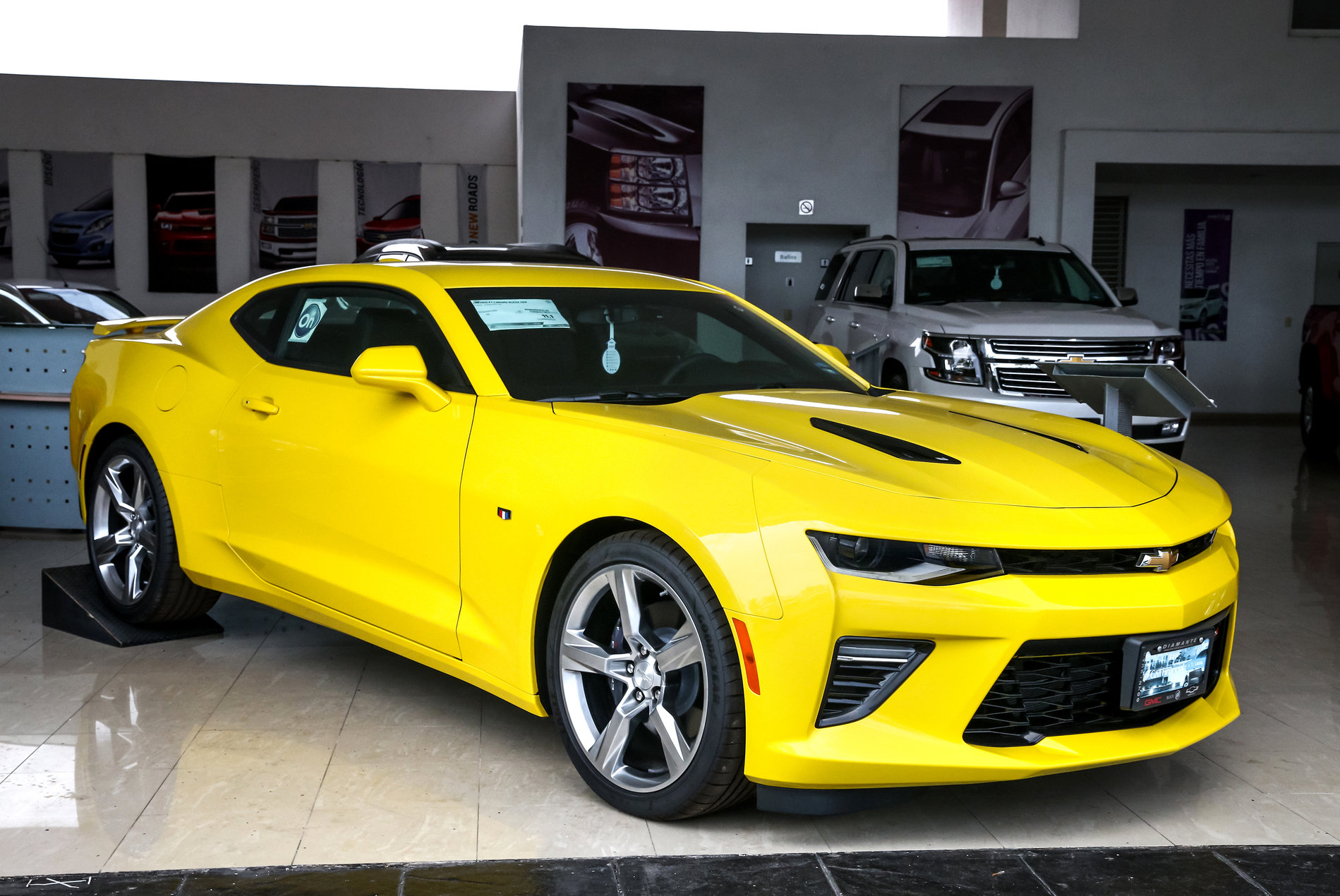
The 2017 Camaro SS 1LE had the power of a traditional American muscle car, but its real talent was making that power useful through every corner.
When I think about the sixth-generation Chevrolet Camaro, the SS 1LE stands out most to me. It has the sound and acceleration people expect from a V8 Camaro, but Chevrolet gave it a chassis built for serious performance driving, not just more horsepower.
That is what makes this car interesting. The 2017 Camaro SS 1LE was not simply an SS with a few cosmetic changes. It was a carefully developed performance package that made braking better, cornering more confident, and repeated laps on a racetrack easier.
The Engine Is the Same as the Regular SS
Under the hood is Chevrolet’s naturally aspirated 6.2-liter LT1 V8, which produces 455 horsepower and 455 lb-ft of torque. It uses the same engine as the regular Camaro SS, so the 1LE package doesn’t add engine power. Instead, it helps the car make better use of the power it already has.
The engine delivers strong acceleration without a turbocharger, and the dual-mode exhaust gives the V8 a sound that suits the car’s personality. In 2017, the SS 1LE was available only with a six-speed manual transmission, and I think that is the right choice for this car. The short-throw shifter and Active Rev Matching make the driving experience more involving.
However, there is one small annoyance. The skip-shift system can lock out second gear during light-throttle driving at low speeds, which forces a shift from first gear directly into fourth. Chevrolet designed it to reduce fuel consumption, but it interrupts the natural shifting rhythm.
I took my Camaro SS 1LE to 60 mph in 4.1 seconds and finished the quarter mile in 12.4 seconds at 116 mph. Those numbers make it quick in a straight line, but they do not explain what makes the 1LE special.
What the 1LE Package Adds
The biggest difference between the Camaro SS and the SS 1LE is what’s under the hood. The 1LE Track Performance Package includes:
- Magnetic Ride Control adaptive dampers, with springs and stabilizer bars tuned specifically for the 1LE
- An electronically controlled limited-slip differential with a 3.73:1 ratio
- Brembo brakes with six-piston front calipers and four-piston rear calipers
- Engine oil, transmission, and differential coolers for track driving
- Staggered 20-inch forged aluminum wheels with Goodyear Eagle F1 SuperCar 3 tires, 285-section at the front and 305-section at the rear
The tires matter as much as anything else on the list. They provide the grip needed to take advantage of the upgraded suspension and differential.
What I appreciate most is that Chevrolet did not focus on only one part of the driving experience. More power would have made the Camaro faster in a straight line, but these changes improve how the whole car works together.
It Is Usable Outside the Track
A track-focused car does not have to be uncomfortable on standard roads, and the Camaro SS 1LE makes a reasonable effort to do both. The Magnetic Ride Control dampers adjust to the selected driving mode, and several owners say Tour mode is comfortable enough for daily driving. I would say the suspension strikes a good balance between handling and comfort, though a few owners who have had both an SS and an SS 1LE say the regular SS is the easier daily car.
The car has Recaro front seats that provide strong support when driving enthusiastically, and the suede-wrapped steering wheel and shift knob give the cabin a more purposeful feel. Some owners say the high bolsters make getting in and out harder, while others find them comfortable on long drives.
There are compromises as well. Driver’s visibility is poor because of the low roofline and small windows. The rear seats are cramped, and the small trunk makes it hard to load larger items. I wouldn’t recommend this car to someone who needs a practical four-seat vehicle.
Fuel economy is another consideration. The manual SS 1LE has EPA ratings of 16 mpg in the city, 25 mpg on the highway, and 19 mpg combined. That is understandable for a naturally aspirated V8 with this level of performance, but consumption can rise quickly when the engine is used hard.
What I Would Check Before Buying One
The 2017 Camaro SS 1LE is old enough now that an individual car’s condition matters more than its original performance figures. These cars were built for enthusiastic driving, and some have probably spent time at track events.
I would pay particular attention to the following:
- Brakes: Check the Brembo calipers, rotors, and pads for excessive wear or signs of overheating.
- Tires and wheels: Inspect the Goodyear performance tires for uneven wear, damage, and age.
- Suspension: Make sure the Magnetic Ride Control system works correctly, and check for leaks or unusual noises.
- Engine and cooling: Review maintenance records and look for signs of overheating or neglected servicing.
- Transmission and clutch: Check for smooth gear engagement, clutch problems, and unusual noises.
- Accident and track history: Inspect the underside, front splitter, wheels, and suspension components for damage or poor repairs.
I would also want to see maintenance records if the car has been used on a racetrack. Chevrolet’s Camaro owner’s manuals warn that competitive driving can increase engine oil use and advise checking the oil level often. GM’s service guidance says to check the oil at every fuel stop when driving aggressively. Track use does not make a car a bad purchase, but a poorly maintained example can become expensive.
Is the Camaro SS 1LE Worth Choosing?
For me, the 2017 Chevrolet Camaro SS 1LE is one of the most interesting ways to experience American V8 performance. It has the sound, power, and character of a traditional muscle car, but its suspension, brakes, differential, and tires give it a much more focused driving personality.
It is not perfect. The visibility is frustrating, the rear seats are barely usable, and the fuel consumption will not impress anyone looking for an economical daily driver. The Recaro seats and manual transmission will not suit every buyer either.
Those shortcomings do not take away from what Chevrolet achieved. The SS 1LE was designed for someone who enjoys driving, not just someone who wants a powerful engine. It is comfortable enough for ordinary trips and capable enough to be rewarding on a racetrack.
If I were choosing a sixth-generation Camaro for its driving character, the SS 1LE would be very high on my list. It shows that a great performance car needs more than horsepower. It also needs the brakes, suspension, tires, and engineering to use that power well.