How to Spot a Flood-Damaged Used Car
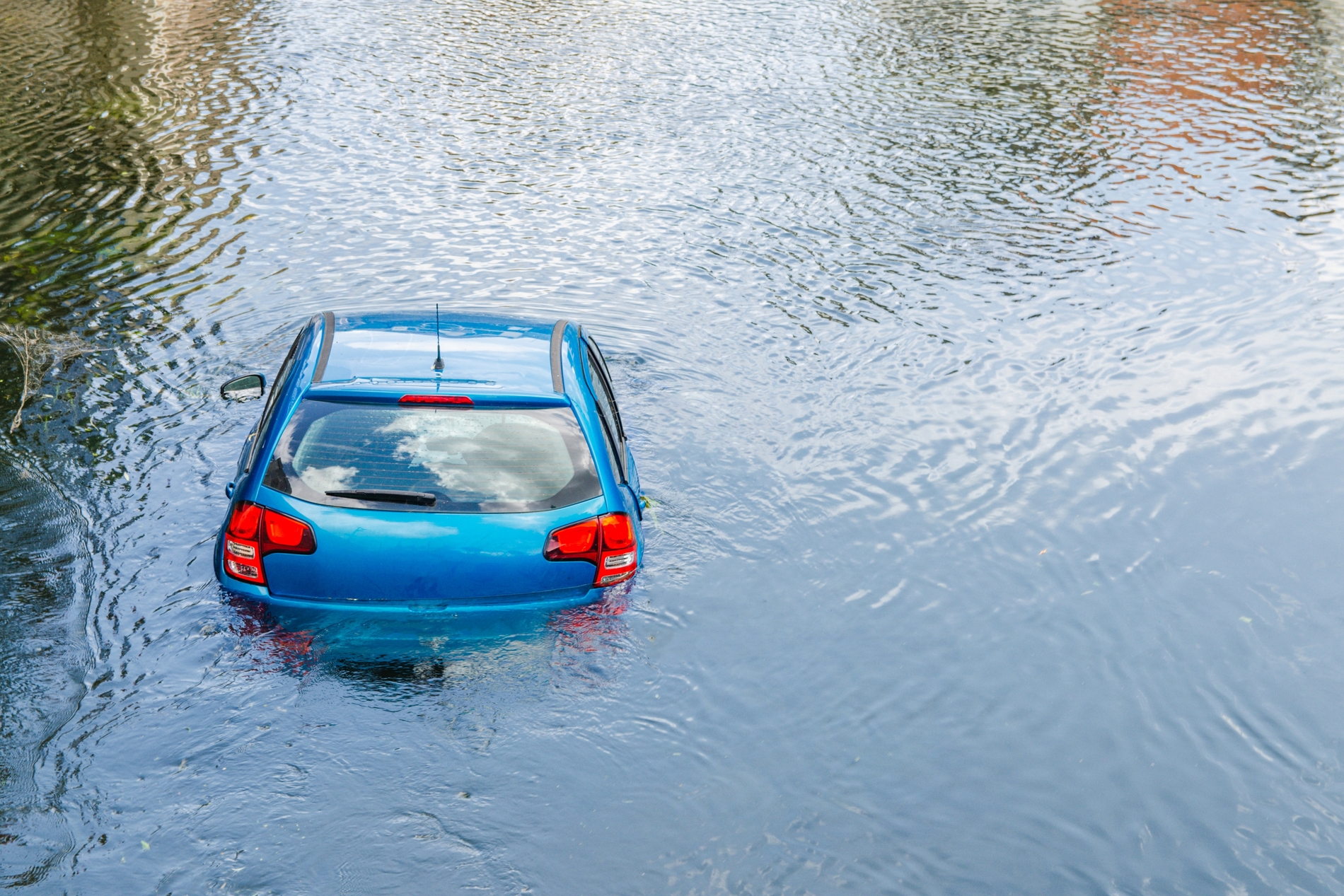
Right now, more than half a million flood-damaged cars are on America’s roads, and most of their owners have no idea.
CARFAX estimated that 530,000+ flood-damaged vehicles were on U.S. roads as of August 2025, and that number keeps climbing every time a hurricane, storm, or flash flood hits a populated area.
Florida, Texas, and Kentucky currently have the highest concentrations of these vehicles, but flood-damaged cars rarely stay where they were flooded. Many are cleaned up, retitled, and shipped hundreds of miles away, mostly to states that had no flooding that year at all.
This matters because floodwater does more than ruin a car’s carpet. It finds its way into the engine, transmission, brakes, airbag sensors, and wiring. Some damage shows up right away. Much of it takes months to surface, usually after the seller is long gone and the warranty has expired.
Today, you will learn to spot a flooded car, as water always leaves evidence somewhere.
Check the Vehicle’s Title and History First
Before you inspect a single bolt, check the VIN. It takes a few minutes and can rule out the worst cases immediately.
1. Run a Free VINCheck Search
The National Insurance Crime Bureau offers a free tool called VINCheck. Go to nicb.org/vincheck. Enter the vehicle’s 17-character VIN, and it will tell you whether that car has been reported stolen and not recovered, or declared a salvage or flood total loss by an insurer.
2. Get an NMVTIS Title Report
NMVTIS is a federal database that tracks vehicle title brands, including salvage, flood, junk, and rebuilt titles. Because these records follow the VIN across states, NMVTIS helps prevent title washing. Reports cost under $10 and are available through approved providers at vehiclehistory.gov.
3. Don’t Stop at Carfax or AutoCheck
Check Carfax or AutoCheck, but don’t rely on them completely. Some flood damage may never appear in a report, especially if it wasn’t reported to insurance. Different states also use different title terms such as “salvage” or “non-repairable” instead of “flood”. A clean report is a good sign, but always inspect the car yourself.
Trust Your Nose
Before you check anything else, get inside the car, close the doors, and breathe. A musty, moldy, or mildew smell is one of the clearest signs of past water damage, and it is difficult to fully remove even after professional cleaning.
Be just as suspicious of the opposite problem. An overpowering air freshener or a strong “new car” spray scent in an older vehicle can be an attempt to mask an odor underneath it. Check the trunk and under the seats too, not just the cabin, since sellers often focus on cleaning the spots buyers are most likely to notice first.
Look for Water Lines and Stains
Floodwater leaves a visible stain wherever it sat for a long time. Check the dashboard, door panels, trunk, and headliner for dried water stains or discoloration.
A stained or sagging headliner is a particularly strong warning sign, since water has to rise fairly high inside the cabin to reach it. The same goes for a long stain on a door panel or the center console. A little fading with time and sun exposure is normal, but a defined ring or a sharp stain line is not, and it should raise a flag.
Check the Carpet, Upholstery, and Seat Belts
Inspect the underside of floor mats and, if you can, lift the edge of the carpet itself. Touch it to check for dampness and look for water stains, mud, or silt underneath. Also compare the carpet’s color and material to the rest of the interior. Brand-new carpet in an otherwise worn, older car is a red flag, since it often means the original carpet was too damaged or stained to keep.
Pull each seat belt all the way out. Look closely at the webbing, and reach into the retractor housing for staining, mildew, or grime. Seat belts sit low in the car and are one of the first things floodwater reaches, and sellers rarely think to clean inside the retractor mechanism.
Slide or lift the seats if you can, and check the tracks and mounting bolts underneath for rust or mud. Then remove the spare tire and inspect the well underneath it. This low point in the trunk collects water and debris before anywhere else in the car, which is why you must check it.
Search for Rust in Places It Shouldn’t Be
Minor rust is normal on an older car, especially in snowy states that use road salt. What you are looking for is rust in spots that water should never reach during normal driving. Check these areas closely:
- Seat mounting screws and bolts, and the seat frame itself
- Strut towers under the hood
- Door drip holes and hinges
- The center of the floor pan, not just the edges
- Brake calipers, brake lines, and the wheel hub and spindle
Corrosion also looks different depending on the metal involved, which is useful to know when checking connectors and wiring under the hood. Rust on steel parts looks reddish brown. Corroded copper wiring or terminals develop a green coating. Aluminum and other alloy parts show a white, powdery buildup with visible pitting. Any of these showing up somewhere fresh or unexpected is worth asking the seller about directly.
Test Every Electrical Feature
Floodwater and electronics do not mix well, and modern cars are full of sensors, modules, and wiring that water can damage without leaving a visible sign for months. Take the time to test everything, not just the features you expect to use:
- All interior and exterior lights, not only the headlights
- Air conditioning and heater, at every fan speed and setting
- Power windows, locks, mirrors, and seats
- Infotainment screen, radio, and speakers
- Dashboard warning lights, which should light up briefly when you turn the key and then turn off once the engine starts
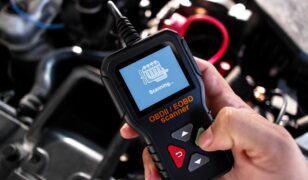
Pay attention to the radio and door speakers in particular. Distorted sound or a speaker that does not work at all can point to water damage that reached the door panels. If you have access to an OBD scan tool, a quick scan for stored or pending codes can also turn up electrical problems the dashboard has not flagged yet.
Check the Wiring and Hidden Crevices Under the Hood
Open the hood and look closely at the wiring, especially the harnesses and connectors near the alternator, starter motor, power steering pump, and relay boxes. Floodwater carries dirt and silt with it, and residue in these tight spaces is hard to fully clean out.
Gently bend a section of wiring under the dashboard as well. Wiring that has been submerged often becomes brittle and can crack instead of flexing normally.
Inspect the Headlights and Taillights
Headlights and taillights are sealed to keep water out during normal rain and driving. A flood can be strong enough to break that seal. Check every light on the car, front and back, for fog, moisture, or water droplets trapped inside the lens.
Watch for Other Warning Signs
A few situations should make you slow down and ask more questions, even if the car itself looks clean:
- A price noticeably below similar listings, without a clear explanation
- A seller who has only a bill of sale, or claims the title was “lost”
- Vague or inconsistent answers about where the car came from or who owned it before
- A vehicle recently retitled in a state far from where it is currently being sold
None of these signs proves flood damage on its own. Together, or alongside any of the physical signs covered above, they are reason enough to walk away or insist on a full inspection first.
What to Do If You Suspect Flood Damage
If you spot several of these warning signs and the seller cannot give you a straight answer, the safest choice is to walk away. There will always be another car for sale, and there is rarely a way to fully undo hidden flood damage once you own it.
If you have already bought a car and later discover it was flooded and not disclosed, contact your state’s motor vehicle agency and your state attorney general’s consumer protection office. You can also report suspected fraud directly to the NICB, since flagging the vehicle helps prevent it from being resold to the next unsuspecting buyer.