New York Becomes the First State to Ban Subscriptions for Built-In Car Features
New York has just become the first state in the country to ban automakers from charging monthly fees for features already built into the car.
Governor Kathy Hochul signed the new law on Monday, November 23, 2026. It takes effect on February 27, 2027, and applies to car manufacturers, dealers, and their agents operating in the state.
The law targets a growing trend of companies charging car owners to activate and use features like heated seats, remote start, hands-free driving, and more. Some manufacturers have been installing the hardware directly into vehicles, then keeping it switched off in software until the owner pays up.
The practice is not hypothetical. Several major brands have already gone there.
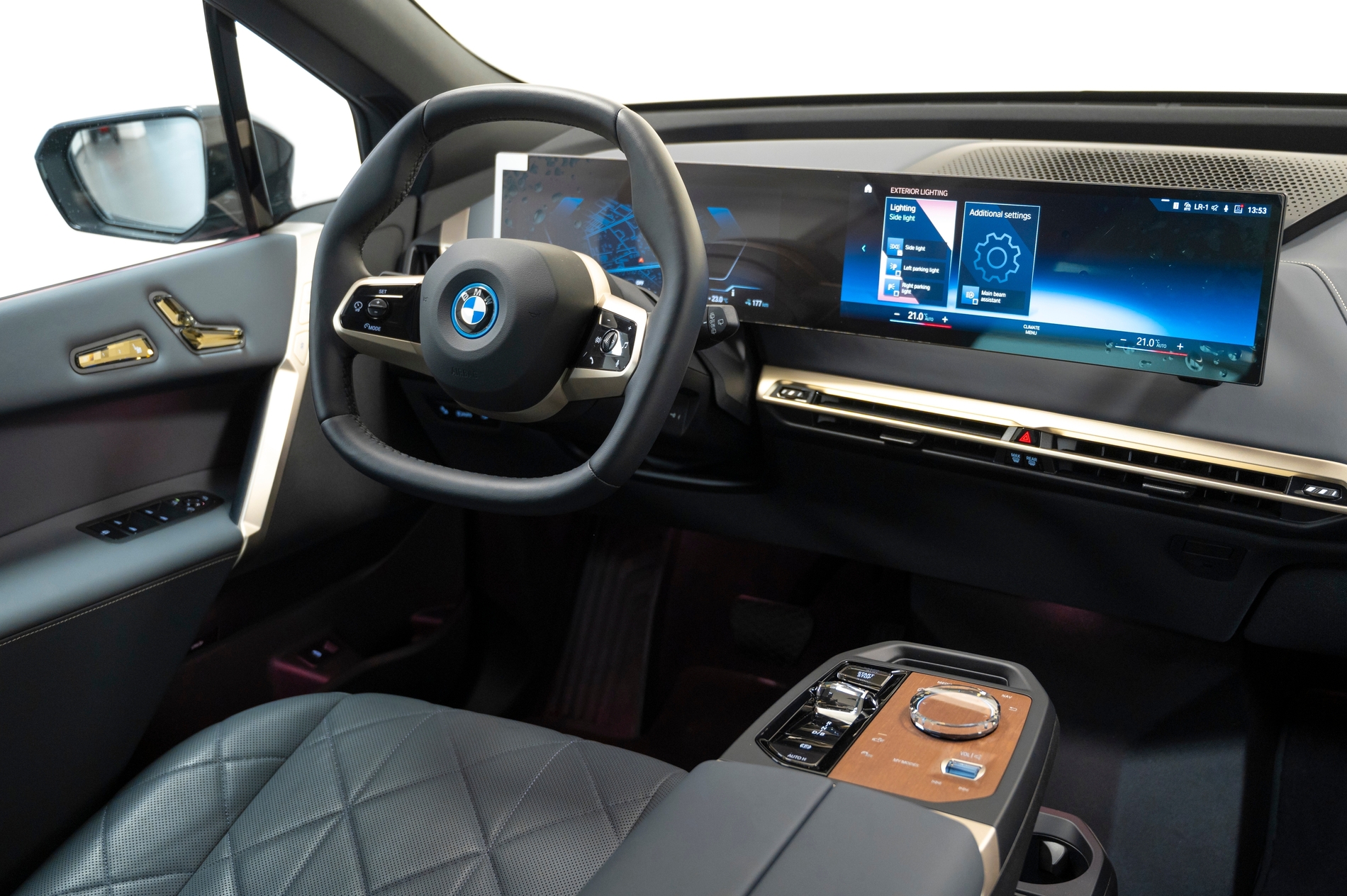
BMW became the most high-profile case when it charged drivers around $18 a month for heated seats that were already physically wired into the car. The backlash was fast and fierce. BMW eventually pulled the subscription and returned to a simple one-time charge for the feature.
Mercedes-Benz took a different angle, charging owners of certain EQ electric vehicles $1,200 a year to unlock additional horsepower. The hardware capable of producing that extra power was already in the car. Drivers were paying to unfreeze what they had already bought.
Toyota has taken a quieter but steadier approach. On the 2026 RAV4, the brand charges $15 a month for its Drive Connect plan, which unlocks real-time traffic data on the car’s built-in navigation. It also charges a separate $15 a month for Remote Connect, which lets drivers use the Toyota app to start the car or unlock the doors remotely.
Under the new law, a subscription is banned if two conditions are met. The feature must use hardware that was already installed when the car was bought or leased, and it must keep working after activation without any ongoing cost or support from the automaker, dealer, or a third-party provider.
The governor was direct about why she signed it. “People spending their hard-earned money on a car shouldn’t have to fork over even more money for features that should automatically come with the car,” she said. She also had a sharp message for automakers: “Keep your hands out of New Yorkers’ wallets.”
Senator James Skoufis, who sponsored the bill, put the frustration into words, saying, “People ought to know they’re able to use their already-installed remote start or heated seats during the winter without a monthly subscription. This new law will simply and clearly prohibit car manufacturers from ripping off New Yorkers who already paid for vehicle features when they purchased their car.”
New York Attorney General Letitia James also backed the law. “No one should have to pay recurring fees just to use features in a car they already bought,” she said. “Unfair fees are fueling rising costs, and I am proud to work with Governor Hochul and the legislature to bring costs down.”
The law, however, is not a blanket ban on all car subscriptions. The bill carves out a long list of exemptions, such as:
- Navigation updates
- Infotainment updates
- Satellite radio updates
- In-car Wi-Fi updates
- Telematics updates
- Roadside assistance features
- Driver assistance and automation features
The exemption also includes any connected service that relies on a cellular or data network. As a result, subscriptions for software-dependent systems like Tesla’s Full Self-Driving appear to fall outside the ban.
Automakers and dealers found in violation face a civil penalty of up to $250 for each unlawful subscription sold.
The bill passed through the New York State Senate 57-3. Interestingly, this was not Hochul’s first encounter with this kind of legislation. A similar bill had passed the legislature in 2025, but was vetoed. The version she signed this week keeps the same two-part test, exemption list, and $250 penalty as that earlier bill.
Brad McAreavy, president of the Rochester Automobile Dealers Association, underlined the broader meaning of the moment. “This obviously isn’t just a New York issue,” he said. “New York just happens to be the first state that’s acted on it.”
That observation carries weight. Other states have proposed similar bills in the past but have not yet passed them into law. With New York now setting the precedent, those efforts could pick up speed. And because New York is one of the largest car markets in the country, automakers may feel pressure to rethink their subscription strategies beyond state lines rather than maintain separate policies just for New York buyers.
The new rules kick in on February 27, 2027, giving manufacturers and dealers roughly three months to adjust. What happens next, both in statehouses across the country and potentially in the courts, could shape how the auto industry handles built-in car features for years to come.