U.S. Car Recalls Hit a Five-Year High in 2026
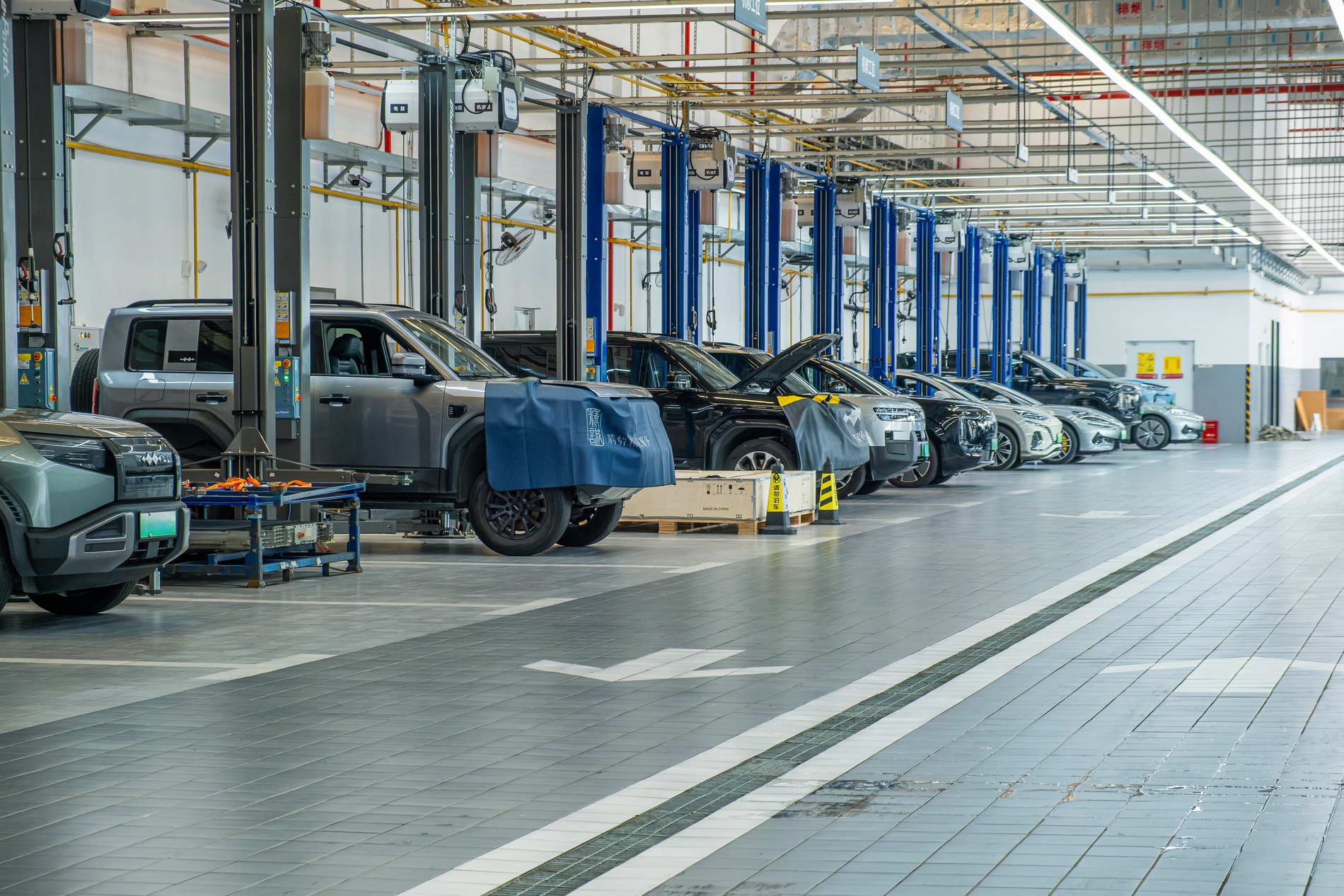
Nearly 24 million cars were recalled in the U.S. this year alone.
A Sedgwick study found that auto recalls affected nearly 24 million vehicles in the U.S. during the first half of 2026. That is more than double the number recalled over the same period last year, and it already adds up to almost 90% of all the vehicles recalled in the entire year of 2025. If this pace continues, Sedgwick projects the full-year total could reach close to 47 million vehicles, which would make 2026 the worst year for recalls in the last five years.
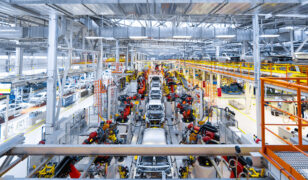
It is natural to assume a surge like this means cars are being built worse. Sedgwick’s product recall expert, Chris Harvey, says that is not the real story. According to Harvey, the jump does not point to a drop in vehicle quality. Instead, he explains, it reflects how much modern vehicles depend on shared platforms, shared electronics, and shared software across many different models. When one part or one piece of code has a flaw, that same flaw can now show up in a much larger number of vehicles at the same time, simply because so many models are built on the same underlying systems.
The report breaks down what is driving most of these recalls:
- Electrical systems were behind 6.23 million recalled units, the largest single category.
- Backup safety issues, such as faulty cameras or sensors, accounted for 3.01 million vehicles.
- Powertrain problems affected another 2.44 million vehicles.
One instance of this pattern is Stellantis, which recalled more than 74,500 Dodge Durango SUVs from the 2021 through 2023 model years because a rear spoiler could detach while driving. It is a small mechanical issue, but it still triggered a large, single recall because the part was used across such a wide range of vehicles.
Ford has been the biggest name in this year’s recall numbers. Industry data shows Ford issued 55 separate recall campaigns in the first half of 2026, covering more than 12 million vehicles. That is more than half of all light-duty vehicle recalls issued in the U.S. during that stretch. Almost every other major automaker issued at least one recall this year as well, including higher-end brands like Aston Martin, Bentley, and Lamborghini.
The rise in recalls is also changing how they get fixed. Many recent recalls, including some of the largest ones, have been resolved through software updates rather than a visit to the dealership, with many delivered over the air. That said, not every recall works this way. Hardware issues still require replacement parts, and a sudden wave of recalls puts pressure on that supply chain. Ivan Drury, director of insights at Edmunds, points out that this also strains dealerships, many of which are already short on trained technicians to handle the extra repair work.
Not every recalled vehicle gets fixed right away, either. Industry tracking shows that roughly one in five recalled vehicles is still being driven without the repair completed, which means the safety risk behind the recall is still present on the road.
For drivers, the takeaway is simple. With recall numbers this high, it is worth checking whether your vehicle is affected, even if you haven’t received a notice yet. Owners can look up their vehicle by VIN on NHTSA’s recall website to see if any open recalls apply to their car.