Polestar Is Banned from Selling New Cars in the United States
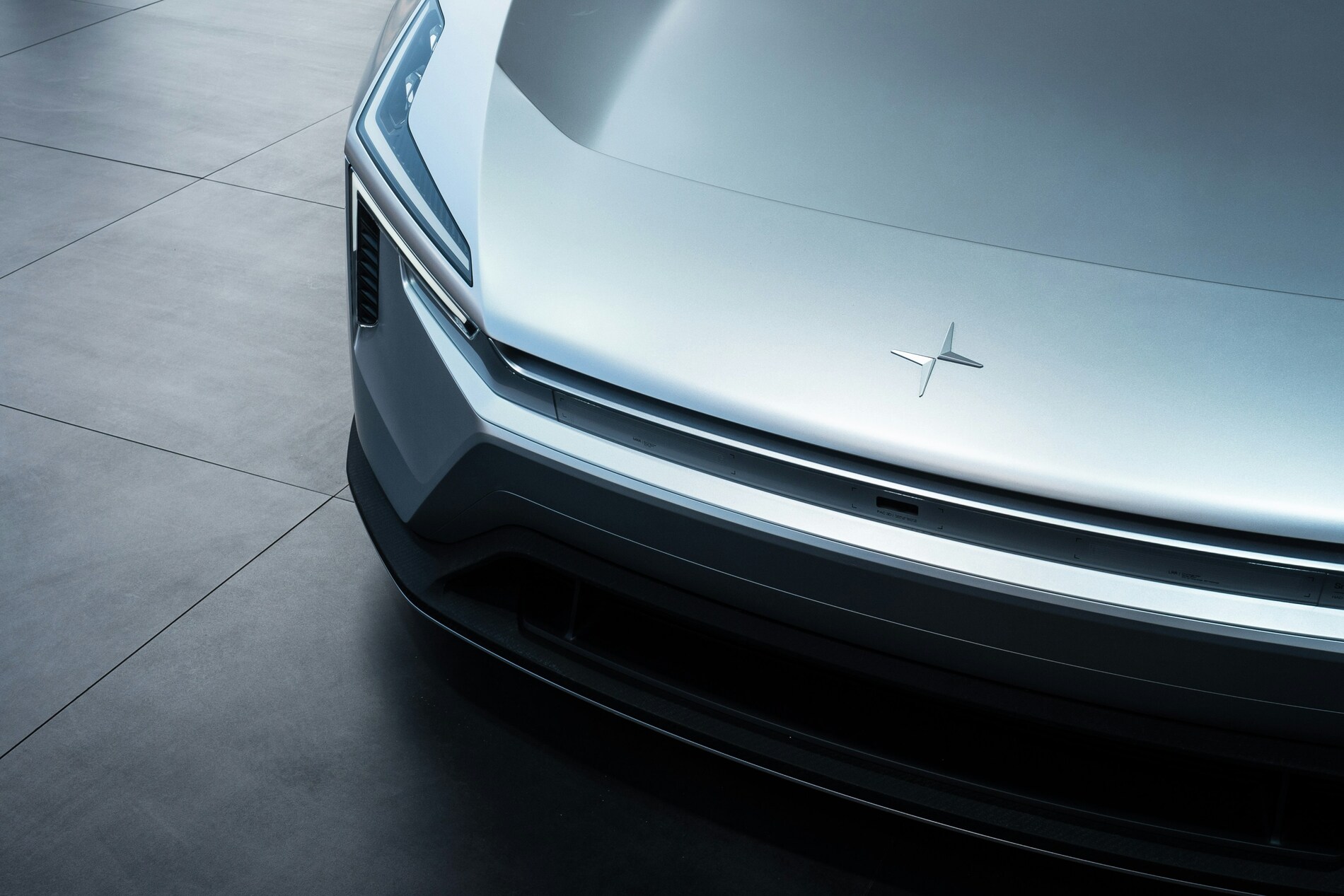
The United States government has officially banned Polestar from selling new vehicles to American consumers.
The U.S. Department of Commerce denied Polestar the authorization it needed to continue selling cars in the country under the 2027 model year. The decision was based on the Connected Vehicle Rule, a regulation finalized in January 2025 under the Biden administration and retained by the Trump administration. Polestar will not return to the U.S. new-car market under its current ownership structure.
What is the Connected Vehicle Rule?
Modern cars are connected devices. They collect data through cameras, GPS systems, sensors, and internet connections. The U.S. government concluded that vehicles with significant ties to China or Russia could allow foreign governments to access that data, so it implemented the Connected Vehicle Rule to address that concern.
The rule works in two stages.
- Software with a link to China or Russia is banned starting with the 2027 model year.
- Hardware with such a link is banned starting with the 2030 model year.
Why Was Polestar Affected?
Polestar is a Swedish automaker, but it is majority-owned by Geely, a Chinese corporation. Under the Connected Vehicle Rule, ownership and control are key factors in determining whether a vehicle has a disqualifying connection to China. The rule does not look only at where a car is physically assembled.
This distinction matters because the Polestar 3 SUV is assembled at a Volvo facility in South Carolina. That was not enough. The U.S. government determined that Geely’s ownership of Polestar was the decisive factor, regardless of where the vehicles were built.
Volvo is also majority-owned by Geely, yet it received special authorization to continue selling vehicles in the U.S. The government has not publicly explained the precise basis for treating the two brands differently.
What happens to existing inventory and current owners?
Polestar is still selling its remaining U.S. stock of the Polestar 3 and Polestar 4. To move that inventory quickly, the company has cut prices by up to $25,000. Those discounts are expected to run until July 31, 2026.
After that, no new Polestar vehicles will be available for purchase in the United States.
Current owners are not left without support. Polestar has 32 service locations in the U.S., all based at Volvo dealerships, and the company has confirmed it will continue servicing vehicles already on the road.
What Does This Mean for the Broader Industry?
The Polestar case establishes a clear precedent that the assembly location does not determine whether a vehicle qualifies for sale in the U.S. under the Connected Vehicle Rule. Ownership structure does. Any automaker with meaningful ties to China or Russia will need to assess whether its vehicles can be legally sold in the U.S. market in the future.
Polestar has described its U.S. exit as a strategic reorientation rather than a failure. Europe already accounted for around 80% of its retail sales, and that figure reached 94% in the first quarter of 2026. The company has said it plans to manufacture its next vehicle, the Polestar 7, in Europe.