7 Things You Should Do to Extend the Life of Your Hybrid Vehicle
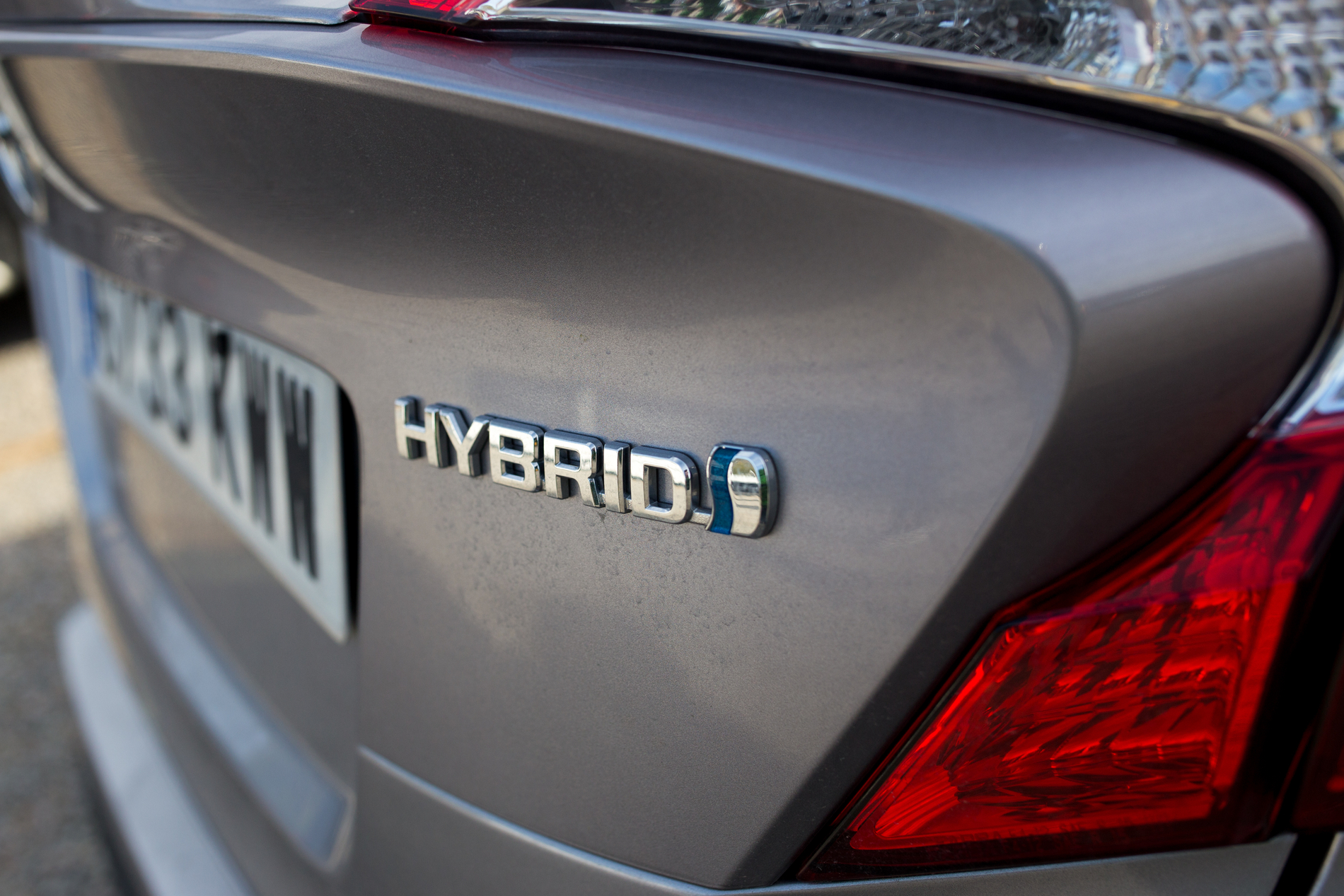
Do you know? A hybrid car’s battery is built to outlast the car itself.
Somewhere along the way, a rumor took hold that hybrid batteries fail early and cost thousands of dollars to replace. In reality, most hybrid batteries last well past 10 years and often cross 150,000 miles, and plenty of drivers never replace one at all.
Federal rules actually require automakers to back hybrid batteries for at least eight years or 100,000 miles, and some manufacturers cover them for 10 years or 150,000 miles.
The hybrids that do run into early battery problems usually have owners who leave the car to fend for itself.
Here are seven things you can do to keep your hybrid car running well for years.
1. Follow the Manufacturer’s Maintenance Schedule
It is tempting to assume that a hybrid needs less care because the gas engine runs less often. In reality, oil still breaks down over time, and fluids still age, even when the engine sits idle while the electric motor takes over. Skipping or stretching out service intervals can shorten the life of a hybrid car.
Hybrids typically run two separate cooling systems: one for the gasoline engine and another for the electronics (battery and motor). Both need their fluid levels checked, and both eventually need to be flushed. Here are a few fluids worth confirming at every service visit:
- Engine oil and filter
- Engine coolant and the separate inverter or battery coolant, if your car uses one
- Brake fluid
- Transmission or transaxle fluid
It is also worth asking your technician about any available software updates while you are there. Manufacturers occasionally release updates that improve how the battery charges and manages heat, and these are usually installed for free during a routine visit.
2. Shield the Hybrid Battery From Heat
Heat is the single biggest factor behind early battery wear. More than mileage, more than age, sustained high temperatures speed up the chemical breakdown inside the battery cells.
Most hybrid car battery packs are cooled by a fan that pulls air through an intake filter, often located under a seat or behind a side panel. Dust, pet hair, and general debris can clog that filter over time. Once airflow is restricted, the battery runs hotter than it should, and that heat buildup shortens its lifespan. Have a quick visual check of this filter every 5,000 miles and a full cleaning around every 20,000 miles, though your manual will list the exact figure for your model.
A few habits go a long way toward keeping temperatures in check:
- Park in shade or a garage when you can, especially in hot climates
- Keep the battery cooling vents clear of dust, pet hair, and debris
- Have the cooling filter inspected or cleaned at every service visit
If you drive a plug-in hybrid, regularly charging to 100% or draining the battery down to empty adds stress. When it is practical, try to keep the charge somewhere between 20 and 80%, and use a standard Level 1 or Level 2 charger rather than DC fast charging for everyday use, since fast charging generates more heat.
3. Drive Smoothly Instead of Aggressively
Hard acceleration and sudden braking force the battery to release or absorb large bursts of current in a short amount of time. That rapid demand generates heat and puts stress on the battery’s internal chemistry, and it wears down other drivetrain components faster too.
Gentle, gradual acceleration lets the electric motor do more of the work at low speeds, which is exactly what it is designed for. Braking earlier, rather than stopping short, gives the regenerative braking system more time to capture energy efficiently instead of relying on the mechanical brakes for a hard stop. Driving this way also improves fuel economy, so the payoff is not just long-term durability.
4. Drive the Car Regularly, Even for Short Trips
A hybrid car that sits unused for weeks at a time is not doing itself any favors. When the battery goes long stretches without cycling, individual cells can drift out of balance, since some naturally lose charge faster than others. That imbalance adds strain and can shorten the battery’s useful life.
Try to drive your hybrid at least once a week, even if it is just a short errand. If you are heading out of town for an extended period, read this guide to safely store your car for a long time.
5. Give the Brakes an Occasional Workout
Regenerative braking is one of the best things about owning a hybrid. It captures energy that would otherwise be lost as heat and sends it back into the battery, and it is a big reason hybrid brake pads often last well past 100,000 miles.
That same benefit creates a smaller, less obvious problem. Because the mechanical brakes are used so lightly, they do not get the regular friction and heat that normally keeps rust from building up on the rotors. Over time, this can lead to surface rust on the rotors and caliper slide pins that stick from lack of movement, which can cause the brakes to drag and quietly hurt your fuel economy.
You do not need to change how you drive day to day. It simply helps to use a firm brake pedal now and then, when conditions are safe, and to ask your technician to inspect and lubricate the caliper slides during routine brake checks, even if the pads still look fine. It is also worth keeping up with brake fluid flushes on schedule, typically every two to three years, since brake fluid absorbs moisture over time regardless of how often the brakes are used.
6. Keep Your Tires Properly Inflated and in Good Shape
Underinflated tires increase rolling resistance, which forces the engine and electric motor to work harder to maintain the same speed. That added strain lowers fuel economy and puts extra load on the entire hybrid system.
- Check tire pressure monthly as per the number on the driver’s door jamb sticker, not the number printed on the tire itself.
- Rotate your tires on schedule, typically every 5,000 to 7,500 miles, to keep wear even.
- When it is time to replace your tires, choose a set similar to what came from the factory, since many hybrids are fitted with low rolling resistance tires.
Switching to heavier tires or ones with higher rolling resistance can noticeably cut into fuel economy and, on plug-in models, electric-only range.
7. Don’t Forget About the 12-Volt Battery
Every hybrid has a small conventional battery in addition to the large battery pack that powers the electric motor. This 12-volt battery starts up the hybrid system and runs the onboard computers, lights, and accessories. If it dies, the car will not start, even if the high-voltage battery is in perfect condition.
Most 12-volt batteries in hybrids last around four to six years. Have it tested once a year; many auto parts stores will do this for free, and check the terminals for corrosion during oil changes or other routine visits. Watch for early warning signs like a slower-than-usual start, flickering interior lights, or dashboard warnings that come and go for no clear reason. Replacing a weak 12-volt battery before it fails is a lot less inconvenient than dealing with a car that will not start.
The Bottom Line
None of these seven steps are complicated or expensive on their own. Together, they add up to results. One last habit is worth mentioning. If a warning light appears on the dashboard, do not wait it out. Have it checked by a technician trained on hybrid systems as soon as you reasonably can. Catching a small issue early is almost always cheaper and easier than waiting for it to become a big one.