U.S. Senate Pushes for a Permanent Ban on Chinese Vehicles
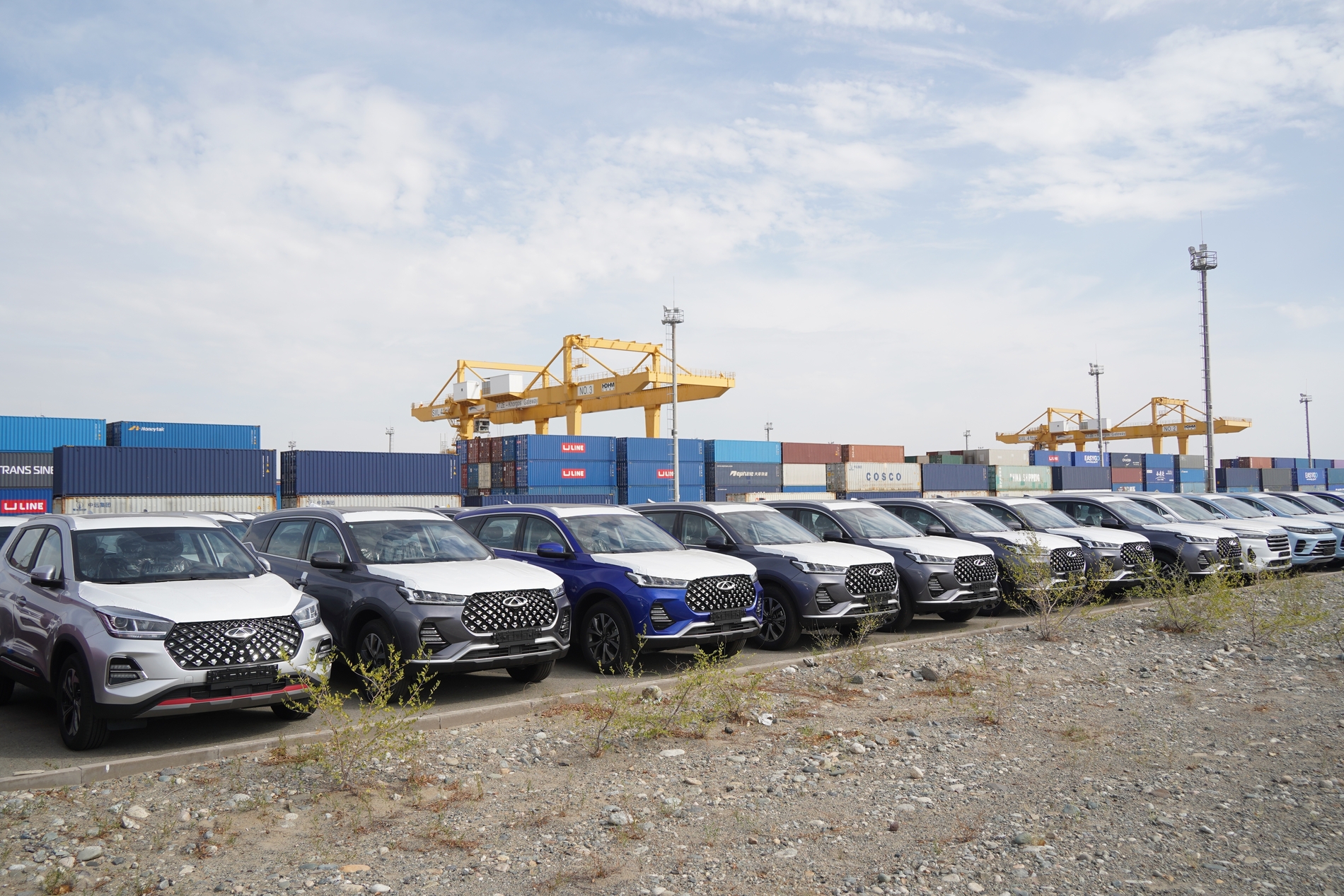
The U.S. Senate will try again in November to put a long-term ban on Chinese vehicles.
A bipartisan effort to tighten U.S. restrictions on Chinese vehicles has been delayed until after the November elections, after senators failed to reach an agreement before leaving Washington.
The proposal, called the Connected Vehicle Security Act of 2026, is led in the Senate by Republican Sen. Bernie Moreno of Ohio and Democratic Sen. Elissa Slotkin of Michigan. The bill has broad bipartisan support, but an attempt to move it quickly through the Senate stalled because lawmakers could not secure unanimous consent.
The legislation has already cleared the Senate Commerce Committee unanimously. It was placed on the Senate legislative calendar in September, which means it is eligible for consideration by the full Senate.
The proposal goes further than simply blocking cars carrying Chinese badges.
Under the current Senate text, starting January 1, 2027, the United States would prohibit the import, manufacture, sale, and resale of certain connected vehicles if they originate from a covered country or if their manufacturer has more than 15% ownership or control linked to a covered country.
The bill lists four covered countries:
- China
- Russia
- Iran
- North Korea
China is the main focus of the current political debate because its automotive industry has grown rapidly worldwide.
The legislation would also restrict connected-vehicle software associated with those countries beginning in 2027. Under the current Senate version, restrictions on covered vehicle-connectivity hardware would begin on January 1, 2030.
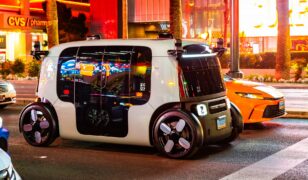
Connected vehicles include modern cars that use cellular, satellite, Wi-Fi, or other wireless systems to communicate with outside networks or devices.
The U.S. already has restrictions on Chinese vehicle technology. In January 2025, the U.S. Commerce Department finalized a rule restricting connected vehicles, software, and communications hardware with links to China and Russia. That rule took effect in March 2025, with the main vehicle and software restrictions applying from model year 2027 and hardware restrictions from model year 2030.
The proposed law would place similar restrictions directly into federal statute while expanding and strengthening parts of the existing framework.
That distinction matters. An administration can generally change regulations through another regulatory process. A law passed by Congress would require new legislation to make major statutory changes.
One of the biggest complications involves the bill’s 15% ownership threshold.
Mercedes-Benz has nearly 20% passive Chinese ownership. That raised concerns that the wording of the bill could unintentionally affect a German automaker that already manufactures and sells vehicles in the United States.
Republican Sen. Rand Paul of Kentucky objected to fast-track approval partly because of that issue.
Moreno has said the legislation is not intended to ban Mercedes-Benz and that the final version will address the company’s situation. However, the publicly available Senate bill text still contains the more than 15% ownership provision.
That means the details of any exemption or revised ownership language remain important as negotiations continue.
The bill also allows the Commerce Department to authorize certain vehicles or technologies that would otherwise be restricted if officials determine they do not pose the specified national-security risks. Such authorizations would require a formal risk assessment and notification to Congress.
Supporters of the legislation point to two main concerns: national security and competition in the U.S. auto industry.
Modern connected vehicles can collect and transmit information including location and vehicle-operating data. The Senate bill states that foreign control over connected-vehicle systems could create risks involving surveillance, cyber intrusion, and critical infrastructure. Those are congressional findings in the legislation, rather than proof that every Chinese-made vehicle poses such a threat.
Supporters also argue that heavily subsidized Chinese automakers could rapidly expand in the U.S. if existing barriers were removed.
The legislation has received support from major U.S. auto-industry and labor groups. The Alliance for Automotive Innovation, which represents companies including General Motors, Ford, Stellantis, Toyota, Volkswagen and others, has urged Congress to act. Labor organizations including the United Auto Workers have also supported the proposal.
China has opposed U.S. restrictions on its automotive sector and has argued that such measures are discriminatory and protectionist.
The bill has strong support, but it is not law yet. The Senate proposal is S. 4429, while a companion bill, H.R. 8730, has been introduced in the House.
The House measure has attracted more than 100 co-sponsors, according to the House Select Committee on China.
Still, neither version has completed the full legislative process.
For the restrictions to become permanent federal law, Congress must pass legislation and send it to the president.
The immediate Senate effort is now expected to resume after the November elections. Moreno and Slotkin have said they want the legislation approved before the end of 2026, but the timing will depend on whether senators can resolve the remaining disagreements.
For the auto industry, the next round of negotiations will matter because the final wording will determine not only how Chinese automakers are treated, but also how the law applies to global manufacturers with Chinese investors, suppliers, or connected-vehicle technology in their supply chains.