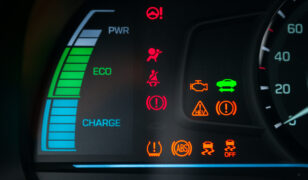
How to Drive Safely in Heavy Rain
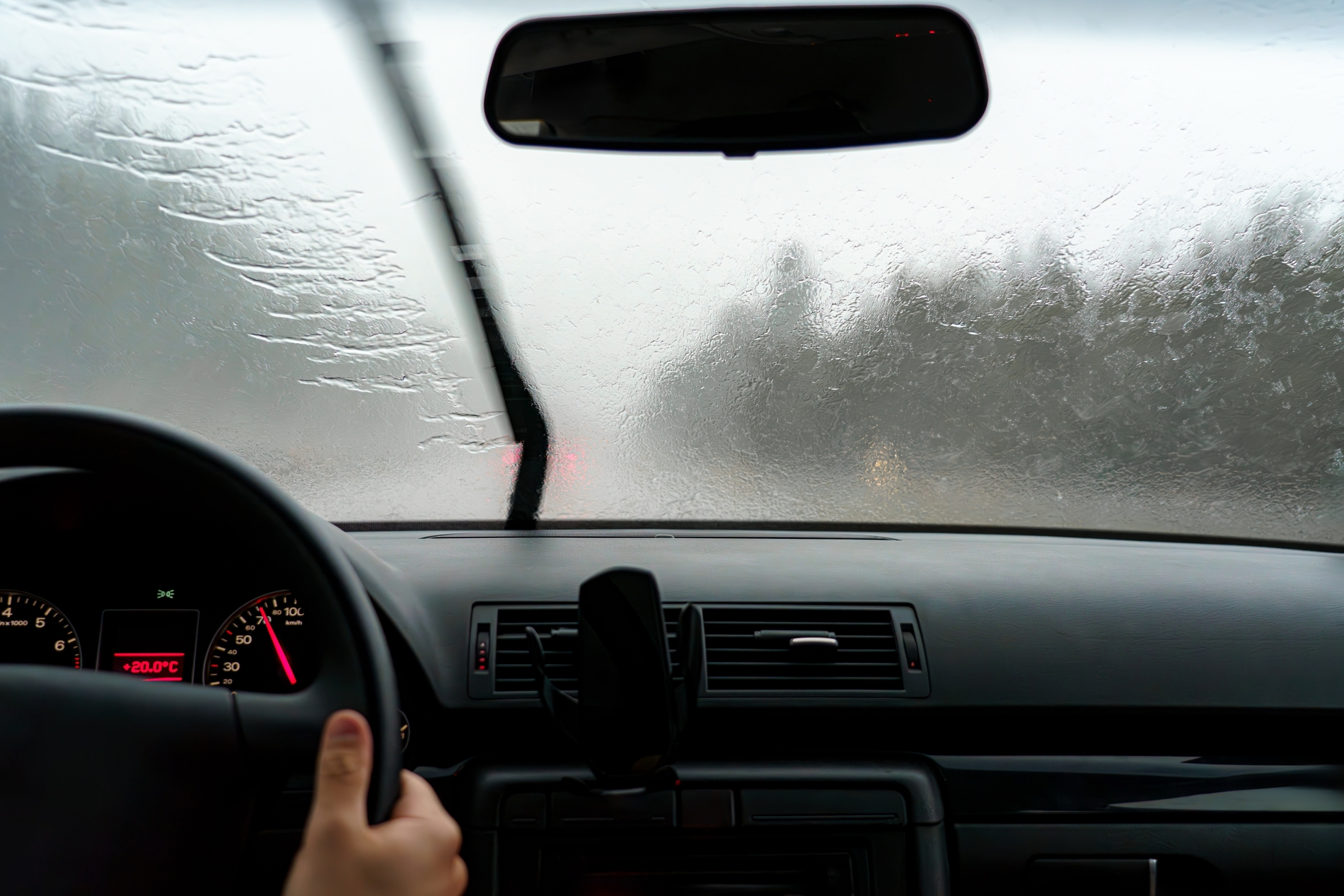
Rain causes more traffic accidents each year than snow, sleet, and fog combined.
Heavy rain is one of the most common weather conditions drivers face, and one of the most dangerous ones too. Water on the road reduces tire grip and increases the time and distance it takes your car to stop. However, following a few consistent habits can reduce most of that danger.
This guide covers what to check before you drive in the rain, how to adjust your driving style on wet roads, and what to do if your car slips or loses control.
Prepare Your Car Before the Rain Starts
Check these things regularly, not just when a storm is forecast.
1. Tires
Tread grooves push water out from under your tires, allowing the rubber to grip the road. As the tread wears down, the channel narrows, increasing the risk of skidding. The legal minimum tread depth in the United States is 2/32 of an inch, but grip on wet roads drops noticeably once tread depth falls below 4/32 of an inch.
You can check this at home with a coin. Insert a penny into a tread groove with Lincoln’s head pointing down. If you can see the top of his head, the tire is at or below the legal limit and needs to be replaced right away.
For an earlier warning, use a quarter instead. If the tread does not reach Washington’s head, your tires are already below the 4/32 mark, where wet performance starts to fade.
2. Wipers
Streaking, skipping, or squeaking wiper blades mean it is time for new ones. Worn blades smudge the glass, and that smudge gets worse the harder it rains, exactly when you need a clear view. Eventually, you will find it hard to see clearly through the windshield.
3. Headlights and taillights
Check your headlights and taillights before it starts raining. Make sure all four are working so you can see clearly and other drivers can see you.
4. Brakes
Rain increases stopping distance because the tires have less grip when water gets between them and the road. Worn brake pads make that distance even longer. If the brakes feel soft, make squealing noises, or pull the car to one side, have them checked before you need to brake suddenly in traffic.
Slow Down and Increase Following Distance
Your speed and following distance matter most when driving in the rain. Leave at least a 3-second gap behind the car in front on dry roads. In heavy rain, increase that to 5 or 6 seconds to give yourself more time to stop safely.
Slow down as the rain gets heavier, especially if you can’t see well or water is collecting on the road. Even if you’re driving below the speed limit, it can still be too fast for wet conditions.
Drive smoothly. Brake, steer, and accelerate gently. Sudden movements can cause your tires to lose grip and the car to skid.
Use Headlights, Not High Beams
Turn the headlights on whenever rain is heavy enough to reduce visibility, even at midday. This helps you see the road and helps other drivers see you. Keep the headlights on low beam. High beams reflect off falling rain and bounce back into your eyes, worsening visibility rather than improving it. Only use high beams for dry, dark roads with no oncoming traffic.
Keep the Windshield Clear
A foggy windshield can be just as dangerous as the rain. It happens when warm, moist air inside the car meets the cooler glass.
To clear it quickly, turn on the defroster, switch off recirculation, and turn on the air conditioner. The AC removes moisture from the air, even if you’re using warm air. You can also open a window slightly to help clear the fog faster. Keeping your windshield clean also reduces fog buildup.
Understand Hydroplaning and How to Avoid It
Hydroplaning happens when water builds up faster than your tires can push it away. Instead of gripping the road, they ride on top of the water, and steering, braking, and accelerating no longer work as they normally do.
The risk is even higher if you’re driving too fast, your tires are worn, or you make sudden turns or brake hard. Avoid standing water whenever possible. Stay near the center of your lane and follow the tire tracks of the vehicle ahead, where there’s usually less water.
Be extra careful during the first 10 minutes of rain. Oil and dirt on the road mix with the water, making the surface much more slippery.
What to Do If You Start to Hydroplane
If the steering wheel suddenly feels light, or the back of the car drifts, stay calm and take your foot off the accelerator. Do not brake. Hard braking can lock the wheels, worsening the skid. Keep the steering wheel pointed in the direction you want the car to go, and avoid sharp or sudden movements.
As the car slows, the tires will regain contact with the road and steering will feel normal again. Once that grip returns, you can brake gently if you still need to slow down.
Never Drive Into Flooded Roads
Standing water mainly reduces tire grip, but moving water is much more dangerous. It takes only about 12 inches of flowing water to carry away most passenger cars, and about 24 inches to carry away trucks and SUVs.
Water also hides what is beneath it, including a missing section of pavement, a deep pothole, or debris. If you come across a flooded road or see barriers blocking it, don’t drive through. Turn around and take a different route.
Turn Off Cruise Control
Switch cruise control off any time the road is wet. If your tires hydroplane while cruise control is engaged, the system can sense the drop in resistance and try to speed up to hold your set speed, which is the opposite of what you want at that moment.
Know When to Pull Over
If the rain becomes so heavy that you can’t see the road or the car ahead, it’s safest to pull over and wait. If hail starts falling, stop driving as well.
Park in a safe place, such as a parking lot or rest area, instead of stopping on the side of the road. Turn on your hazard lights so other drivers can see you. Waiting 10 to 15 minutes for the weather to improve is much safer than driving with little or no visibility.
Quick Checklist Before You Drive in Heavy Rain
- Tires have at least 4/32 of an inch of tread
- Wipers are in good shape, with no streaking or skipping
- All lights work, and headlights are set to low beam
- Following distance is at least five to six seconds
- Cruise control is off
- The defroster and AC are ready to clear the fog
- You know your route and can avoid areas prone to flooding
Driving in heavy rain does not have to be dangerous, as long as you respect how water affects traction and visibility. Slow down, leave space, keep your car maintained, and treat any flooded road as a reason to turn around.