How to Choose the Right Fuel Grade for Your Vehicle
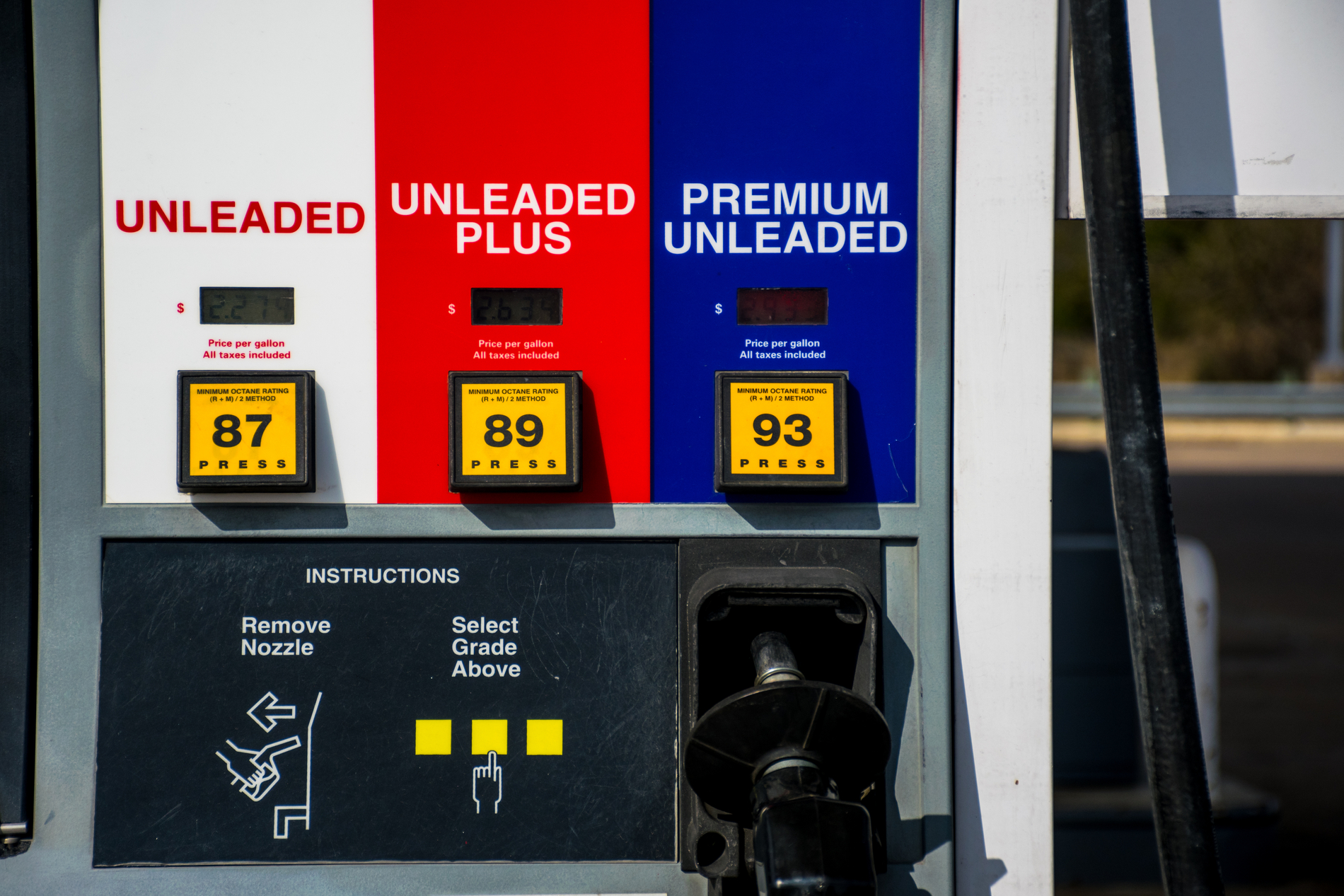
Using the wrong fuel grade is one of the most common mistakes car owners make at the gas station.
Before you read, check your owner’s manual. Use whatever octane grade it specifies. That’s it. Everything below explains why this matters and what to do in every scenario beyond the basics.
Step 1: Understand What Octane Is
Here is where most people get it wrong.
Octane is not a measure of fuel quality. It is not a measure of how much power the fuel produces. A gallon of 87 octane and a gallon of 93 octane contain almost the same amount of energy.
Octane is a measure of how resistant the fuel is to premature ignition in the cylinder.
When your engine compresses the air-fuel mixture, it becomes very hot and pressurized. In some engines, especially high-compression or turbocharged ones, the mixture can ignite from that heat and pressure before the spark plug even fires. It is called premature ignition, also known as “engine knock” or “pinging,” and it creates a metallic rattling or tapping sound. If left unchecked, it damages pistons, valves, and cylinder walls over time.
Higher-octane fuel resists premature ignition better. That is the one and only thing the octane number tells you.
So no, buying 93 octane for a car that runs fine on 87 will not give you more power or better mileage. You are just spending more money for no return.
Step 2: Check Your Owner’s Manual
This is the single most reliable source for the right fuel grade. Every manufacturer specifies the minimum octane their engine needs, and it is written in plain language, usually in a section titled “Fuel” or “Gasoline.”
The manual will say something like one of these:
- “87 octane or higher” (regular unleaded is fine)
- “91 octane minimum” or “premium fuel required”
- “Premium fuel recommended”
Each of those phrases means something very different, and we will break down what they mean in Step 4.
Note: If you no longer have a physical copy of the owner’s manual, search the manufacturer’s website for your vehicle’s year, make, and model. Most brands offer a free digital download of the owner’s manual.
Step 3: Check the Fuel Door Label
This is the fastest check you can do without opening a manual. Open your car’s fuel filler door and look inside the flap or on the gas cap. Most vehicles have a small label placed there by the manufacturer that tells you the minimum octane requirement.
It will typically read one of the following:
- “87 Octane Minimum”
- “91 Octane Minimum” or “Premium Unleaded Only”
- “Flex Fuel / E85 Compatible”
Some fuel flaps simply have a small book icon, which is the manufacturer pointing you back to the owner’s manual. If you see that, open the manual.
Step 4: Decode “Required” vs “Recommended”
This is the part that confuses most people, and getting it wrong can cost you either money or engine health.
1. “Premium Required” or “91 Octane Minimum”
This means the engine requires high-octane fuel. It is mostly used in turbocharged or supercharged engines. Using regular 87 octane in this engine is risky. However, using it in an emergency will not destroy the engine, but doing it routinely can be troublesome.
2. “Premium Recommended”
This means the engine will run safely on regular 87 octane. The choice is yours. If you want peak performance and you drive a spirited vehicle, premium is worth it. If you are doing routine daily commuting, regular is fine.
3. “87 Octane” or “Regular Unleaded”
The engine was tuned specifically for regular fuel. Putting premium fuel in will not benefit the engine in any way. The car has no mechanism to take advantage of the higher octane. You will be simply wasting money.
Step 5: Match the Fuel Grade to Your Engine Type
If you want a simple cheat sheet based on engine type, here it is.
- Standard naturally aspirated engines (most everyday cars and trucks): Use regular 87 octane.
- Turbocharged or supercharged engines: These engines require or strongly benefit from premium fuel.
- High-compression naturally aspirated engines: Premium is usually required.
Extra Step: Rules for E85 and Flex-Fuel Vehicles
E85 is a fuel blend of up to 85% ethanol and 15% gasoline. It has a high octane rating and burns cleaner, but it also contains less energy per gallon than pure gasoline, which means you will fill up more often.
Only use E85 in a flex-fuel vehicle (FFV). Putting E85 in a standard gasoline engine can cause a lean fuel mixture, damage to fuel system components such as rubber seals and O-rings, and engine misfires.
How to know if your car is an FFV:
- A yellow fuel cap is the most common indicator.
- A yellow ring around the capless fuel filler opening on newer vehicles.
- A “FlexFuel,” “FFV,” or “E85” badge on the rear of the vehicle.
- A check inside the owner’s manual or on the fuel door label.
If your car is an FFV, you can use any blend from regular 87 all the way up to E85. The car’s sensors detect the ethanol content and automatically adjust fuel and timing.
Quick Reference: What to Use at a Glance
| Your Manual/Fuel Door Says | What to Put In | Can You Go Higher? |
| 87 Octane / Regular | Regular (87) | No benefit, just costs more |
| Premium Recommended | Regular (87) is safe; Premium (91+) for peak performance | Yes, and you will notice it |
| Premium Required / 91 Minimum | Premium (91 or higher) only | Stay at 91+ |
| E85 / Flex Fuel | Regular 87 through E85, your choice | Yes, up to E85 |
| Diesel | Diesel only | Never use gasoline |