How to Read Road Markings and What Each Line Means
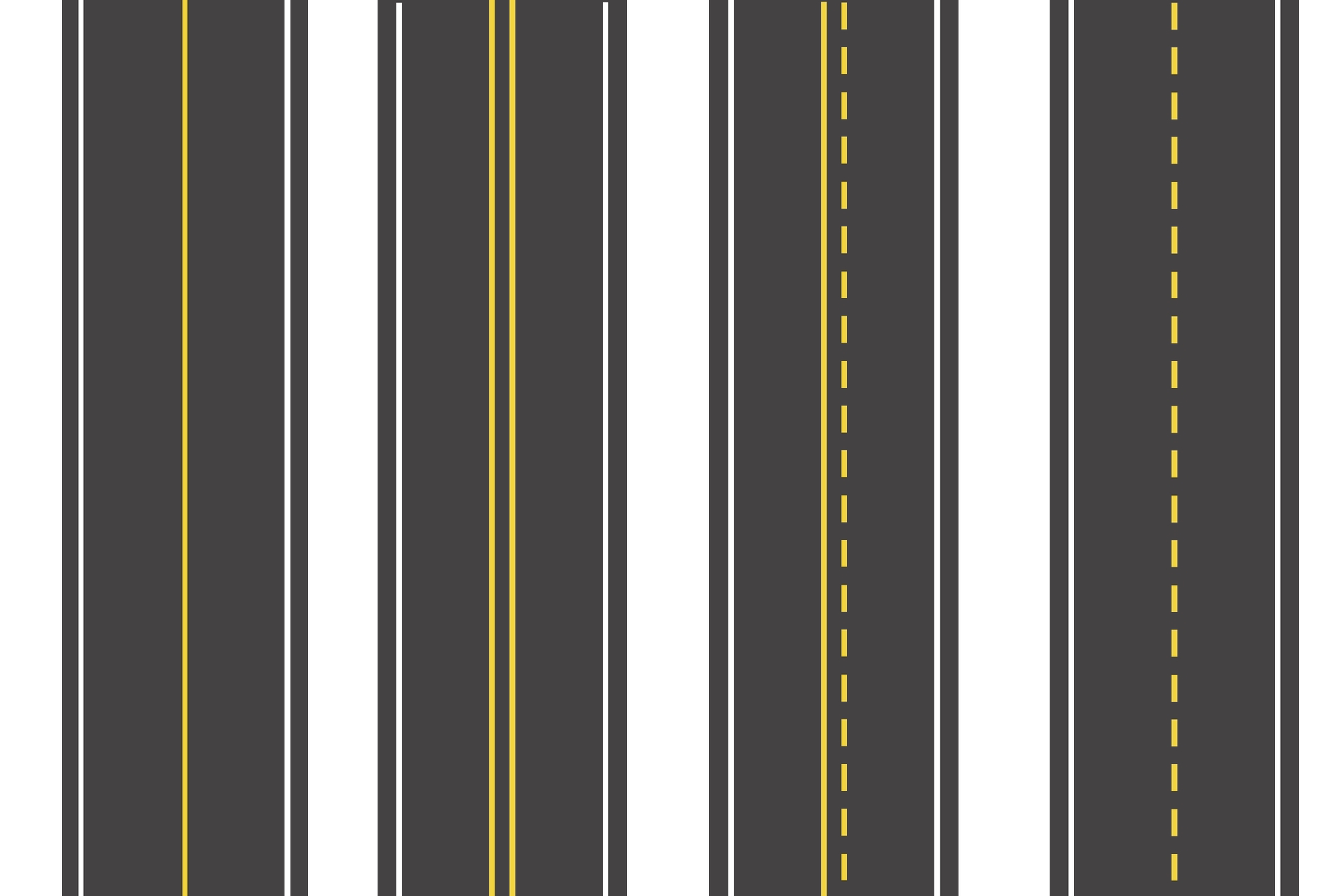
Road markings tell you how to drive, when you can change lanes, and when overtaking is unsafe.
Understanding road markings helps you follow traffic rules, avoid dangerous maneuvers, and drive better. This guide explains the most common road markings, what they mean, and how to respond to them while driving.
What Yellow Road Lines Mean
Yellow lines separate vehicles traveling in opposite directions on two-way roads. They help drivers identify the road center and understand when overtaking is permitted.
1. Broken yellow center line
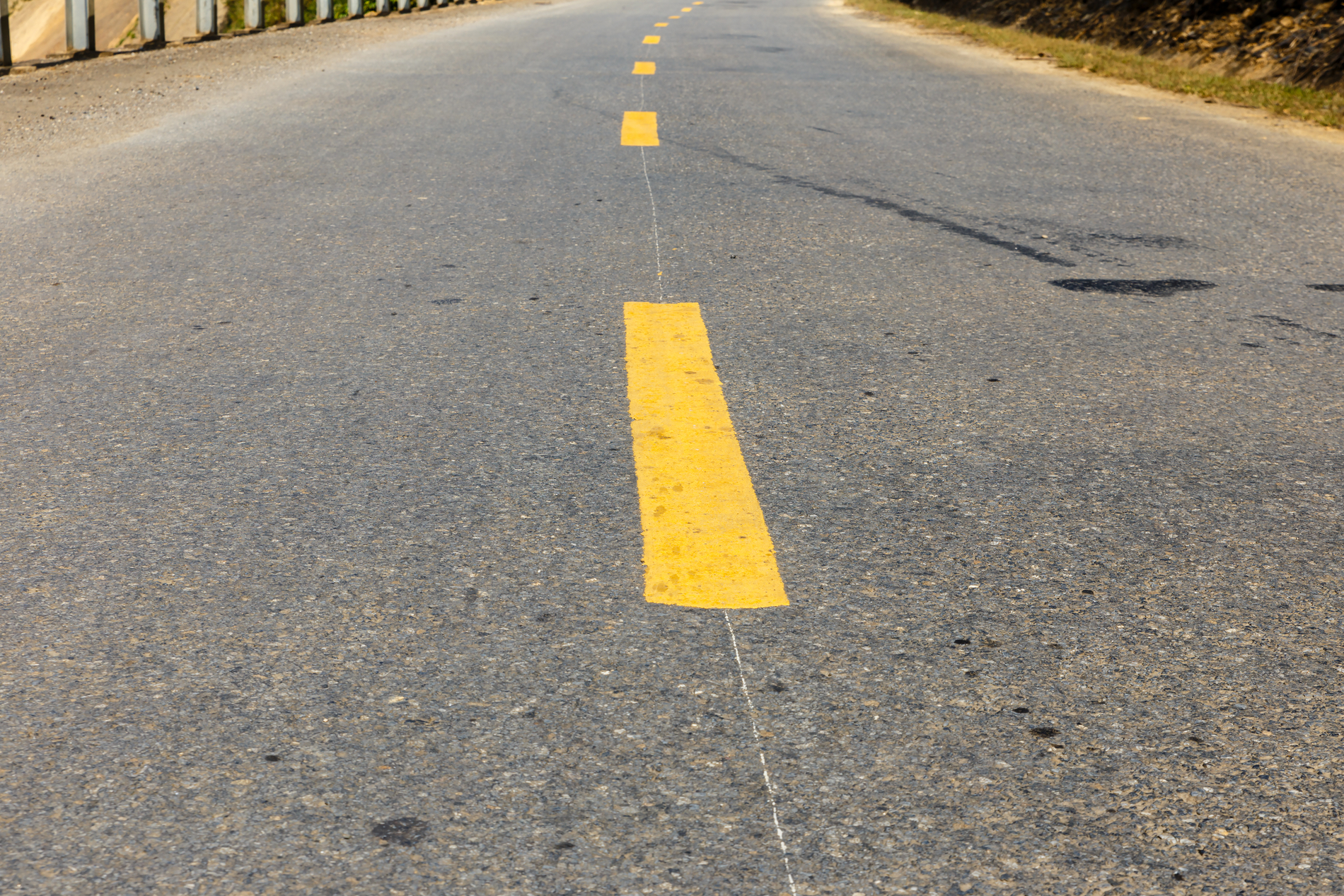
A broken yellow line consists of yellow segments separated by gaps. On a two-way road, it generally means drivers in either direction may cross the center line to overtake when the maneuver is safe.
Before passing the next vehicle, check for oncoming traffic, adequate visibility, sufficient passing distance, and signs that prohibit overtaking. A broken line does not guarantee that passing is safe.
2. One solid yellow line and one broken yellow line
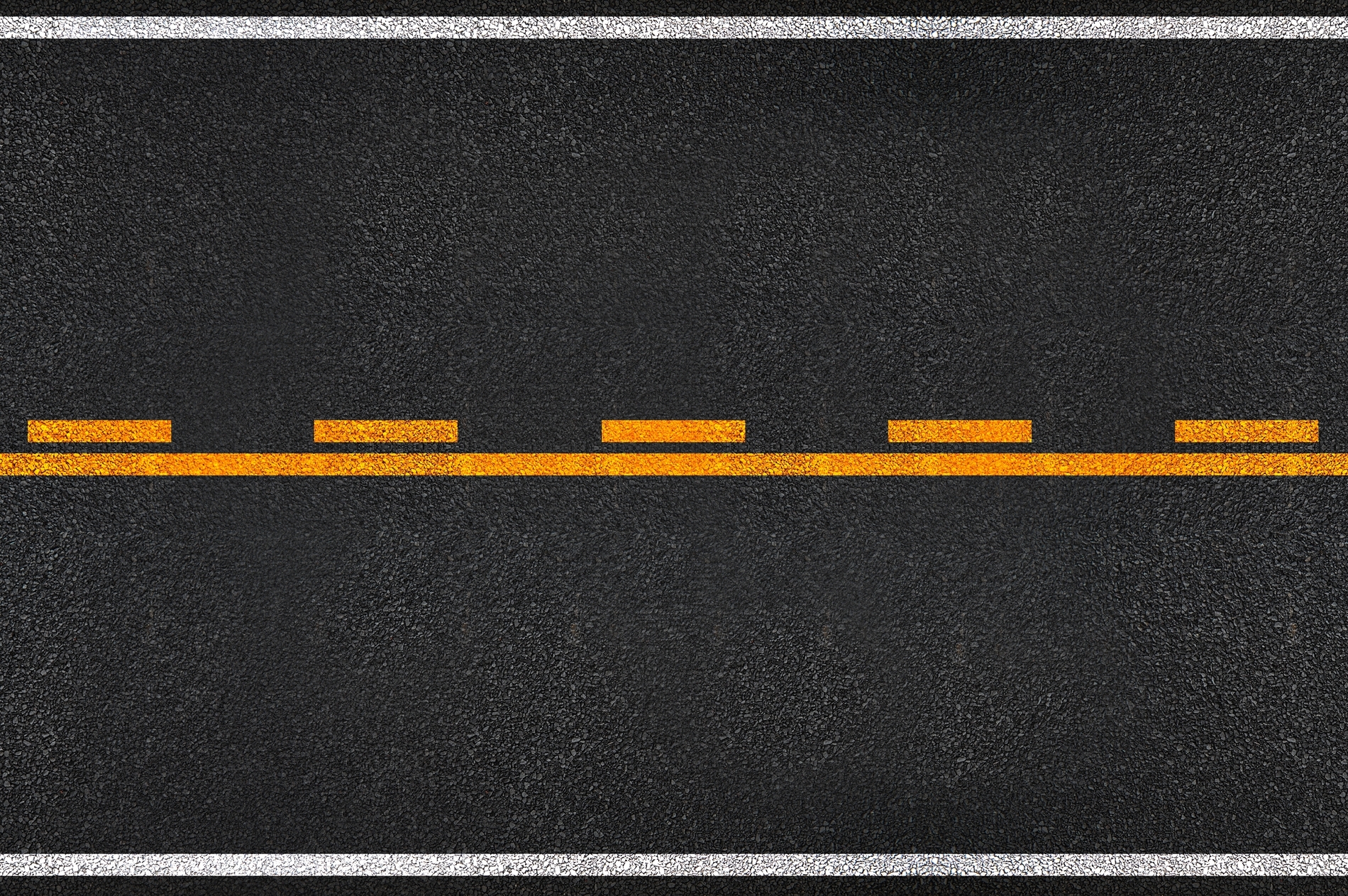
This center-line marking indicates different passing rules for traffic traveling in opposite directions.
- Solid line on your side: You must not cross the center line to pass.
- Broken line on your side: You may cross to pass when it is safe.
The distinction matters because a road may allow passing in one direction while prohibiting it in the other. These markings are commonly used where visibility or road conditions make passing unsafe in one direction.
3. Double solid yellow lines
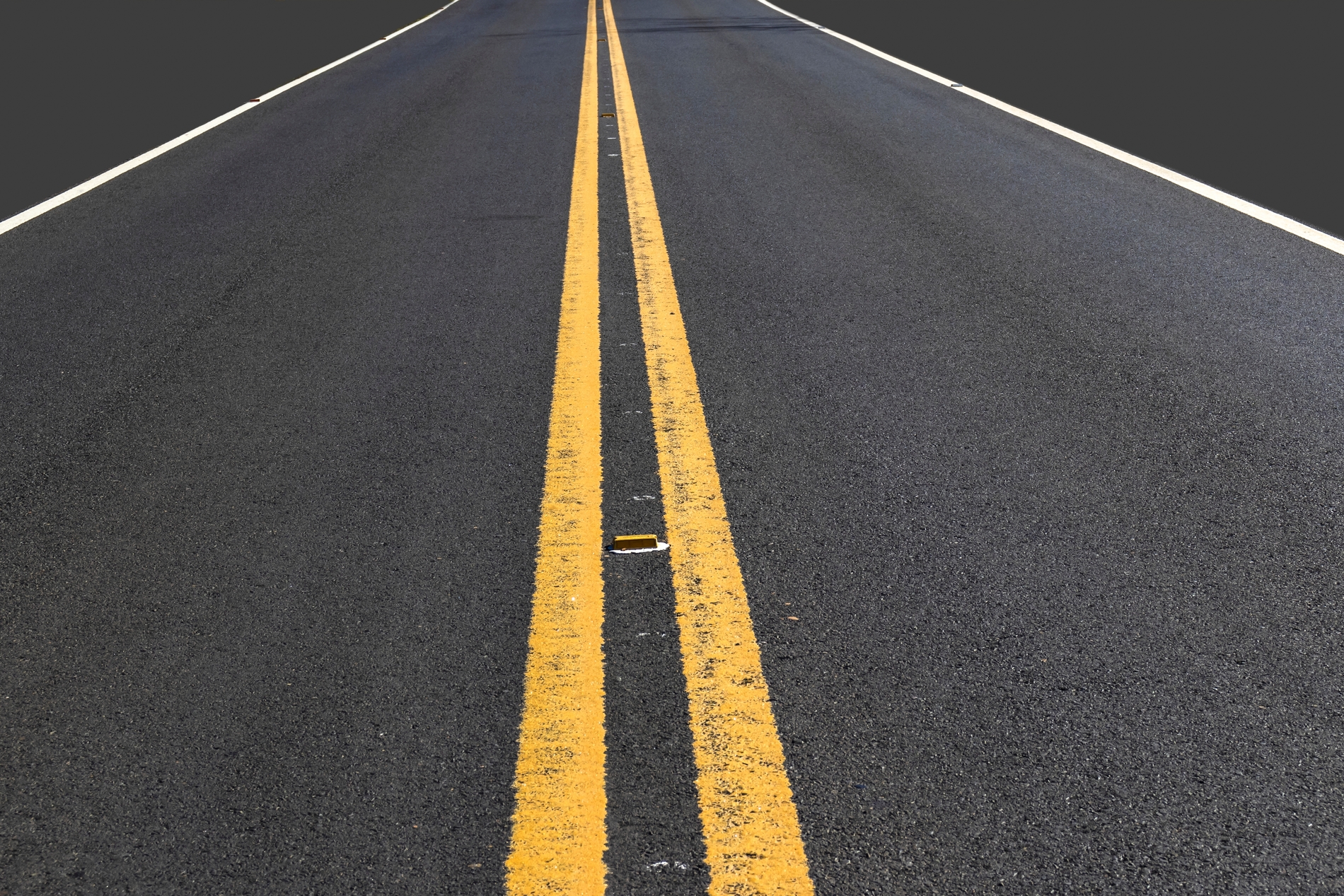
Two solid yellow lines prohibit passing across the center line in either direction. You will see them on two-way roads where passing would be unsafe or where traffic needs a clear separation between opposing directions.
Do not cross these lines to overtake another vehicle. However, some states allow you to cross a single pair of double yellow lines for a legal left turn into a driveway or side road. Turn and U-turn rules depend on state law and posted restrictions.
Two sets of double yellow lines separated by a wide space can mark a barrier or median area. Do not drive on such an area unless a designated opening and applicable rules permit the movement.
4. Yellow lines around a two-way left-turn lane
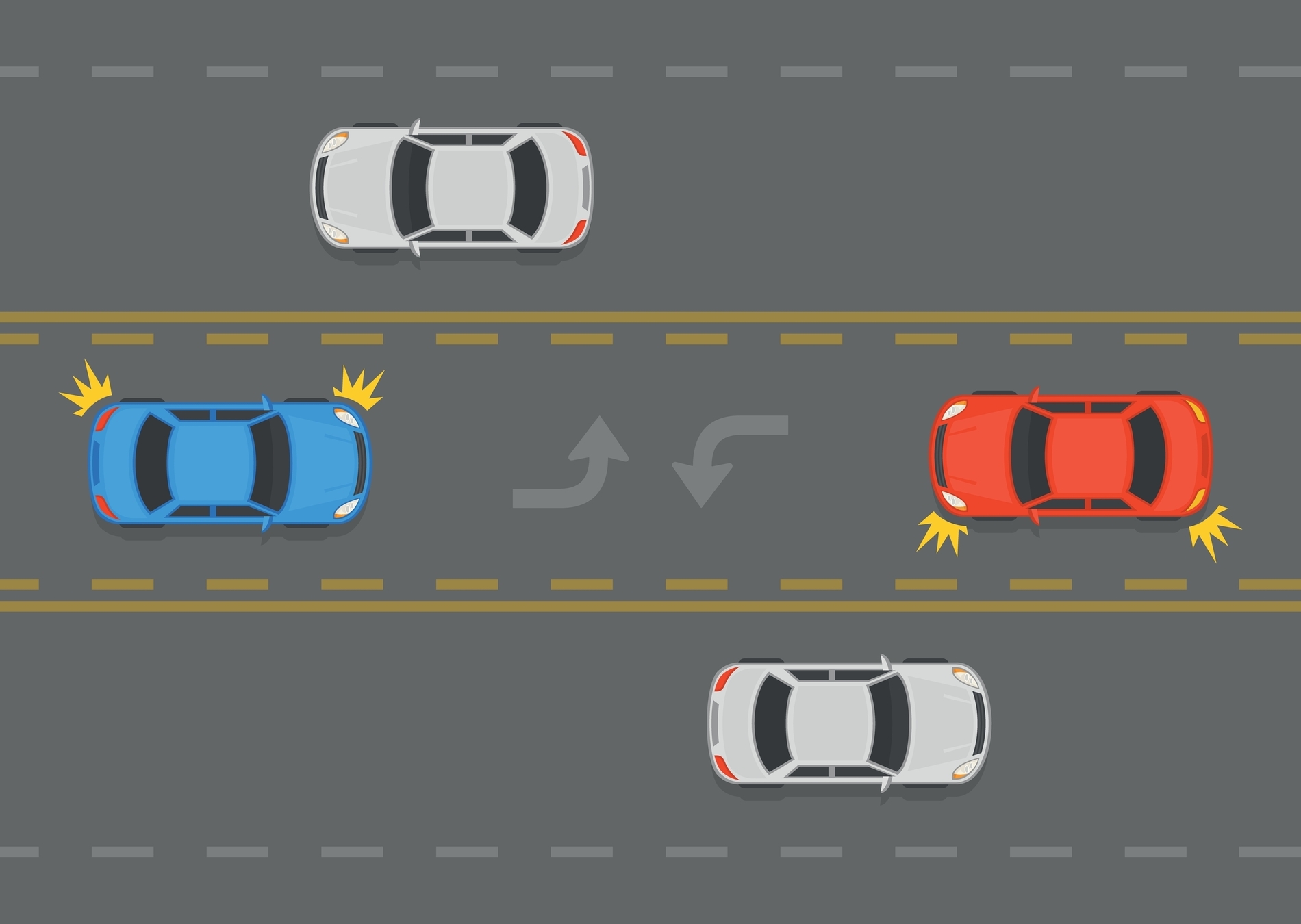
Some roads have a center lane that allows vehicles traveling in either direction to prepare for left turns.
This lane is commonly bounded by yellow markings consisting of a broken line on the side next to the turn lane and a solid line on the side next to regular traffic.
Use this lane to prepare for a permitted left turn. It is not a regular travel lane or a passing lane. Check for oncoming vehicles that may also be entering the lane before turning.
5. Double broken yellow lines
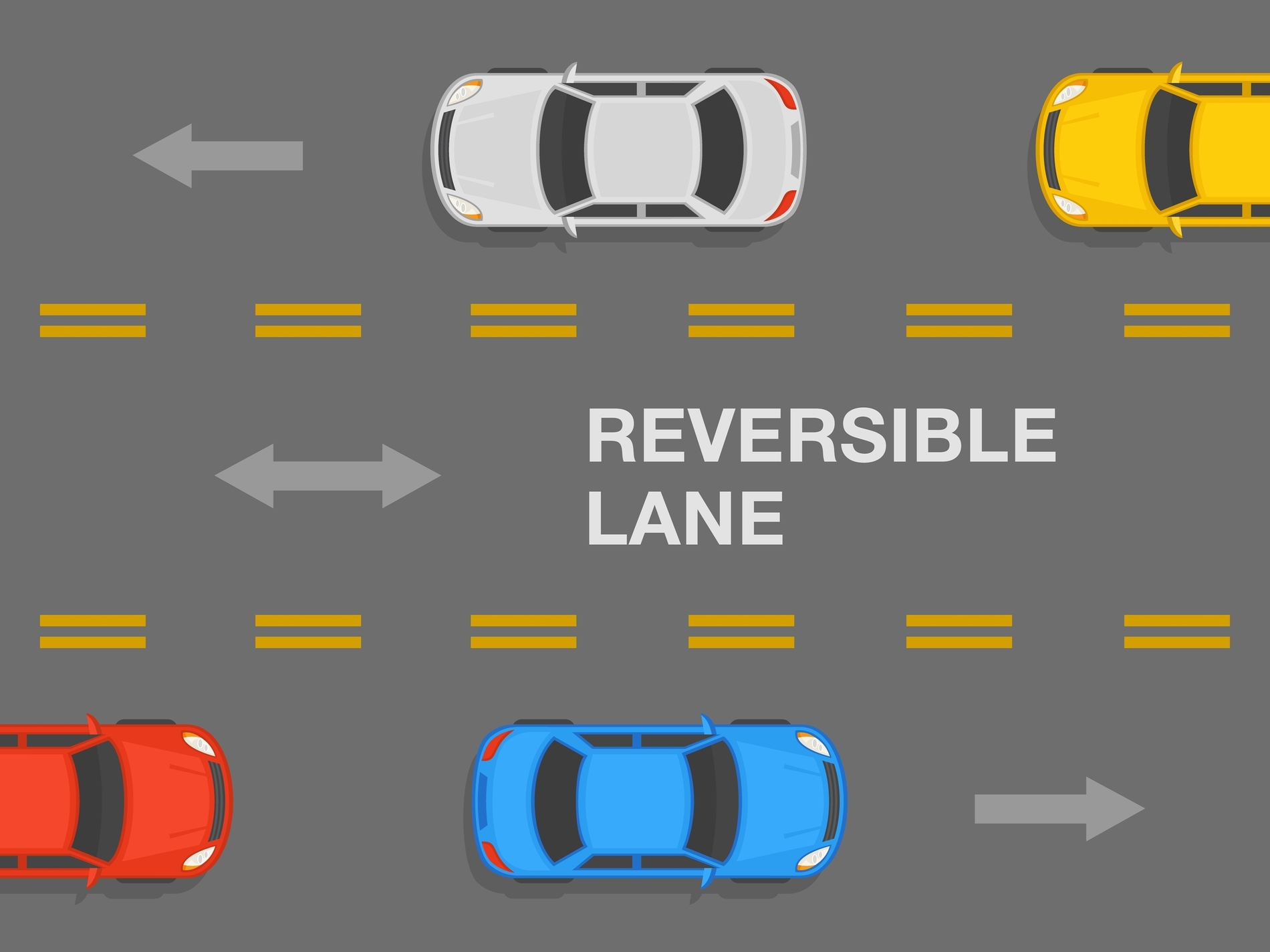
Double broken yellow lines can mark the boundaries of a reversible lane, where the permitted direction of travel changes at certain times.
These lanes often manage traffic during busy commuting periods. Signs and overhead lane-control signals indicate the permitted direction.
Never enter a reversible lane unless its signs and signals clearly authorize travel in your direction.
What White Road Lines Mean
White lines generally separate traffic moving in the same direction. They also mark roadway edges, lane boundaries, and other areas where drivers need clear guidance.
1. Broken white lane lines
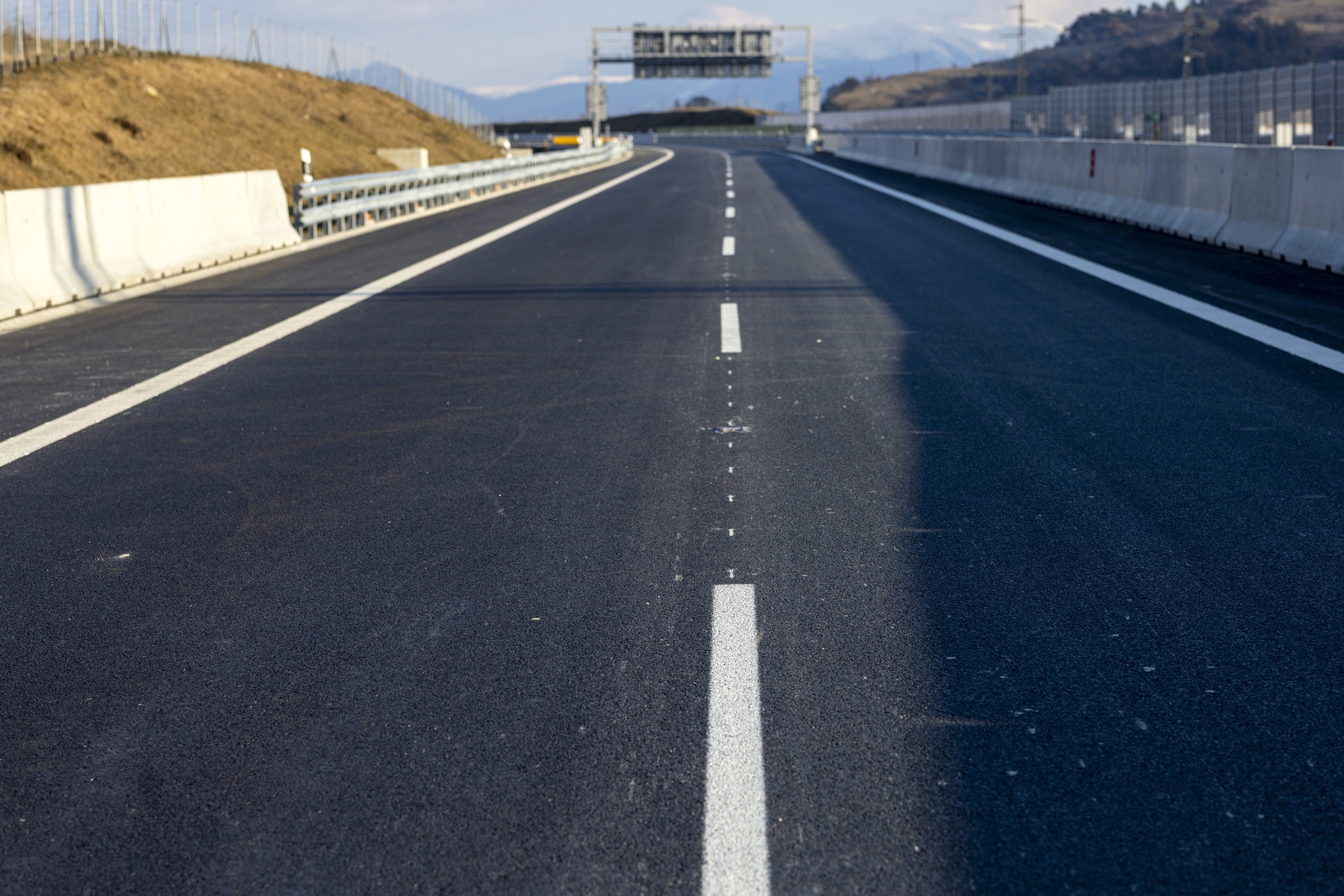
Broken white lines separate lanes moving in the same direction. They are common on highways, freeways, and multi-lane city roads.
You can change lanes across a broken white line when it is safe. Before moving, use indicators, check your mirrors, check your blind spots, and make sure there is enough space.
Don’t change lanes just because the line is broken. Check for nearby vehicles, exits, merging traffic, and other restrictions.
2. Solid white lane lines
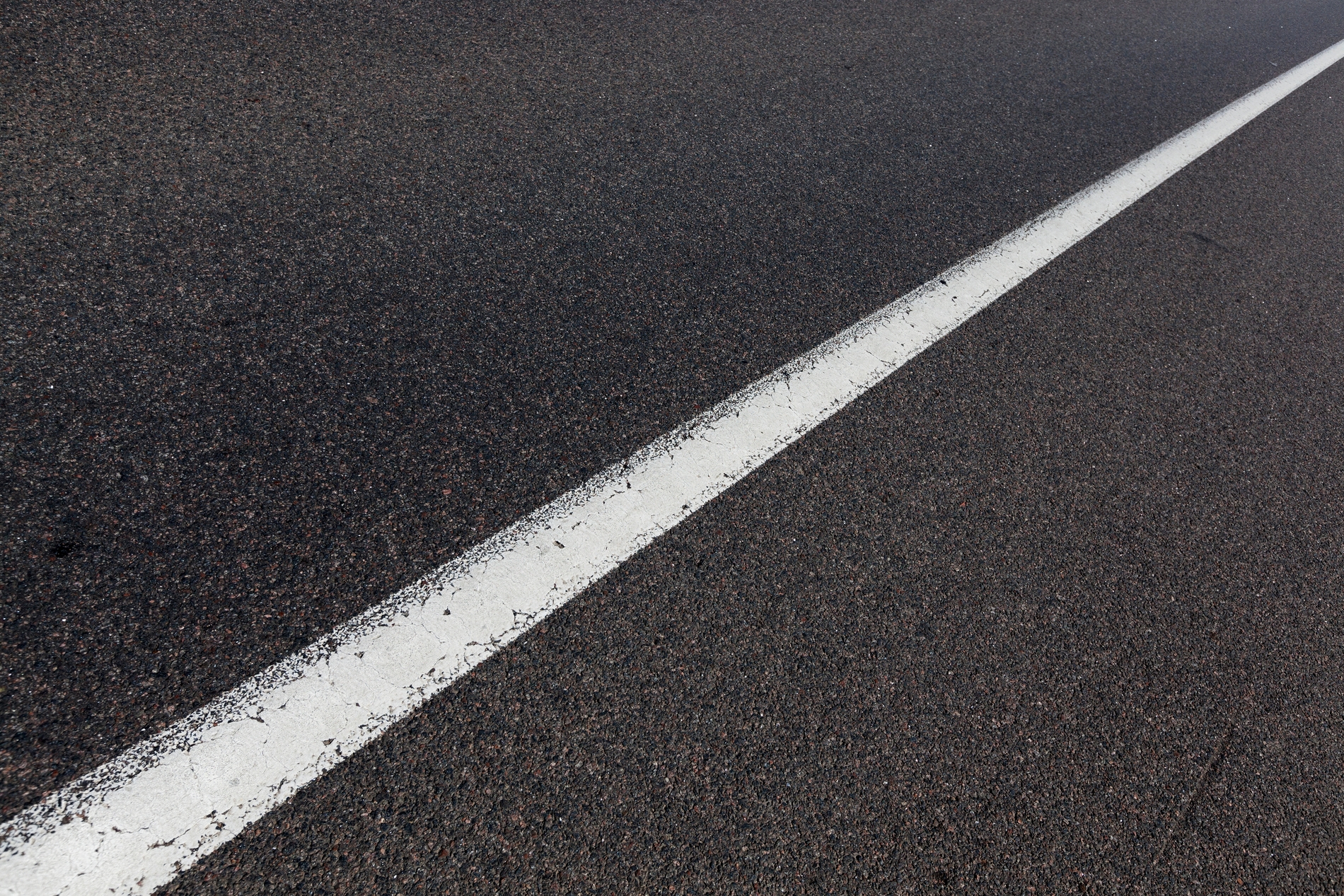
A solid white line separates traffic lanes moving in the same direction when changing lanes is discouraged.
You may see these lines near intersections, turn-only lanes, freeway exits, and other locations where a lane change could create a conflict.
A single solid white line does not mean the same thing in every situation. Follow the signs, arrows, and local rules, and avoid crossing it when doing so would create a conflict or violate a restriction.
3. Double solid white lines
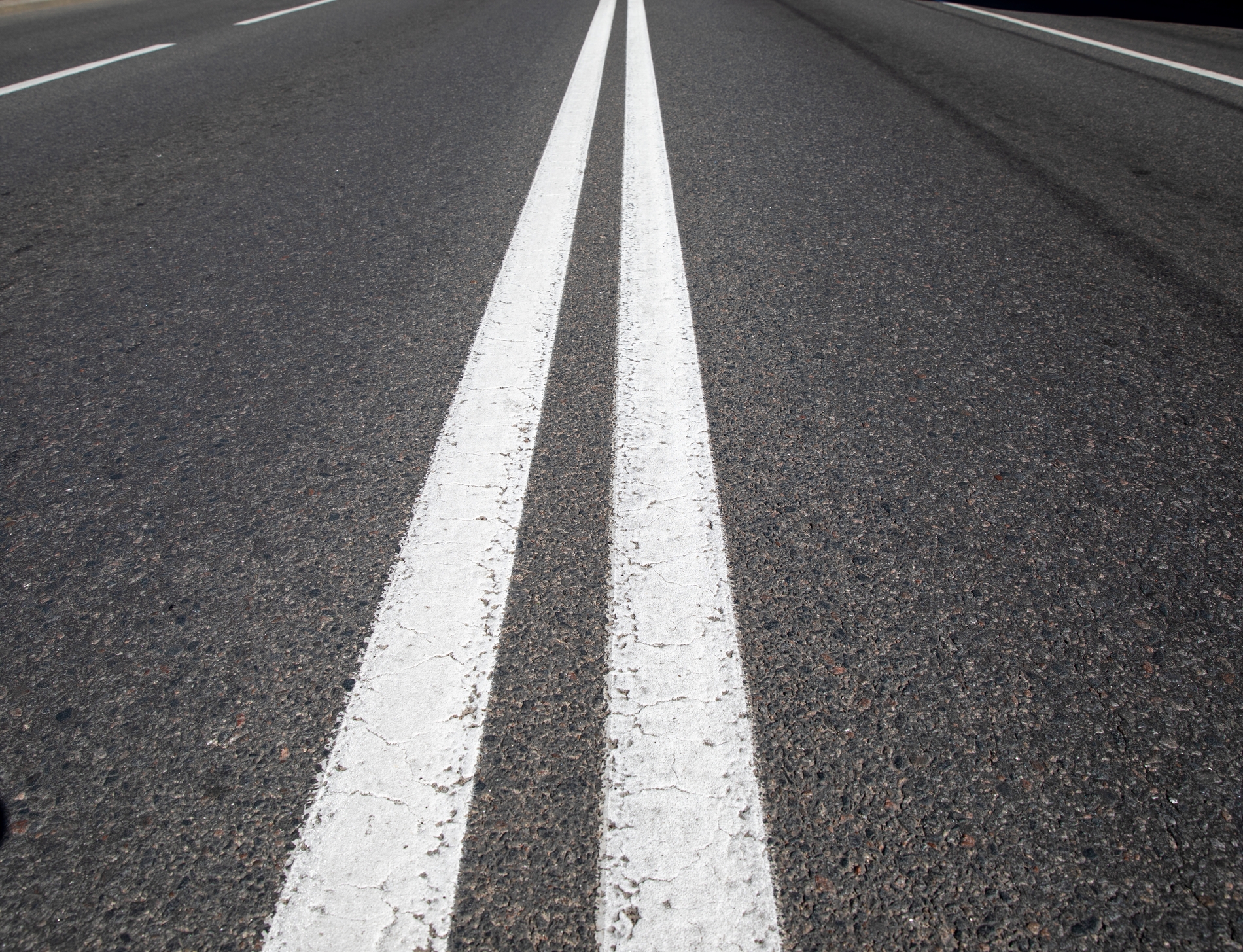
Double solid white lines indicate a stronger restriction than a single solid white line. They separate a regular traffic lane from a restricted or preferential lane, such as a high-occupancy vehicle lane.
Do not cross double solid white lines to change lanes. Wait until the markings permit a lane change, and confirm you can enter the other lane.
These markings can also appear near freeway ramps and other locations where crossing between lanes is prohibited.
4. Dotted white lane lines

Dotted white lines have shorter segments and gaps than ordinary broken lines. They can guide drivers through intersections, freeway exits, merging areas, and lane transitions.
On a highway, a dotted line may indicate that a lane is approaching an exit or that the lane arrangement is changing.
Watch for directional signs and pavement arrows. Do not assume that every dotted line indicates the same type of lane change.
5. Solid white edge lines
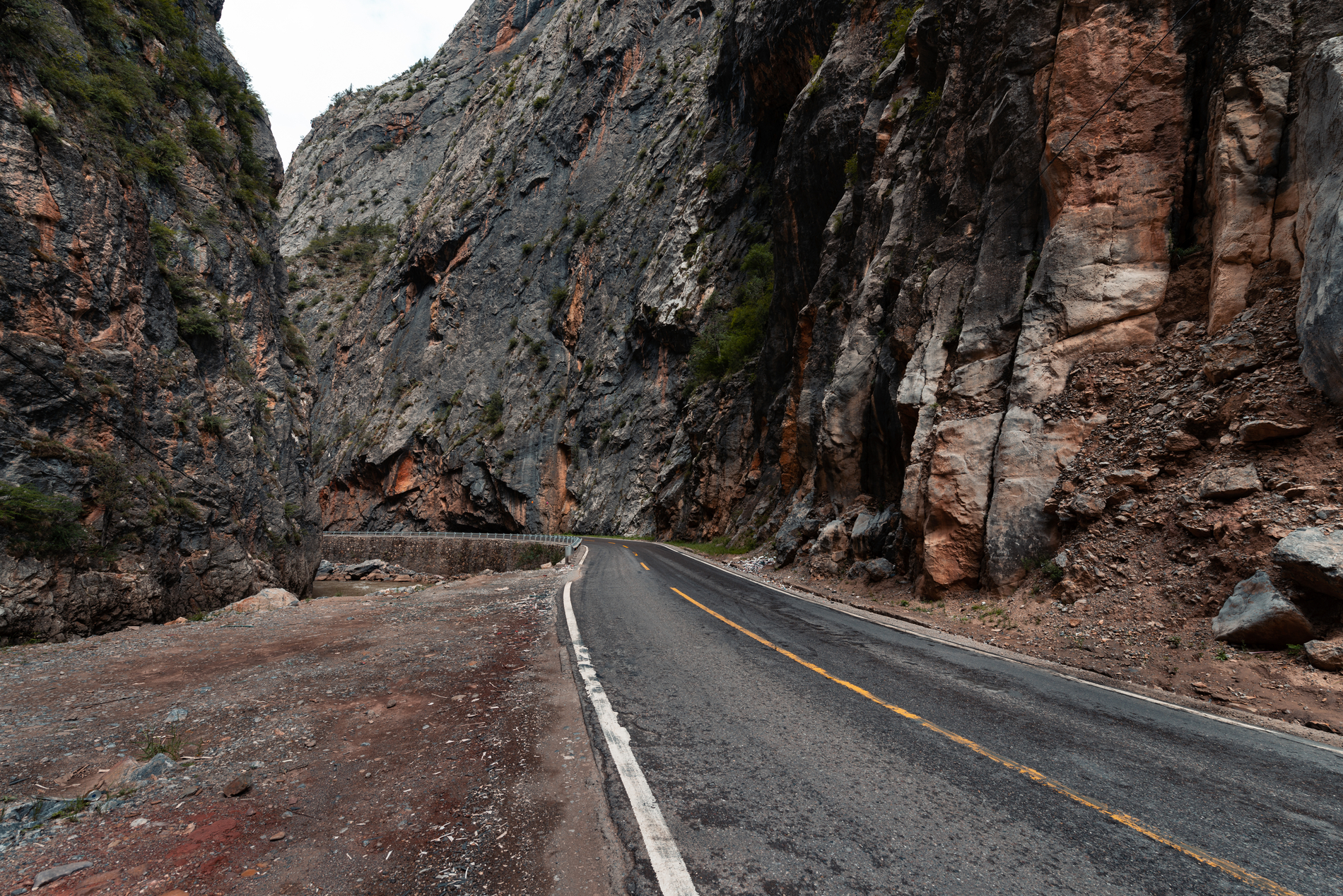
A solid white edge line marks the roadway’s right edge in most applications. It helps drivers distinguish the main travel lane from the shoulder.
Edge lines are especially useful at night, in rain, and on poorly lit roads.
Avoid drifting across the edge line. A shoulder is not automatically a regular driving lane, and its permitted uses depend on the road and applicable laws.
6. Yellow edge lines
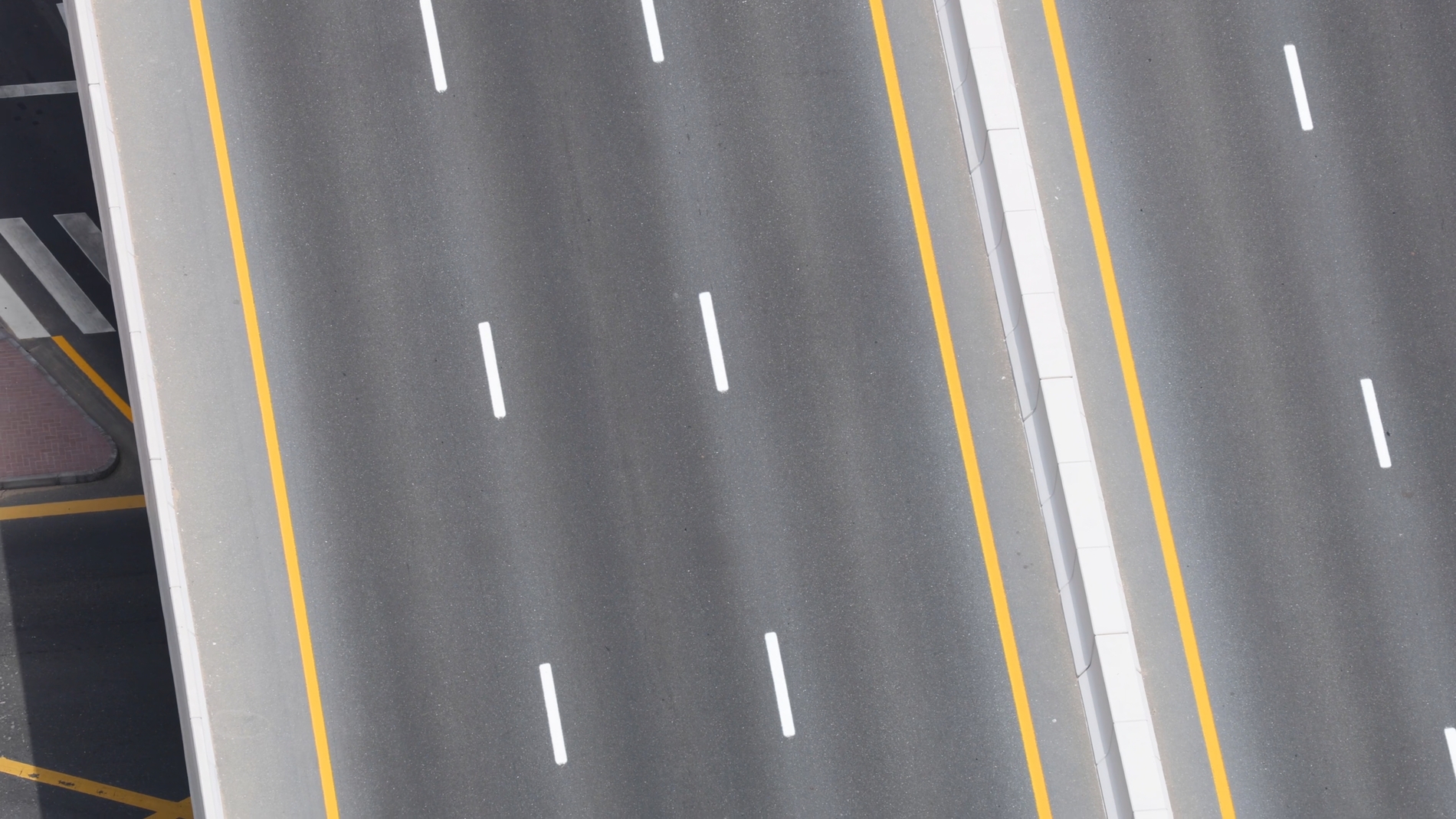
A solid yellow line can mark the left edge of a divided highway or one-way roadway. It helps identify the roadway boundary on the left side.
This is different from a yellow center line separating opposing traffic on a two-way road. Look at the road layout and the direction of traffic to understand its purpose.
Conclusion
Understanding road markings helps you choose the correct lane, recognize passing restrictions, approach intersections safely, and share the road with cyclists and pedestrians.
Remember the main principles: yellow lines generally separate opposing traffic, white lines commonly separate traffic moving in the same direction, and the line pattern helps indicate whether crossing is permitted or restricted. Pay attention to arrows, stop lines, yield lines, special-lane markings, and signs as well.
When a marking is unclear, avoid sudden maneuvers and follow the applicable traffic controls. Safe driving depends on interpreting road markings correctly and responding to the conditions around you.